Available Packages
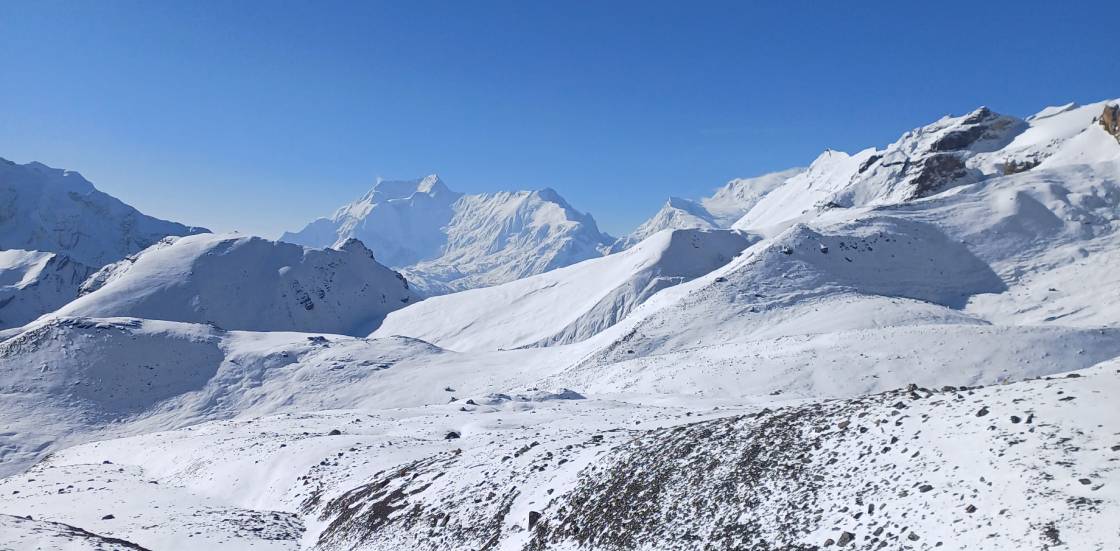
The majority of people‘s thoughts instantly switch to the legendary Everest Base Camp or the fabled Annapurna Circuit when they think of trekking in Nepal. These paths are deservedly famous, luring trekkers from worldwide with their eye–popping landscapes and well-worn trails. But beyond these popular routes lies another kind of adventure—one wilder, quieter, and deeply immersive. Restricted area treks take you into the realms where time remains frozen, where age-old cultures continue uninterrupted, and where the experience is deeply personal. These are not just treks; they are journeys into the heart of pristine Himalayan beauty.
So what exactly makes an area “restricted“? Not only are they remote, but they are also protected for cultural, environmental, and political reasons. To preserve their delicate ecosystems and rich heritage, the Nepalese government has enforced special regulations for trekking here. You can‘t just show up with a backpack. A special Restricted Area Permit (RAP) is required, and you‘ll need to go through a registered trekking agency. There’s a minimum of two trekkers, and you‘ll need to be led by a licensed guide. While these precautions might seem like they’re getting in the way, they‘re there to help keep tourism sustainable—and to ensure that what you‘re doing is truly off the beaten track.
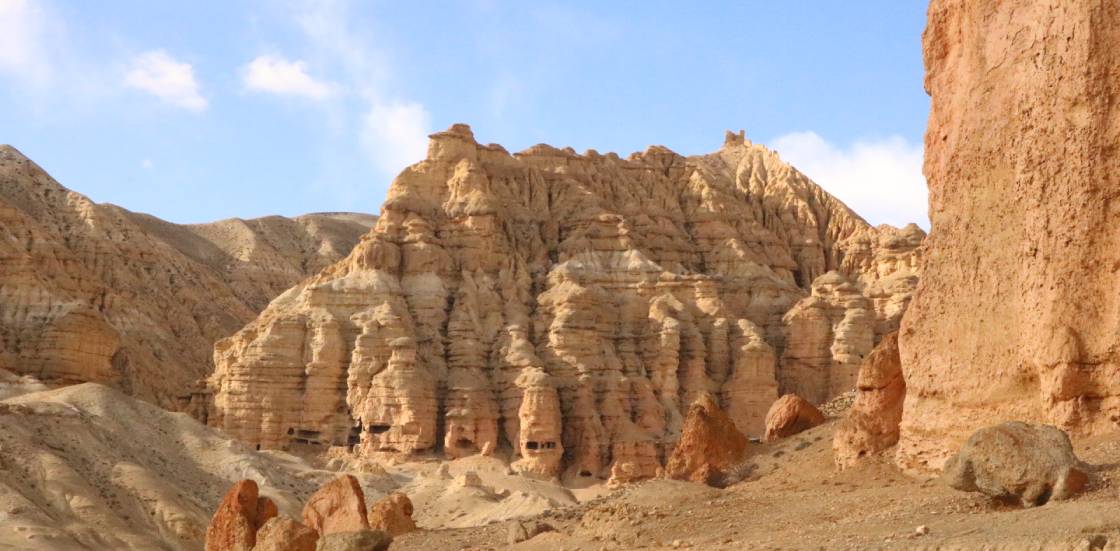
Restricted area Upper Mustang is probably the most talked about. Nicknamed the “Last Forbidden Kingdom,” the area has the ambiance of a living Tibet. Trekking in Mustang means walking through barren desert landscapes, ancient cliff-carved cave settlements, and centuries-old monasteries that still hum with spiritual energy. The walk to Lo Manthang, the former capital, is a surreal one—mud-brick homes, colorful prayer flags, and silence that speaks volumes.
Then there‘s Upper Dolpo, one of the most isolated and unspoiled regions or another restricted area in Nepal. Made famous by Peter Matthiessen‘s book The Snow Leopard, this is a place that remains well disconnected from the rest of the world. Trekking here is an undertaking, both physical and mental. But those who make the effort are rewarded with electrifying blue alpine lakes such as Phoksundo, centuries-old Bon and Buddhist monasteries, and the deep tranquility of unspoiled wilderness.
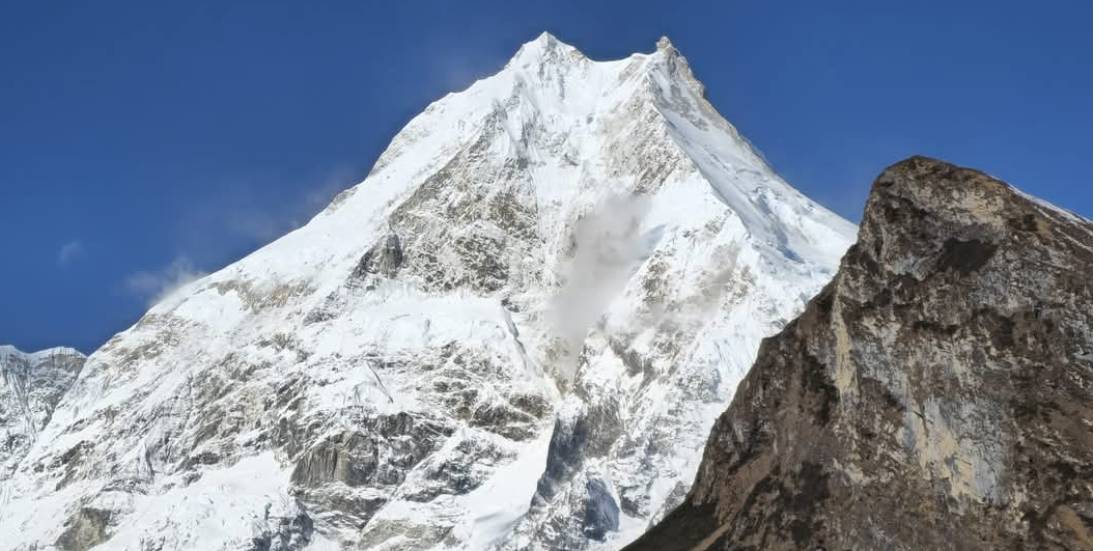
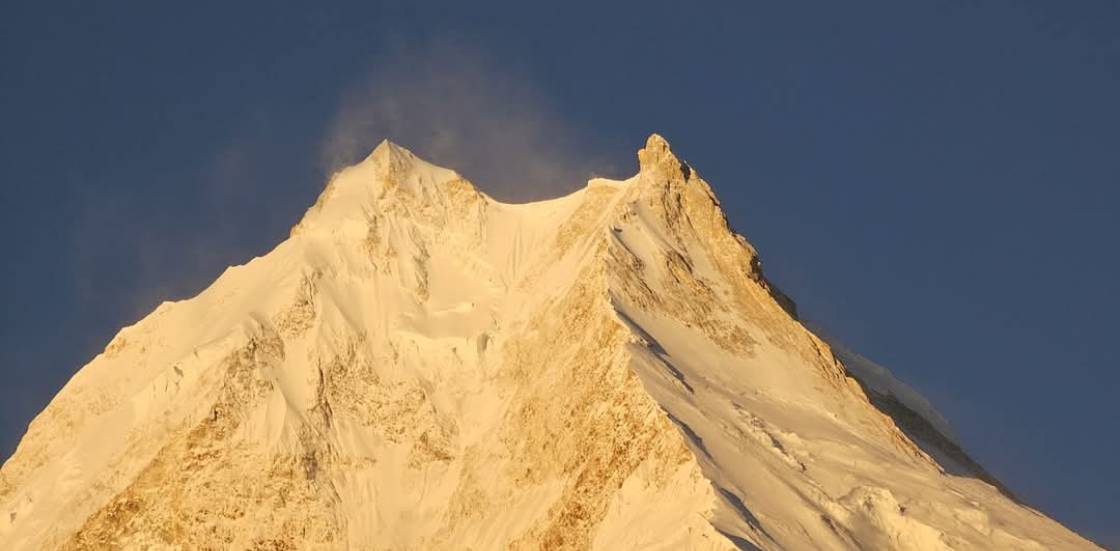
For trekkers looking for a combination of unspoiled nature and cultural wealth, the Manaslu Circuit is an excellent choice. Surrounding Mount Manaslu, the world’s eighth-highest peak, the trail snakes through untouched forests, breathtaking mountain passes, and villages where Tibetan culture is strongly prevalent. Hidden valleys like Nubri and Tsum offer insights into traditional life and are even less crowded than the main Manaslu trail.
One other treasure is the Nar Phu Valley, tucked away between the Annapurna and Manaslu regions. This valley remains one of Nepal‘s secrets. Trekking through Nar and Phu is a stepping back in time—stone-carved villages, yak trains, and mani stones line the single-track mountain paths. The people here live very much as their ancestors must have lived, with well–trodden traditions and unassuming resilience.
For intrepid explorers, eastern Nepal’s Kanchenjunga region offers a challenging yet lifelong memorable trip. It’s home to the world‘s third-highest mountain, and the trek through this vast wilderness area offers a true feeling of isolation and grandeur. Dense forests, breathtaking ridges, and rare wildlife like red pandas and snow leopards offer a once-in-a-lifetime experience for those willing to take it on.
Of course, there are certain rules for trekking in restricted areas. You must travel with at least one other trekker; solo trekking is not allowed. You must have a government-licensed guide and arrange everything through a registered trekking agency. You cannot apply for the RAP personally—your agency will handle the paperwork and administration. This system allows safety, protects the environment, and supports the local economy in these generally under–developed areas.
Permit costs vary depending on where you’re going. A permit to trek in Upper Mustang, for instance, is about $500 USD for the first 10 days and $50 for each additional day. The Manaslu Circuit is about $100 per week, with discounted daily rates after that. While higher than standard trekking permits, these fees fund local infrastructure, conservation, and community development.
Timing is everything with these treks. The best time to go is in spring (March to May) and autumn (September to November). These seasons offer the most stable weather, clearest skies, and optimal trail conditions. It is best not to trek during the monsoon season (June to August) due to the excessive rainfall, leeches, and increased risk of landslides, especially in areas that are far from accessing emergency services.
More than the scenery, what renders hiking here so memorable are the people you meet along the trail. These are communities that have preserved their lifestyle for centuries. A considerate attitude goes far here. Always inquire before you take pictures, dress modestly, and master some basic words of the local language—whether Nepali or a regional dialect. It is a sign of respect and gratitude, and it generally opens the way to warm hospitality and pleasant conversation.
And one last thing: these are some of Nepal‘s most environmentally sensitive regions. Stay on the trails, carry out what you carry in, avoid single-use plastics, and minimize your impact. Following Leave No Trace principles isn’t just sound trekking procedure—it‘s essential to leaving these wild places as they stand for generations to come.
Ultimately, hiking in Nepal‘s remote zones isn‘t just another trek—it‘s a chance to unplug from the modern world and plug into something more primal. These are trips that challenge you, ennoble your spirit, and leave a profound, long-lasting mark on your psyche. For the visitor who‘s prepared to take an extra step—both literally and metaphorically—Nepal‘s secret places stand ready. The journey? It’s the kind that sticks with you long after the trail ends.