Pikey Peak Trek

Trek Duration
7 days

Best time to go
Sep-Nov, Mar-May

Group Size
1-15 People

Max Trekking Altitude
4065m

Accommodation
Teahouse

Trek Grade
easy

Area
Everest Region

Hours of Walking
4-9 Hours per day

Start point - End point
Kathmandu
About pikey peak trek
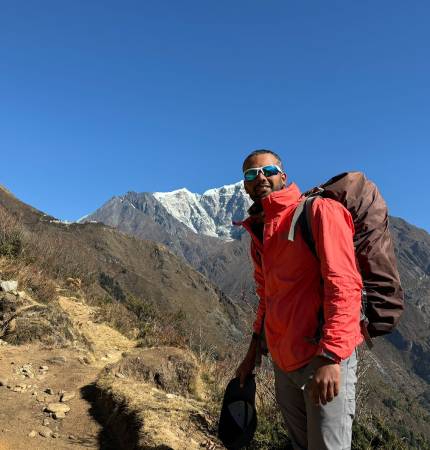
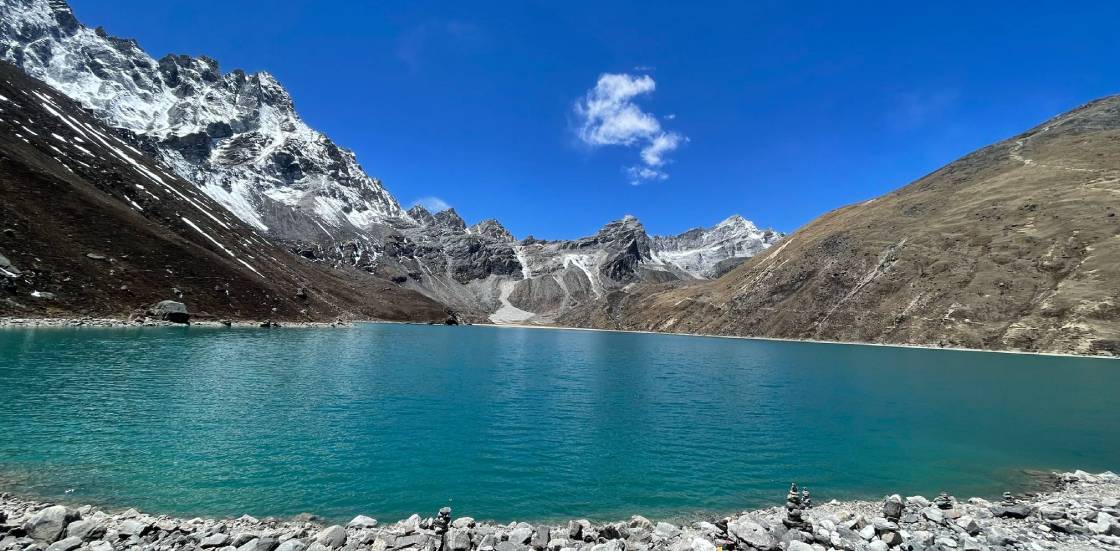
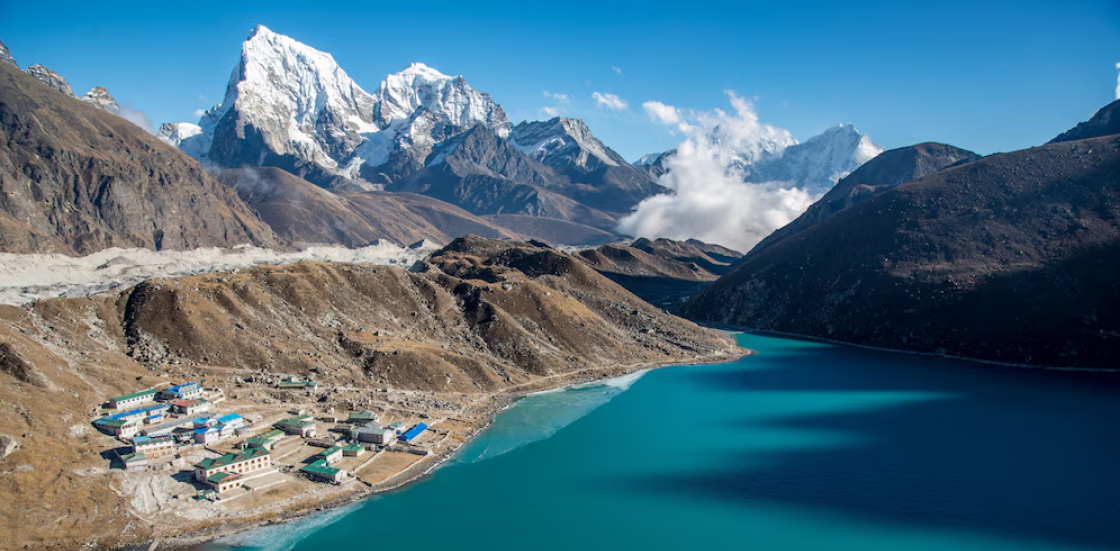
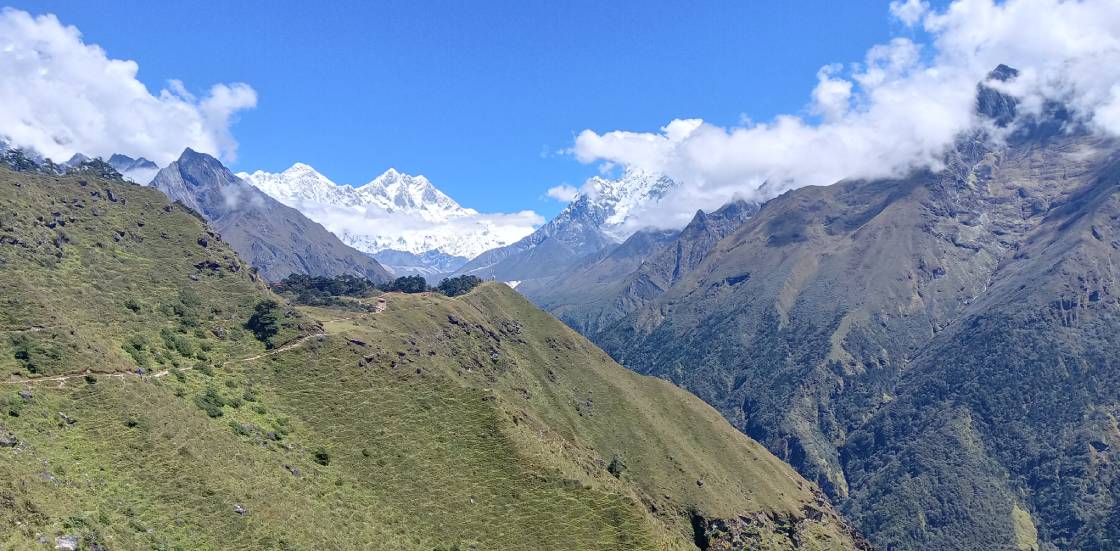
Pikey Peak Trek is among the most stunning and off-the-beaten-path trekking routes in Nepal, offering an exquisite view of the Himalayan range, Sherpa culture, and an unforgettable experience in the lower Everest region. Located at an altitude of 4,065 meters, Pikey Peak is a much-overlooked treasure providing one of the best sunrise and sunset views in Nepal,
with the wide-angle panorama of Mount Everest (8,848m), Kanchenjunga (8,586m), Makalu (8,485m), Lhotse (8,516m), Annapurna (8,091m), Manaslu (8,163m), and many other snow-capped peaks. This hike is a great choice for those who wish to experience the beauty of the Everest region without the throngs of people of the regular Everest Base Camp trek.
The Pikey Peak Trek itself is relatively short and moderate and is a wonderful choice for first-time trekkers, families, and those with limited time. The Pikey Peak Trek can be done in about 5 to 7 days depending on the route and pace. The hike takes hikers via scenic Sherpa villages, forests, Buddhist monasteries, and beautiful rhododendron-covered mountainsides, all against spectacular mountain landscapes. The hike goes along remote valleys, allowing visitors to observe authentic Sherpa life and culture, not yet tainted by mass tourism.
journey of pikey peak
The journey begins from Kathmandu, with the option of scenic drives to Dhap or Phaplu, bases for the trek. From here onwards, the trek follows peaceful trails, passing through dense rhododendron, magnolia, pine, and oak woods, beautiful terraced fields, and yak pastures. Trekkers on the trail get the opportunity to witness ancient Buddhist monasteries, Mani walls, and chortens, which reflect the cultural and spiritual heritage of the region. The well-known Thupten Choling Monastery, located just outside Junbesi village, is one of the region’s biggest spiritual places, where monks and nuns pass their day in meditation and prayer.
One of the principal delights of the trek is the sunrise view from Pikey Peak, which is rated as being among the best viewpoints in Nepal. As the sun rises above the towering peaks, the golden light transforms the scene into pure enchantment, bathing the Himalayan giants stretching from east to west. Even the majority of the world-famous mountaineers, such as Sir Edmund Hillary, have reported that the vista of Pikey Peak is the most stunning Everest view they ever experienced. Unlike the Everest Base Camp trek, which offers close-up views of Everest, Pikey Peak provides a wide-angle panoramic perspective of the entire Himalayan range.
One of the unique aspects of the Pikey Peak Trek is the opportunity to experience Sherpa culture. Unlike more touristy trekking routes, this route offers an authentic experience, where trekkers interact directly with local Sherpa families, enjoy typical food, and learn about their rituals, traditions, and way of life. The majority of villagers in the region still live by traditional customs, including keeping up with Buddhist festivals, traditional yak herding, and producing handicrafts on looms.
Pikey Peak Trek is also famous for its diverse landscapes and ecosystems. The trek unfolds through alpine meadows, deep canyons, glacial rivers, and high-altitude ridges, each of which offers a unique glimpse of Nepalese nature. During the spring season, the trek route is painted with pink-colored rhododendron flowers, further making the trek more intriguing. Nature enthusiasts can even spot Himalayan thars, langur monkeys, pheasants, and other endemic birds while on the trek.
Since the Pikey Peak Trek is a lesser-known trek, it ensures peace and isolation, which is perfect for anyone seeking more seclusion and isolation in their trekking experience. The moderate altitude gradient guarantees that trekkers do not need any prior exposure at high altitudes, yet basic fitness is a requirement. Furthermore, the lower height than that of Everest Base Camp guarantees less possibility of altitude sickness, making it a safer and more enjoyable trek for most travelers.
Overall, the Pikey Peak Trek is a wonderful combination of adventure, culture, and nature. It is a perfect choice for trekkers who desire to experience magnificent Himalayan landscapes, explore Sherpa culture, and trek along a peaceful and less crowed trail. With its diverse landscape, rich cultural heritage, and breathtaking dawn sunrises over Mount Everest, the Pikey Peak Trek is literally one of Nepal’s most off-the-beaten-path and deeply rewarding treks. If you are a beginner trekker or old traveler, this trek is an experience you will never forget about the center of the Himalaya.
Itinerary
The drive from Kathmandu to Dhap (2,850m) takes approximately 7–8 hours by private jeep or local bus, depending on road and weather conditions. The journey heads east from Kathmandu along the BP Highway, passing through scenic hills, terraced farms, and traditional villages. After reaching Ghurmi, the road climbs steadily into the Solu region.
The final stretch becomes more rugged and winding as you gain altitude toward Dhap, a small settlement that serves as the starting point for the Pikey Peak trek and other lower Everest region routes. Though long, the drive offers beautiful countryside views and a glimpse into rural Nepali life.
The trek from Dhap (2,850m) to Jhapre (2,820m) takes around 4–5 hours, following a scenic trail through rolling hills, forests, and traditional villages of the lower Everest region. The route begins with a gradual climb along a dirt road and then transitions to a peaceful walking trail lined with rhododendrons and pine trees. Along the way, you’ll pass prayer flags, chortens, and occasional views of distant Himalayan peaks.
Jhapre is a quiet village perched above a deep valley, offering beautiful views of Everest and Numbur Himal on a clear day. It’s a culturally rich settlement with a small Buddhist monastery and classic Sherpa hospitality, making it a charming stop for your first trekking night.
The trek from Jhapre (2,820m) to Pikey Base Camp (3,640m) takes about 5–6 hours, steadily ascending through lush forests and open ridgelines. The trail climbs gradually at first, passing through rhododendron and pine forests, especially beautiful during spring when flowers are in bloom. As you gain altitude, the landscape opens up, offering sweeping views of the Himalayan range, including Everest, Makalu, and Kanchenjunga on a clear day.
You’ll pass small yak pastures and a few teahouses along the way before reaching Pikey Base Camp, a quiet and scenic location nestled just below Pikey Peak. The base camp has a few basic lodges and is a peaceful place to rest and prepare for the early morning summit hike the next day.
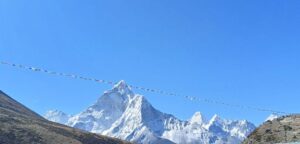
The day begins early with a pre-dawn hike to Pikey Peak (4,065m) to catch the sunrise. The ascent takes about 1.5 to 2 hours, and though it’s steep, reaching the summit rewards you with one of the most stunning panoramic views in Nepal.
On a clear morning, you can see Everest, Lhotse, Makalu, Kanchenjunga, and even distant peaks like Dhaulagiri and Annapurna — a true 8000-meter mountain panorama.
After soaking in the views and sunrise, you descend back to the base camp for breakfast, then begin the trek down to Loding (2,515m), which takes about 4–5 hours. The trail leads through forests, grassy ridges, and small villages, gradually dropping in altitude. Loding is a quiet village with basic teahouses, perfect for resting after a big day of trekking and peak climbing.
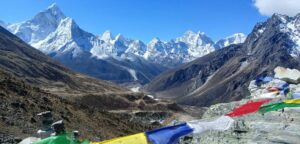
The trek from Loding (2,515m) to Junbesi (2,700m) takes about 5–6 hours and offers a beautiful blend of cultural and natural experiences. The trail gently ascends and descends through dense pine and rhododendron forests, passing terraced fields, prayer flags, and traditional Sherpa villages. As you walk, you’ll enjoy occasional views of the surrounding hills and distant snow-capped peaks.
Junbesi is one of the most charming Sherpa villages in the Solu region, known for its rich culture, warm hospitality, and historical Junbesi Monastery — one of the oldest in the area. It’s a great place to relax, explore, and soak in authentic Himalayan life before continuing your journey.
The trek from Junbesi (2,700m) to Phaplu (2,413m) takes about 4–5 hours and is a pleasant final day of walking. The trail descends gradually through forests, farmland, and traditional Sherpa settlements. Along the way, you’ll enjoy scenic views of the surrounding hills and valleys, as well as encounters with locals going about their daily lives.
Phaplu is a small but important town in the Solu region, home to a domestic airport and several comfortable lodges. It’s often the endpoint for treks in the lower Everest region, including the Pikey Peak trek. After reaching Phaplu, you can relax and celebrate the completion of your trek, with the option to fly or drive back to Kathmandu the next day.
The return journey from Phaplu to Kathmandu can be completed either by road or air. A flight takes around 35 minutes and offers a quick and scenic aerial view of the Himalayan foothills, though it is subject to weather conditions and may face delays.
Alternatively, a drive takes approximately 8–9 hours, passing through beautiful rural landscapes, terraced hillsides, and traditional villages. While longer, the road journey provides a deeper look into Nepal’s countryside and is a good backup if flights are unavailable. Both options effectively mark the end of the trekking adventure as you head back to the bustle of Kathmandu.
Cost Include
- Airport pickup/drop by private vehicle
- Welcome dinner with a live Nepali cultural program and a farewell dinner in a reputed Nepali restaurant.
- Includes 2 Nights stay at 3-star standard accommodation in Kathmandu with breakfast.
- Land transport Kathmandu to dhap.
- Land transport phaplu to kathmandu
- Includes accommodation in Teahouse/Mountain Lodge during the whole trek.
- BLD (Breakfast, Lunch & Dinner) during the whole trek
- Experienced Trekking Guide (Licensed Guide, fluent English speaker, first aid and eco trained).
- Sherpa Porter (provided one porter for every two members in a group).
- Trekking permits Charges.
- Any Government and Local body taxes.
- A company Duffle Bag and a T-shirt (as a souvenir).
- Group medical Kit Box (Includes first Aid kit & will be carried by a Guide)
- Arrangement of the Emergency Helicopter evacuation service which will be covered by your travel insurance company
Cost Exclude
- Nepal Visa Costs
- Any International flight cost to Kathmandu and a return ticket from Nepal.
- Any meal at Kathmandu besides Welcome Dinner, Farewell dinner, and Breakfast.
- Cost of any beverages (except hot drinks mentioned in the inclusion list), mineral water and beer, etc. during Trek or in Kathmandu
- Cost for Travel Insurance that must include Helicopter evacuation.
- Tipping to the guide, porter, or any person.
- Anything that is not included in the trip inclusion list.
FAQs
The Pikey Peak Trek is a popular trekking route in the Everest region of Nepal that offers stunning panoramic views of the Himalayan mountains, including Mount Everest, Kanchenjunga, and other majestic peaks. Unlike the more crowded Everest Base Camp trek, Pikey Peak is less visited, making it a peaceful and authentic experience.
The trek usually starts from the town of Salleri and takes you through traditional Sherpa villages, lush forests, and rolling hills. The highlight is reaching Pikey Peak, which sits at around 4,065 meters (13,343 feet) and serves as a beautiful vantage point to watch the sunrise over the Himalayas. This trek is moderately challenging, suitable for trekkers looking for a quieter route with rich cultural encounters and breathtaking mountain scenery.
The Pikey Peak Trek typically takes about 7 to 9 days to complete, depending on your pace and exact starting point. The trek usually begins from Salleri or nearby villages and involves gradual ascents through beautiful Sherpa villages, forests, and hills before reaching the summit of Pikey Peak at around 4,065 meters (13,343 feet).
The route is moderate in difficulty, allowing time for proper acclimatization and enjoying the stunning mountain views along the way. Most trekkers take about a week to complete the round trip comfortably.
On the Pikey Peak Trek, the highest point you’ll reach is Pikey Peak itself, which stands at approximately 4,065 meters (13,343 feet) above sea level. While this altitude is lower than some other treks in the Everest region, it still offers spectacular panoramic views of towering Himalayan giants like Mount Everest, Kanchenjunga, and other peaks.
The trek involves gradual climbs through charming Sherpa villages and forests, making it accessible for moderately experienced trekkers who want to enjoy breathtaking scenery without the extreme altitudes of higher Everest treks.
On the Pikey Peak Trek, the highest point you’ll reach is Pikey Peak itself, which stands at approximately 4,065 meters (13,343 feet) above sea level. While this altitude is lower than some other treks in the Everest region, it still offers spectacular panoramic views of towering Himalayan giants like Mount Everest, Kanchenjunga, and other peaks.
The trek involves gradual climbs through charming Sherpa villages and forests, making it accessible for moderately experienced trekkers who want to enjoy breathtaking scenery without the extreme altitudes of higher Everest treks.
During the Pikey Peak Trek, you’ll find simple but satisfying meals served at tea houses and lodges along the route. The staple food is often dal bhat a traditional Nepali dish of rice, lentils, and vegetables which provides good energy for trekking.
You can also expect to find momos (Tibetan-style dumplings), noodles, fried rice, soups, and sometimes eggs or potatoes. Fresh fruits and vegetables may be limited in more remote areas, so meals tend to focus on hearty, carb-rich dishes to keep you fueled.
Hot drinks like Nepali milk tea, ginger tea, and butter tea are commonly served and perfect for warming up after a day of trekking. Overall, the food is basic but nourishing, helping trekkers stay energized throughout the journey.
The best time to do the Pikey Peak Trek is during the spring (March to May) and autumn (late September to November) seasons. During these months, the weather is generally clear and stable, offering spectacular views of the Himalayan mountains and pleasant temperatures for trekking. Spring brings blooming rhododendrons and lush green landscapes, while autumn offers crisp air and vibrant skies.
The monsoon season (June to early September) is usually avoided because heavy rains can make trails slippery and obscure the mountain views. Winter (December to February) can be cold and snowy, making trekking more challenging but still possible for those prepared for the chill.
Overall, spring and autumn provide the best conditions for enjoying the beauty and culture of the Pikey Peak region.
Yes, it’s really important to have travel insurance for the Pikey Peak Trek. Even though this trek isn’t as high or as extreme as some other routes in the Everest region, you’re still trekking in remote mountainous areas where accidents, illness, or altitude-related issues can happen.
Good travel insurance should cover medical emergencies, evacuation, and trip cancellations, giving you peace of mind throughout your adventure. Plus, many trekking agencies in Nepal will ask for proof of insurance before you start, so it’s best to get it sorted before your trip.
The Pikey Peak Trek is considered moderately difficult. It’s not as challenging as some of the higher-altitude treks like Everest Base Camp or the Three Passes, but it still requires a reasonable level of fitness and stamina.
The trail involves steady uphill climbs and some steep sections, especially as you approach Pikey Peak at over 4,000 meters. However, the altitude is more manageable, and the route is less crowded and less technical. It’s a great option for trekkers who want a rewarding Himalayan experience with beautiful views and cultural encounters, without the intense physical demands of more extreme treks.
Price Per Person
$892