Mulde Danda Trek

Trek Duration
11 days

Best time to go
Sep-Nov, Mar-May

Group Size
2-25 People

Max Trekking Altitude
3637m

Accommodation
Teahouse

Trek Grade
moderate

Area
Annapurna Region

Hours of Walking
4-7 hrs per day

Start point - End point
Kathmandu
Overview of mulde danda trek
The Mulde Danda Trek is a hidden gem in the Annapurna region of Nepal that offers backpackers an off-the-beaten-path trek with breathtaking mountain vistas, diversified plant and animal life, and authentic cultural immersion. Shielded from the popular trails of the more touristy treks like Annapurna Base Camp or Ghorepani Poon Hill, Mulde Danda is a peaceful, less-treaded route that’s ideal for nature lovers and those who want some solitude in the Himalayas. This is not very long of a trek, usually completed between 5 to 7 days, and fine for beginners with average fitness levels, hence a good option for trekkers in search of a fulfilling experience without being prepared for the physical effort that comes with high-altitude mountaineering.
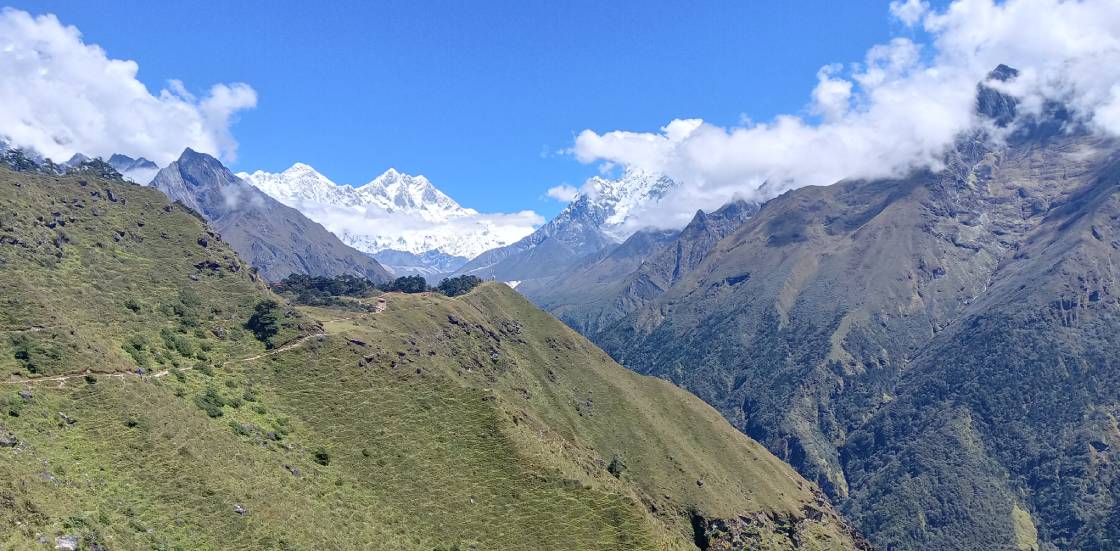
Mulde Danda Trek Starting from the scenic village of Ghandruk or Nayapul, the trail goes through small Gurung and Magar villages, where trekkers experience mountain hospitality firsthand. These villages have kept their culture and traditions intact and give the visitor a glimpse into rural Himalayan foothills life. Along the way, the trail goes through rhododendron forests that burst into colors in springtime, bamboo jungles, and terraced fields. The changing landscapes keep every step pictorially appealing. As you go higher, the temperature cools and the air becomes fresher, and the thick forests yield to alpine meadows of vast expanses with vistas of snow-clad peaks.
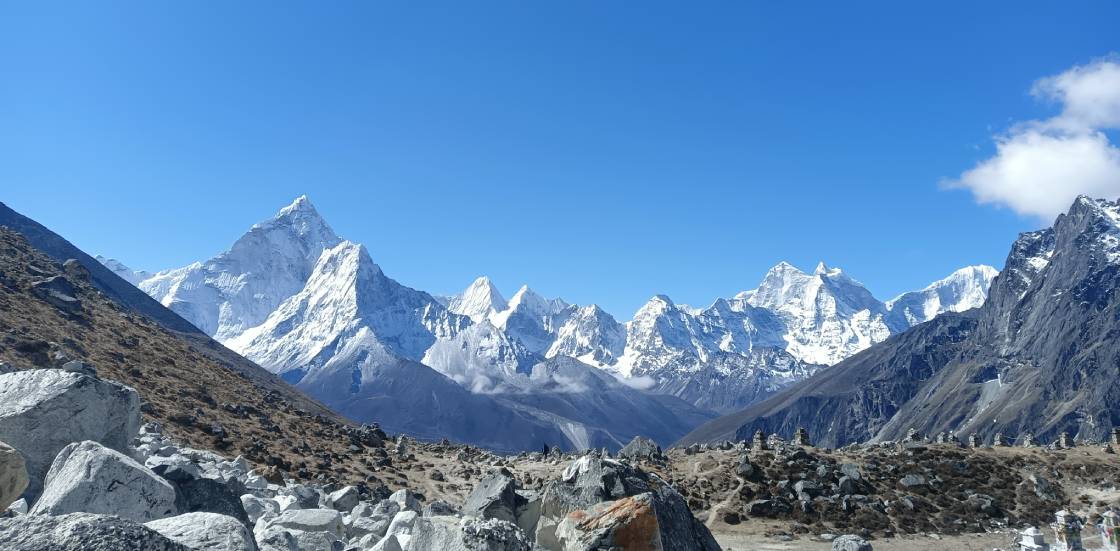
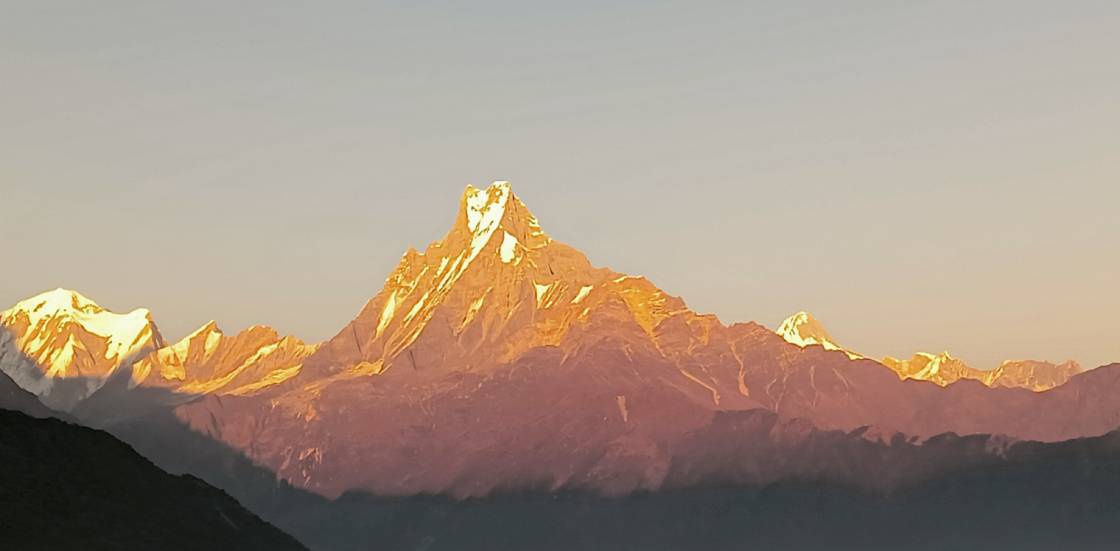
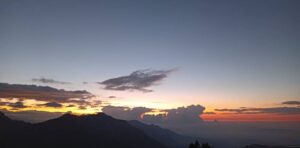
The pièce resistance of the trek is surely the sunrise view from Mulde View Point, which is at an elevation of approximately 3,637 meters. It is frequently referred to as one of the best views in the Annapurna mountains, and it offers a stunning panorama of some of the world’s highest peaks, including Machapuchare (Fishtail), Annapurna South, Hiunchuli, Dhaulagiri, and more. The view is especially magical in the morning when the sun is rising and turns the peaks orange and gold.
Contrary to the Poon Hill which is more of a tourist attraction, Mulde View Point is less crowded, and therefore trekking adventurers have the serenity and grandeur of the Himalayas all to themselves. Basic tea houses and lodges along the trek offer accommodations, with humble but comfortable abodes and warm meals. The hospitality of the villagers adds a personal touch to the experience, often welcoming guests to feel like members of the group. The accommodations are typically Nepali dishes, including dal bhat (lentil soup and rice) and momos (dumplings), along with fresh seasonal vegetables. While amenities are not of the luxury type, the hospitality and beautiful surroundings compensate.
The optimum time to trek to Mulde Danda is during spring (March to May) and autumn (September to November) when the weather is pleasant and mountain views at their finest. During these seasons, the weather is usually clear and the weather is good for trekking. Winter too can be perfect for those seeking isolation, though chilly weather and snowfall make the path slightly more challenging. Overall, Mulde Danda Trek is a perfect choice for one who wants to enjoy the natural and cultural splendor of Nepal without the presence of crowds.
Mulde Danda Trek is mix of moderate hiking, stunning views, and serene trails make it the perfect fit for anyone seeking a true Himalayan experience. An experienced trekker or a first-time traveler to Nepal, this underappreciated trail has it all: memories to last a lifetime, serenity moments, and an intimate acquaintance with the towering peaks.
Itinerary
We begin the trip with your arrival at the Tribhuvan International Airport. To make things easier, we’ll send one of our staff to pick you up and drop you at the hotel.Overnight at the hotel.
The preparation day for the Mulde Danda trek is usually spent in Pokhara, where trekkers complete all necessary formalities before setting out. On this day, you’ll obtain important permits such as the Annapurna Conservation Area Permit (ACAP) and the Trekkers’ Information Management System (TIMS) card, both mandatory for trekking in the region.
If you are trekking with a guide or an agency, this day also involves a detailed briefing about the route, daily itinerary, accommodation, and safety precautions. It’s an opportunity to meet your guide and support team, clarify any questions, and discuss weather and trail conditions. Additionally, this time can be used to finalize your gear, rent or buy any last-minute equipment, and pack properly for the trek. Taking a day to prepare ensures a smooth start to the Mulde Danda trek, giving you the confidence and readiness needed for the journey ahead.
he drive to Pokhara by tourist bus typically takes about 7 to 8 hours, depending on traffic and road conditions. The journey offers scenic views of Nepal’s countryside, including terraced fields, hills, and glimpses of the Himalayas in the distance.
Tourist buses usually depart from major cities like Kathmandu early in the morning, allowing you to arrive in Pokhara by afternoon or evening. While the ride can be long and occasionally bumpy, it’s an affordable and popular way to reach Pokhara, the gateway to many trekking adventures in the Annapurna region.
n the morning, drive from Pokhara to Nayapul, a scenic one-hour journey through the countryside. From Nayapul, begin your trek toward the traditional Gurung village of Ghandruk, located at 1,940 meters.
The trail gradually ascends through terraced fields, lush forests, and small settlements. Along the way, you’ll enjoy beautiful views of the Annapurna and Machapuchare (Fishtail) mountains. The trek takes about 5 to 6 hours, and upon arrival in Ghandruk, you can explore the village, visit the Gurung Museum, and experience the local culture and hospitality.
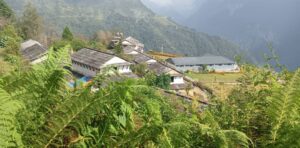
After breakfast, begin your trek from Ghandruk to Tadapani, ascending through dense rhododendron and oak forests. The trail offers occasional glimpses of snow-capped peaks like Annapurna South and Machapuchare. The walk is peaceful and scenic, taking about 3 to 4 hours at a relaxed pace. Tadapani, situated at 2,660 meters, offers breathtaking mountain views and a quiet place to rest for the night.
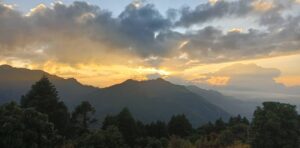
The trek from Tadapani to Dobato (3,420m) is a rewarding section of the Annapurna Circuit, offering stunning mountain views and diverse landscapes. Starting from Tadapani, a charming village nestled in rhododendron forests, the trail gradually ascends through lush woods, passing traditional Gurung villages and terraced fields.
The trek involves a steady climb with occasional steep sections, typically taking about 5 to 6 hours to reach Dobato, which sits at a higher altitude and serves as a popular overnight stop for acclimatization. Along the way, trekkers can enjoy panoramic views of Annapurna South, Hiunchuli, and Machhapuchhre.
Dobato itself offers simple teahouse accommodation and is known for its peaceful atmosphere and close proximity to snow-capped peaks, making it a perfect place to rest and prepare for the next stages of the trek.
Early in the morning, trekkers set out from Dobato for a refreshing hike to Mulde View Point, which sits at an altitude of 3,637 meters. This short but moderately steep climb rewards hikers with spectacular panoramic views of the Annapurna and Dhaulagiri mountain ranges, making it an unforgettable sunrise experience.
After soaking in the breathtaking vistas and taking plenty of photos, the trek continues with a gradual descent towards Ghorepani, located at 2,860 meters. The descent takes you through lush forests of rhododendron and oak, passing small villages and terraced fields along the way. Trekking from Mulde View Point down to Ghorepani typically takes around 4 to 5 hours. Ghorepani is a popular stop on the Annapurna Circuit, known for its charming teahouses and as a gateway to the famous Poon Hill sunrise viewpoint.
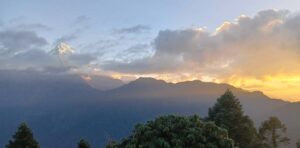
An optional early morning hike to Poon Hill (3,210m) offers one of the most iconic sunrise experiences in the Annapurna region. Just before dawn, trekkers climb about 45 minutes to an hour to the viewpoint, where they are rewarded with breathtaking panoramic views of the Annapurna and Dhaulagiri mountain ranges bathed in golden morning light. After enjoying the sunrise and the stunning vistas, the trek continues downhill towards Ulleri (2,070m).
This descent takes around 4 to 5 hours, passing through rhododendron forests, terraced fields, and traditional villages. Ulleri is known for its steep stone staircases and serves as a convenient resting point with several teahouses offering comfortable accommodation before the next stage of the journey.
The trek from Ulleri to Nayapul marks the final leg of the popular Annapurna Circuit route. Starting from Ulleri, the trail descends steadily through lush forests and terraced fields, passing through several small villages where trekkers can experience local culture and hospitality. This section usually takes about 4 to 5 hours to complete.
Upon reaching Nayapul, a small town at the foothills, trekkers conclude the trekking portion of their journey. From Nayapul, a short drive of around 1.5 to 2 hours brings you back to Pokhara, where you can relax and enjoy the comforts of the lakeside city after your adventure in the mountains.
After breakfast in Pokhara, begin your drive back to Kathmandu, covering a distance of approximately 200 kilometers, which takes about 6 to 7 hours depending on traffic and road conditions. The journey follows the scenic Trishuli River, passing through hills, small towns, and countryside landscapes. Upon arrival in Kathmandu, you’ll be transferred to your hotel for a well-deserved rest or some final exploration of the city.
Time to say good bye After your all travel including trek to Poonhill a representative from hello Nepal will drop you to the international airport for your finale departure.
Cost Include
- Pick up and drop to international airport
- 3- night hotel accommodation in Kathmandu with BB plan
- Guided city tour with private vehicle
- Tourist bus to Pokhara
- 2- night hotel accommodation in Pokhara with BB plan
- Private vehicle to nayapul
- Trekking guide
- porter
- All food during the trek(b/l/d)
- Annapurna conversation area permit
- TIMS card
- Tea houses during the trek
- Private vehicle nayapul to Pokhara
- bus ticket Pokhara to Kathmandu
- down jocket
- Sleeping bag
Cost Exclude
- International airfare
- Nepal entry visa
- Lunch and Dinner during your stay in Kathmandu and Pokhara (except welcome and Farewell dinner )
- Personal expenses: phone call, laundry, bar bills, battery recharge, mineral water and hot
shower - Rescues, repatriation, medicines, medical tests, and hospitalization expenses
- Any additional porters other than specified
- Tips for Guide and Porters
- Any other expenses which are not mentioned in our Price Includes section
FAQs
The Mulde Danda Trek is a lesser-known but beautiful trekking route in the Annapurna region of Nepal. It offers trekkers a peaceful alternative to the more crowded trails, showcasing stunning panoramic views of the Annapurna and Dhaulagiri mountain ranges from Mulde Danda, which sits at an altitude of around 3,637 meters.
The trek typically passes through traditional Gurung and Magar villages, rhododendron forests, and terraced farmland, providing rich cultural experiences alongside natural beauty. Because it’s less commercialized, the trail offers a tranquil atmosphere, making it ideal for trekkers looking to explore authentic mountain life while enjoying breathtaking Himalayan vistas. The trek is considered moderate in difficulty and is usually completed in about 6 to 12 days, depending on the chosen itinerary.
Yes, the Mulde Danda Trek is considered a newly opened trekking trail in Nepal’s Annapurna region. While the area has been accessible for trekkers since the early 2000s, it remained relatively overlooked compared to more popular routes like Poon Hill. In recent years, however, the trail has gained recognition for its stunning panoramic views, cultural experiences, and serene environment.
The Mulde Danda viewpoint, situated at an elevation of 3,637 meters, offers breathtaking vistas of the Annapurna and Dhaulagiri mountain ranges. The trek typically passes through traditional Gurung and Magar villages, rhododendron forests, and terraced farmland, providing trekkers with a rich cultural and natural experience. It’s often combined with other treks in the region, such as the Ghorepani Poon Hill Trek or the Khopra Danda Trek, to create a more comprehensive trekking experience.
The views from the **Mulde Danda Trek** are truly spectacular and one of the main highlights of the route. From the Mulde Danda viewpoint, perched at around 3,637 meters, trekkers are treated to breathtaking panoramic vistas of some of the most famous Himalayan peaks. You can see the towering Annapurna range, including Annapurna South and Annapurna I, as well as the majestic Dhaulagiri massif. On clear days, the iconic Machhapuchhre (Fishtail) peak is also visible, adding to the dramatic mountain scenery.
Besides the snow-capped giants, the trek offers sweeping views of rolling hills, lush rhododendron forests, and traditional mountain villages scattered throughout the landscape. The sunrise and sunset from Mulde Danda are especially memorable, as the peaks light up in shades of pink and gold, creating picture-perfect moments for nature lovers and photographers. Overall, the Mulde Danda Trek provides a quieter, less crowded vantage point to enjoy some of Nepal’s most stunning mountain panoramas.
During the Mulde Danda trek, trekkers can expect to find basic but comfortable teahouses and homestays along the route, especially in villages like Mulde Danda itself. These accommodations typically offer simple rooms with shared bathrooms and provide blankets, though it’s recommended to bring a sleeping bag for extra warmth at higher elevations.
The food available is traditional and hearty, with menus featuring staples such as dal bhat (lentils, rice, and vegetables), noodles, fried rice, momos (dumplings), and simple vegetable soups. Hot beverages like tea, coffee, and lemon tea are commonly served and are perfect for warming up after a day of trekking. While fresh vegetables and meat may be limited due to the remote nature of the trail, the meals are filling and energizing. Overall, the teahouses on the Mulde Danda trek offer a cozy and welcoming atmosphere, providing trekkers with the necessary rest and nourishment to continue their journey.
The Mulde Danda trek is generally considered moderate in difficulty. It involves steady uphill climbs and some steep sections, especially as you approach higher elevations like the Mulde Danda viewpoint at around 3,637 meters. The trails are mostly well-marked but can be rugged and uneven in places, requiring a reasonable level of fitness and stamina.
Because the altitude is moderate compared to higher Himalayan treks, the risk of severe altitude sickness is lower, but proper acclimatization and pacing are still important. The trek is suitable for beginners with good fitness or experienced trekkers looking for a quieter, less crowded route.
Overall, while it’s not an easy stroll, it’s manageable for most people who prepare physically and take their time, offering rewarding views and a peaceful trekking experience without the extreme challenges of higher-altitude trails.
Price Per Person
on request