Langtang Valley Trek

Trek Duration
10 Days

Best time to go
Sep-Nov, Mar-May

Group Size
2-25 People

Max Trekking Altitude
4,200 meter

Accommodation
Teahouse

Trek Grade
moderate

Area
Langtang Region

Hours of Walking
5-9 Hours per day

Start point - End point
Kathmandu
About Langtang valley trek
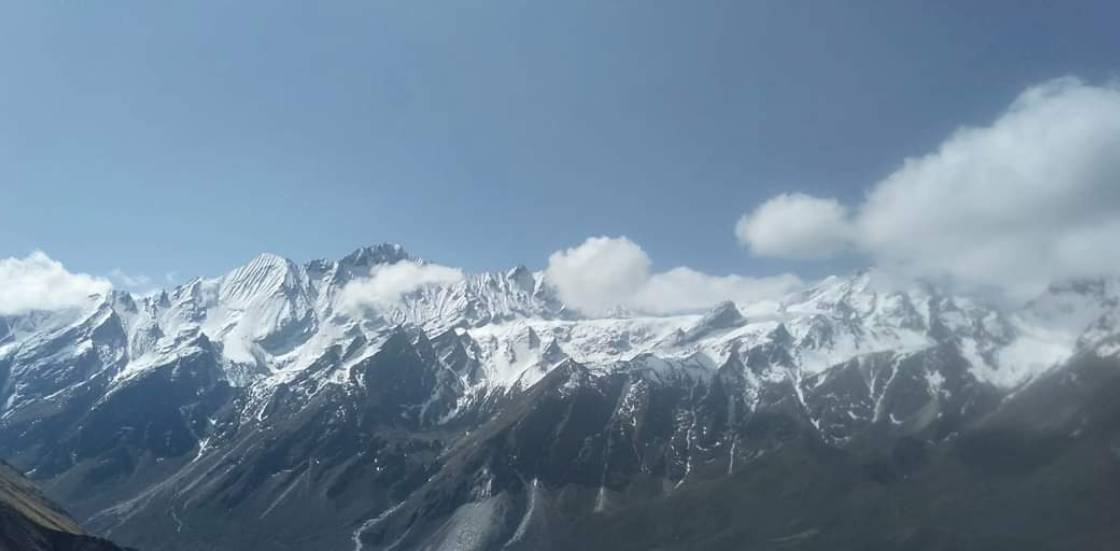
Langtang Valley Trek is among the most scenic and culturally diverse treks in Nepal. Situated in Langtang National Park, the trek is a perfect blend of stunning mountain views, lush flora and fauna, and diverse Tamang culture. The “Valley of Glaciers” is the common name of Langtang, which is known for incredible snow-capped mountains, lush meadows, and historic monasteries.
Though it’s fairly close to Kathmandu, the Langtang area is less frequented compared to Everest and Annapurna, making it a perfect spot for trekkers who desire tranquility, nature, and authentic Himalayan culture.
Langtang Valley trek is located in Rasuwa District, about 51 kilometers north of Kathmandu, near the border with Tibet. The trekking departs from Syabrubesi, access to which can be gained through a 6 to 7-hour vehicle ride from Kathmandu. Although the journey is sometimes rough, it passes through beautiful landscapes of hill, river, and rice terraces.
As soon as the trek begins, the trail rises higher through forest, yak grazing meadows, and glacial valleys, gradually unrolling to the Langtang Valley and famous Kyanjin Gompa beauty.
Langtang valley trek
One of the perks of this trek is the culturally enriching experience. The region is inhabited by the Tamang people, an ethnic tribe that is descended from Tibetans. Their warm hospitality, traditional houses, Buddhist monasteries, and prayer flags add a cultural and spiritual depth to the journey.
The trek also runs through Langtang National Park, which is rich in biodiversity. Trekkers have the opportunity to see red pandas, Himalayan tahrs, langurs, and birds of various species. The lower trails are clothed with bamboo and rhododendron forests, and higher altitudes provide rocky landscapes, glaciers, and alpine meadows.
The Langtang Valley Trek is famous for the scenic views of mountains, varied landscape, and cultural diversity. The hike goes through Langtang National Park, which has some of the rarest species like red pandas, Himalayan black bears, and langurs, and has beautiful views of Langtang Lirung (7,227m), Dorje Lakpa (6,966m), and Ganesh Himal (7,422m). Some of the best attractions include Kyanjin Gompa (3,870m), a Buddhist monastic temple nestled in breathtaking Himalayan mountains.
Trekkers can hike to Tserko Ri (5,000m) for a sunrise view or Langtang Glacier and icefalls. Tamang culture is also present in the area, with villages like Langtang Village offering traditional Tibetan-style culture and hospitality. A visit to the Yak Cheese Factory at Kyanjin Gompa offers a taste of locally made Himalayan cheese.
The trek starts from Syabrubesi, a rustic town and entry point for Langtang. For those who want a longer experience, the trek continues to Gosaikunda Lake and Lauribina Pass, a pilgrimage site and an alpine scenery. Langtang Valley Trek is suitable for nature lovers, culture lovers, and adventure enthusiasts who are looking for a peaceful yet rewarding Himalayan experience.
Langtang Valley Trek is an ideal mix of stunning Himalayan landscape, ancient Tamang heritage, and abundant wildlife, ranking as one of the most rewarding trekking destinations in Nepal. Although it is within easy reach of Kathmandu, the region remains less crowded with a promise of serene trekking. With stunning views of Langtang Lirung (7,227m), trips to sacred places like Kyanjin Gompa, and thrilling walks to Tserko Ri (5,000m), the trek provides culture with architecture.
The warm and friendly Tamang and Tibetan-influenced community’s hospitality along with visits to the Yak Cheese Factory make it even more enticing. Whether you are a seasoned trekker or a beginner, Langtang Valley offers a lifetime experience of glacial valleys, pristine forests, and alpine meadows. Ideal for a person seeking a short but hardcore Himalayan trek, this trek is a nature enthusiast’s and culture enthusiast’s paradise.
Itinerary
We begin the trip with your arrival at the Tribhuvan International Airport. To make things easier, we’ll send one of our staff to pick you up and drop you at the hotel.Overnight at the hotel.
On your second day in Kathmandu, you’ll have ample time to rest and attend a trip briefing to prepare for your upcoming trek. Following the briefing, you’ll embark on a 4-5 hour sightseeing tour of some of Kathmandu’s most iconic UNESCO World Heritage sites.
The tour includes visits to Kathmandu Durbar Square, Swayambhunath Temple (Monkey Temple), Boudhanath Stupa, and Pashupatinath Temple, each offering unique cultural and spiritual experiences. After the tour, you’ll have the remainder of the day to relax at your hotel. Overnight at the hotel, with breakfast included.
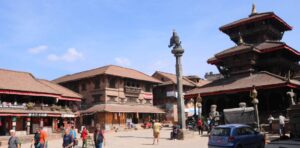
The drive from Kathmandu to Syabrubesi (1,462m) by local bus typically takes around 7 to 9 hours, depending on road and traffic conditions. Buses depart early in the morning from Machhapokhari Bus Park in Kathmandu and follow the scenic Pasang Lhamu Highway, passing through towns like Trishuli Bazaar and Dhunche before reaching Syabrubesi.
The journey offers beautiful views of hills and rivers but involves winding and sometimes bumpy mountain roads. Local buses are basic and often crowded, so it’s advisable to book tickets early and prepare for a rustic travel experience. For a faster and more comfortable option, shared jeeps are also available.
The Langtang Valley Trek from Syabrubesi (1,462m) to Lama Hotel (2,500m) takes about 7–8 hours and is a rewarding introduction to the Langtang region. The trail gradually climbs through dense forests of rhododendron and pine, passing traditional Tamang and Sherpa villages along the way.
You’ll cross suspension bridges over clear mountain streams and enjoy stunning views of surrounding peaks as you gain altitude. Lama Hotel is a charming village with several teahouses, offering a cozy place to rest after a long day of trekking.
The Langtang Valley Trek from Lama Hotel (2,500m) to Langtang Village (3,307m) takes about 6–7 hours and involves a steady ascent through beautiful alpine forests and open mountain landscapes. Along the way, you’ll pass through small villages and yak pastures, enjoying panoramic views of the Langtang Himal range.
The trail is well-marked but can be steep in sections. Langtang Village is a picturesque settlement known for its friendly locals and stunning backdrop of snow-capped peaks, making it an ideal spot to rest and acclimatize before continuing deeper into the region.
The Langtang Valley Trek from Langtang Village (3,307m) to Kyanjin Gompa (3,870m) takes about 3–4 hours, but if you include the hike to Kyanjin Ri (4,200m) and back, expect a full day of trekking around 7–8 hours. The trail climbs gradually through alpine meadows dotted with yak pastures and offers spectacular views of Langtang Lirung and other towering peaks.
At Kyanjin Gompa, you can explore the monastery and sample local cheese. The hike up to Kyanjin Ri is a moderately steep climb, rewarding you with panoramic views of the entire Langtang valley and the surrounding Himalayan giants. This day is perfect for acclimatization and soaking in the natural beauty of the region.
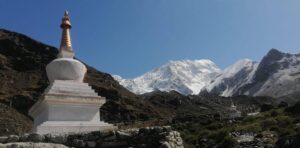
The Langtang Valley Trek back from Kyanjin Gompa (3,870m) to Lama Hotel (2,500m) takes about 7–8 hours and is a long descent through the beautiful Langtang Valley.
The trail passes through lush forests, charming villages, and scenic river crossings, offering plenty of opportunities to enjoy the natural surroundings one last time. Descending can be tough on the knees, so take your time and rest when needed. Lama Hotel provides a comfortable place to relax after this full day of trekking.
The trek from Lama Hotel (2,500m) back to Syabrubesi (1,462m) takes about 6–7 hours and mostly involves a gradual descent through beautiful forests and traditional villages. The trail follows mountain streams and crosses several suspension bridges, offering peaceful views of the Langtang region’s lush landscape.
As you descend, the vegetation becomes denser and the air warmer, making the walk more comfortable. Syabrubesi is a lively village that serves as the gateway to the Langtang trek, with various guesthouses and restaurants where you can rest and celebrate the completion of your journey.
The return journey from Syabrubesi to Kathmandu by deluxe bus offers a comfortable and scenic ride, typically taking 7–8 hours.
Deluxe buses depart from Machhapokhari Bus Park in Kathmandu, following the Pasang Lhamu Highway through Trishuli Bazaar and Dhunche. The route covers approximately 120 km, passing through picturesque landscapes and traditional villages.
After arriving back in Kathmandu, you will be transferred to Tribhuvan International Airport for your onward journey. The airport is located about 6 kilometers from the city center, and the transfer usually takes around 30 to 45 minutes by car, depending on traffic.
Your driver or guide will ensure a timely drop-off for your flight check-in and departure. It’s a convenient and comfortable way to conclude your trip, giving you time to reflect on your adventure before heading home or to your next destination.
Cost Include
- Airport pick up & drop by private tourist vehicle.
- All Meals during the trek (Breakfast, Lunch, and Dinner) single item food.
- Public bus from Kathmandu to Syabru Besi to Kathmandu.
- One professional, Government license holder English peaking trekking guide.
- 3 nights hotel accommodation in Kathmandu tourist stander hotel (Breakfast included).
- TIMS card (trekking Agency association of Nepal)
- Langtang National Park Permit.
- Food, accommodation, salary, insurance, equipment, and medicine for the guide, and porters.
- Accommodation in lodges and guesthouses (Mostly twin sharing and occasional dormitory style) during the trek.
Cost Exclude
- International airfare and airport departure tax.
- Nepal Entry Visa.
- Travel insurance, which covers emergency rescue and evacuation.
- Personal trekking equipment and clothing.
- Lunch and dinner in Kathmandu.
- Drinks, chocolates, and snacks in the mountains.
- Tips for trek guides, tour guides, and porters (Tipping is mandatory).
- Any other expense, which is not mentioned in the ‘Service Includes’ section.
FAQs
The Langtang Valley Trek is a popular trekking route in the Langtang region of Nepal, located just north of Kathmandu. It’s known for its stunning natural beauty, rich cultural experiences, and relatively accessible trails, making it a favorite for both beginner and experienced trekkers.
The trek takes you through lush rhododendron and pine forests, traditional Tamang and Sherpa villages, and dramatic mountain landscapes. You’ll pass sparkling rivers, suspension bridges, and yak pastures as you gradually ascend into the alpine zone.
The highlight of the trek includes visiting Langtang Village, exploring Kyanjin Gompa (a charming monastery village), and enjoying spectacular views of peaks like Langtang Lirung and the surrounding Himalayan range.
The Langtang Valley Trek is considered moderately difficult, suitable for trekkers with a decent level of fitness and some previous hiking experience. The trail involves steady uphill climbs, rocky paths, and long walking days of around 5 to 7 hours, with the highest altitude reaching close to 4,870 meters.
While the route is well-marked and does not require technical climbing skills, trekkers should be prepared for changes in weather, colder temperatures at higher elevations, and the need for proper acclimatization to avoid altitude sickness. Overall, with good physical preparation and careful pacing, most healthy individuals can successfully complete the trek and enjoy its stunning natural beauty and cultural experiences.
The best time to do the Langtang Valley Trek is during the pre-monsoon (spring) and post-monsoon (autumn) seasons. In spring (March to May), the weather is mild, the skies are generally clear, and rhododendron forests burst into vibrant bloom, adding spectacular color to the trail.
Autumn (late September to November) offers stable weather, crisp air, and excellent mountain views, making it the most popular trekking season. Both seasons provide comfortable temperatures and good trail conditions. While winter treks are possible, colder temperatures and occasional snow can make the journey more challenging.
The monsoon season (June to early September) is less ideal due to heavy rains, slippery trails, and increased risk of landslides.
The Langtang Valley Trek typically takes about 7 to 10 days to complete, depending on the exact route, pace, and any rest or acclimatization days included.
Most itineraries start with a drive from Kathmandu to Syabrubesi, followed by gradual trekking through villages like Lama Hotel, Langtang Village, and Kyanjin Gompa. Some trekkers add extra days for hiking to nearby peaks or for acclimatization, while others may take a slightly faster pace. Overall, the trek balances enough time to enjoy the stunning scenery and culture without rushing.
Yes, it’s very important to have travel insurance for the Langtang Valley Trek. Since the trek takes you through high-altitude and remote areas, there’s always a risk of illness, injury, or unexpected emergencies.
Good travel insurance will cover medical treatment, emergency evacuation, and even helicopter rescue if needed. Many trekking companies won’t let you start the trek without proof of insurance, so it’s best to get it sorted before you go. Having insurance gives you peace of mind so you can focus on enjoying the beautiful journey without worrying about what might go wrong.
Along the Langtang Valley Trek, you’ll find basic to comfortable teahouses that offer clean rooms, usually with twin beds, warm blankets, and shared bathrooms.
The food is typically simple, hearty, and freshly prepared, with popular options like dal bhat (rice, lentils, vegetables), noodles, fried rice, momos (dumplings), and pancakes or porridge for breakfast.
Many teahouses also serve hot drinks like tea, coffee, and garlic soup, which helps with altitude adjustment. While choices are more limited at higher altitudes, the hospitality is warm and welcoming throughout.
Price Per Person
$852