Langtang Gosaikunda Chisapani Trek

Trek Duration
16 days

Best time to go
Sep-Nov, Mar-May

Group Size
2-25 People

Max Trekking Altitude
4610 m

Accommodation
Tea Houses

Trek Grade
moderate

Area
Langtang Region

Hours of Walking
4-7 hrs per day

Start point - End point
Kathamndu
All about Langtang Gosaikunda Chisapani Trek
The Langtang Gosaikunda Chisapani Trek is an experience like no other that balances the wild beauty of the Himalayas with the rich cultural heritage of the Tamang and Sherpa people. From the dense forests and rice terraces of the Langtang Valley to the sacred high-altitude beauty of Gosaikunda Lake, the trek presents a unique chance to see both Nepal’s natural and sacred beauty.
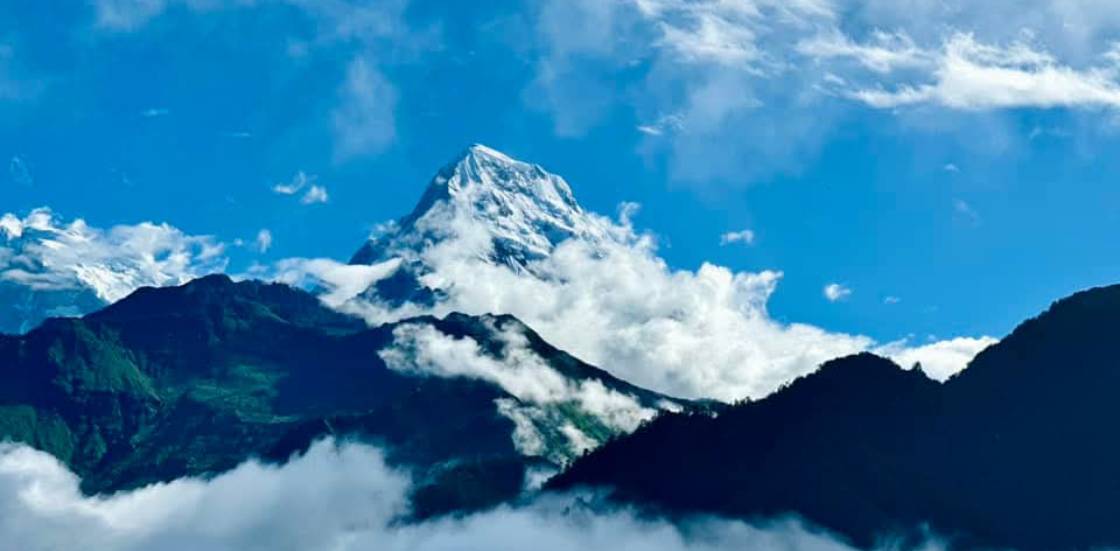
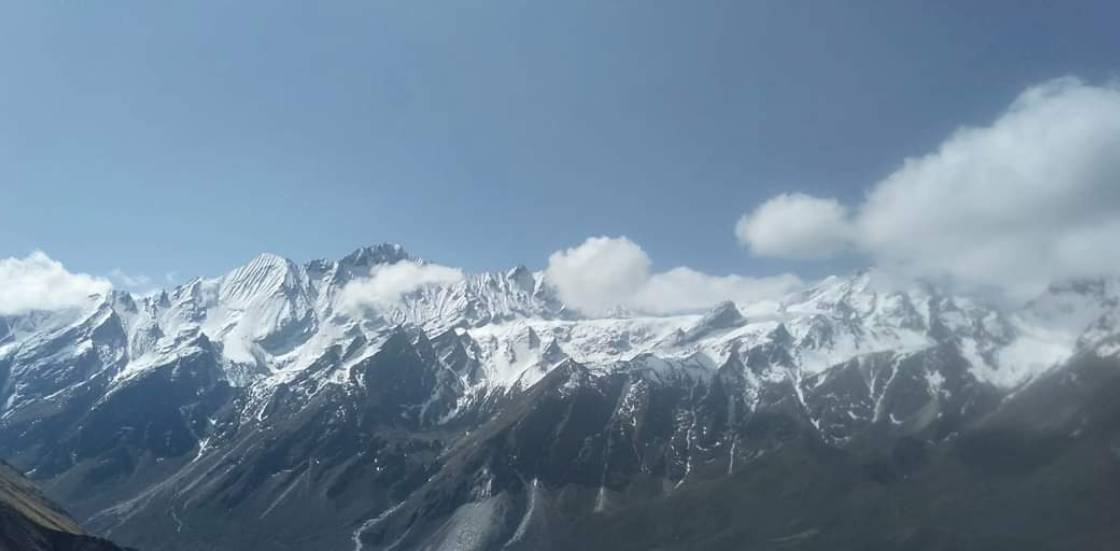
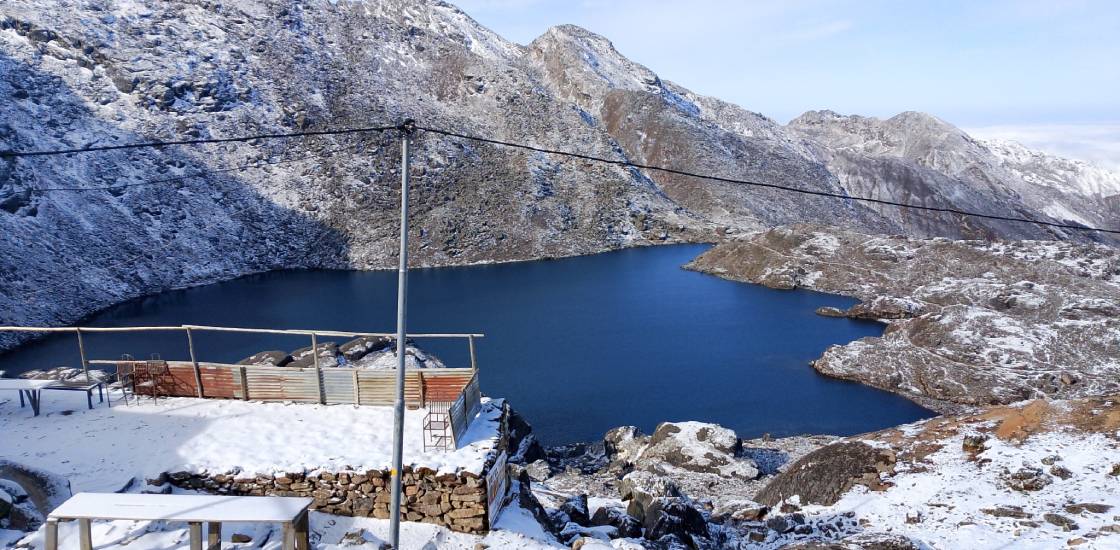
The stunning views of snow-capped mountains, including Langtang Lirung and the surrounding mountains, are the ever-present friends of the trekkers on the journey, showcasing beautiful scenery around each turn. The sacred Gosaikunda Lake, at an elevation of 4,380 meters, is one of the highlights, attracting pilgrims and trekkers to immerse in its spiritual serenity as well as witness the breathtaking panorama along its lake shore.
Langtang Gosaikunda Chisapani Trek takes you to Nepal’s wildest and scenically most beautiful destination. The trek begins with long drive from Kathmandu to the picturesque hill town of Syabrubensi where you will have some few lodges for overnight rest. The following day, the hike starts from Syabrubenshi on the northern side of Langtang Valley to Sherpa Gaon overnight stay where you will spend your second night in a lodge. On the trekking, you will pass through lovely and conifer Langtang National Park forests bringing you to the higher elevation.
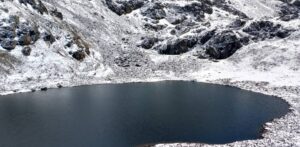
After an overnight camp at Langtang Village, you will continue your trek to the next destination trekking over the high alpine yak pastures, moraines and glaciers in the area around Kyangin and higher up to Sacred Lake Gosainkund (4380 m). The area around Lake Gosainkund is still deeply veiled in mist, and on clear days you can see charming mountains in the direction of the north. In winter, the lake freezes. Gosainkund is sacred to Hindu and Buddhist, and on the full moon day of August every year many tourists from all over Nepal and India flock there to celebrate the Gosainkund festival.
In Langtang Gosaikunda Chisapani trekking, there would be an opportunity to witness the full range of Himalayan topography, ethnic culture, and lifestyle of the local people. Besides this, there would be an opportunity to observe some interesting birds and animals at the side trails. Some of them observed in the Langtang National Park are monkeys, musk deer, pika and the national bird of Nepal, the pheasant of vibrant plumage.
The Langtang Gosaikunda Chisapani Trek cultural experience is as fulfilling. The tourists have a chance to mingle with the local Tamang and Sherpa inhabitants, whose existence is closely tied to Hinduism and Buddhism. The villages along the trek, with their ancient stone houses, monasteries, and vibrant religious ceremonies, present trekkers with a glimpse of the everyday lives and religiosity of such mountain residents. The spiritual atmosphere is provided by ancient monasteries, Buddhist stupas, and prayer flags, and the trek also becomes a soul journey as well as a physical journey.
Furthermore, the transition from Langtang Valley to the calmer, less traveled Helambu region provides an array of scenery and culture, supplementing the experience of the trek. The Helambu region, renowned for its peaceful villages and rich forests, allows trekkers to experience the unspoiled side of Nepal, removed from well-trodden trekking routes.
On the whole, the Langtang Gosaikunda Chisapani Trek is a perfect choice for a trek that has a wonderful combination of natural scenery with cultural diversity. Its moderate level of difficulty gives it accessibility to a wide range of trekkers of all experience levels, while its diverse landscapes, rich culture, and spiritual ethos promise to leave an indelible impression on all who take part. Whether you are an outdoor enthusiast, culture vulture, or just a soul searching for spiritual peace, this trek is an unforgettable experience that presents the best of Nepal’s Himalayas and warm, energetic communities.
Itinerary
Cost Include
- Pick up & drop to and from the Airport by private Car/Van/Bus as per group size
- 3 nights hotel accommodation on twin sharing basis in Kathmandu with Breakfast
- Tea house on twin sharing during the trek
- Local Land transport- Kathmandu – Syabrubesi
- Meals (Breakfast, lunch, dinner) in trekking
- Langtang National Park fee
- TIMS card
- Shivpuri National Park fee
- Private vehicle from sundarijal to Kathmandu
- Government license holder Local Expert Trekking Guide, Assistant Guide & Porters (as per group size)
- All applicable government taxes/ local charges
- Staff daily wages, insurance, equipment, transport, food, and accommodation
- Farewell dinner in a typical Nepali restaurant in Kathmandu
Cost Exclude
- international airfare
- Monument Entrance fee if sightseeing in Kathmandu
- Lunch and Dinner in Kathmandu (except farewell dinner)
- Personal expenses: phone call, laundry, bar bills, battery recharge, mineral water & hot shower
- Rescues, repatriation, medicines, medical tests and hospitalization expenses
- Clothing packing items or bags, personal medical kit
- Any additional staff other than specified
FAQs
The Langtang Gosaikunda Chisapani Trek is a scenic and culturally rich trekking route in Nepal that combines the beauty of the Langtang Valley, the sacred Gosaikunda Lake, and the lush hills of Chisapani.
This trek offers a diverse experience, from exploring Tamang villages and alpine forests to crossing high mountain passes and visiting the holy lakes of Gosaikunda, revered by Hindus and Buddhists alike. It ends near the Kathmandu Valley, providing stunning views of the Himalayas and a peaceful retreat from the busy city.
The best time for the Langtang Gosaikunda Chisapani Trek is during spring (March to May) and autumn (September to November).
Spring offers clear skies, mild temperatures, and blooming rhododendrons along the trail.
Autumn provides stable weather, excellent mountain views, and pleasant trekking conditions after the monsoon rains.
These seasons are ideal for both safety and enjoying the natural beauty of the region. Avoid the monsoon season (June to August) due to slippery trails and leeches, and winter (December to February) if you’re not prepared for snow and cold temperatures, especially around Gosaikunda.
Yes, travel insurance is highly recommended for the Langtang Gosaikunda Chisapani Trek. This trek involves high-altitude hiking, remote trails, and potential risks such as altitude sickness, injuries, or sudden weather changes.
A good travel insurance policy should cover emergency medical treatment, evacuation by helicopter if needed, trip cancellations, and lost or stolen belongings. Since access to healthcare facilities in remote areas is limited, having insurance provides safety and peace of mind throughout the journey. Many trekking agencies in Nepal also require proof of insurance before starting the trek.
During the Langtang Gosaikunda Chisapani Trek, trekkers stay in tea houses, which are small, family-run lodges offering basic but comfortable accommodation and meals. Rooms usually have twin beds with simple bedding, and shared bathrooms are common.
The food is hearty and suitable for trekking, with menus offering Nepali dishes like dal bhat (rice, lentils, vegetables), as well as noodles, soups, pancakes, eggs, fried rice, and pasta. In higher altitudes, options may be more limited, and food prices increase due to transportation difficulties. Clean drinking water, snacks, and hot beverages like tea and coffee are widely available.
For the Langtang Gosaikunda Chisapani Trek, it’s important to bring the right trekking gear to stay safe and comfortable. Essential items include sturdy hiking boots, warm clothing in layers (including thermal wear, a fleece jacket, and a down jacket), a waterproof jacket and pants, and a good quality sleeping bag suitable for cold temperatures.
You’ll also need a backpack, trekking poles, a headlamp, water purification tablets or bottles, sunglasses, sunscreen, and a hat and gloves. Don’t forget basic first aid supplies, personal hygiene items, and a map or trekking guidebook. Lightweight and weather-appropriate gear makes the trek more enjoyable and manageable.
While it’s possible to trek the Langtang Gosaikunda Chisapani route independently, hiring a guide is highly recommended, especially for safety and navigation in remote or high-altitude areas. A licensed guide can enhance your experience by providing local knowledge, ensuring you’re on the right path, helping in emergencies, and arranging accommodations. Additionally, having a guide supports the local economy and makes the trek more enjoyable and stress-free.
Langtang National Park Entry Permit: Required since you’ll trek within the national park.
Foreign travelers: NPR 3,000 (US $22–25)
SAARC nationals: NPR 1,500 (US $11)
Nepali citizens: NPR 100
You can obtain this in Kathmandu (Nepal Tourism Board office at Bhrikutimandap) or at the official park entry checkpoint in Dhunche.
TIMS Card (Trekkers’ Information Management System): Tracks and supports trekker safety.
Foreign travelers: NPR 2,000 (US $15)
SAARC nationals: NPR 1,000 (US $7.50)
Nepali nationals: Free
This card now must be issued through a registered trekking agency. Independent trekkers are no longer able to obtain TIMS cards directly.
Price Per Person
$1400