Gokyo Lake Trek

Trek Duration
14 Days

Best time to go
Sep-Nov, Mar-May

Group Size
2-25 People

Max Trekking Altitude
5,357 meter

Accommodation
Teahouse

Trek Grade
moderate

Area
Everest Region

Hours of Walking
5-9 Hours per day

Start point - End point
Kathmandu
overview of Gokyo Lake Trek
Gokyo Lake Trek is one of the prettiest and less popular trekking routes in the Everest region, with breathtaking views of the Himalayas, tranquil glacial lakes, and the Gokyo Valley. It’s a fantastic alternative to the standard Everest Base Camp trek and an excellent option to experience the beauty of the Everest region without the crowd of tourists.
The highlight Gokyo Lake Trek is the Gokyo Lakes, a series of stunning turquoise glacial lakes at elevated altitudes, and an ascent to Gokyo Ri (5,357m), which offers one of the finest panoramic views of Mount Everest, Lhotse, Makalu, and Cho Oyu. The Ngozumpa Glacier, Nepal’s longest glacier, adds to this stunning trek.
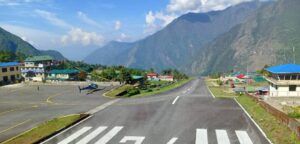
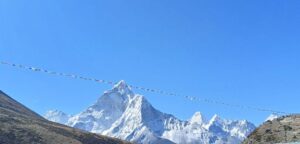
Gokyo Lake Trek begins with a thrilling flight from Kathmandu to Lukla (2,860m), said to be the world’s most adventurous airport. Trekking from Lukla, the trail follows the Dudh Koshi River, passing through breathtaking Sherpa villages such as Phakding (2,610m) and Namche Bazaar (3,440m), the gateway to Everest. Namche Bazaar is a lively trading town and good acclimatization point, with the chance to view Sherpa culture, attend monasteries, and enjoy the first stunning views of Mount Everest and Ama Dablam.
Instead of trekking to Everest Base Camp from Namche Bazaar, the Gokyo Lake Trek takes another route, following the trekkers through Dole (4,038m) and Machhermo (4,470m) to the grand Gokyo Valley. The route is harder as one ascends higher, but the views become increasingly breathtaking. The trail passes through dense rhododendron forests, yak pastures, and common Sherpa villages, with occasional glimpses of Himalayan wildlife such as musk deer, Himalayan thars, and Danphe (Nepal’s national bird).
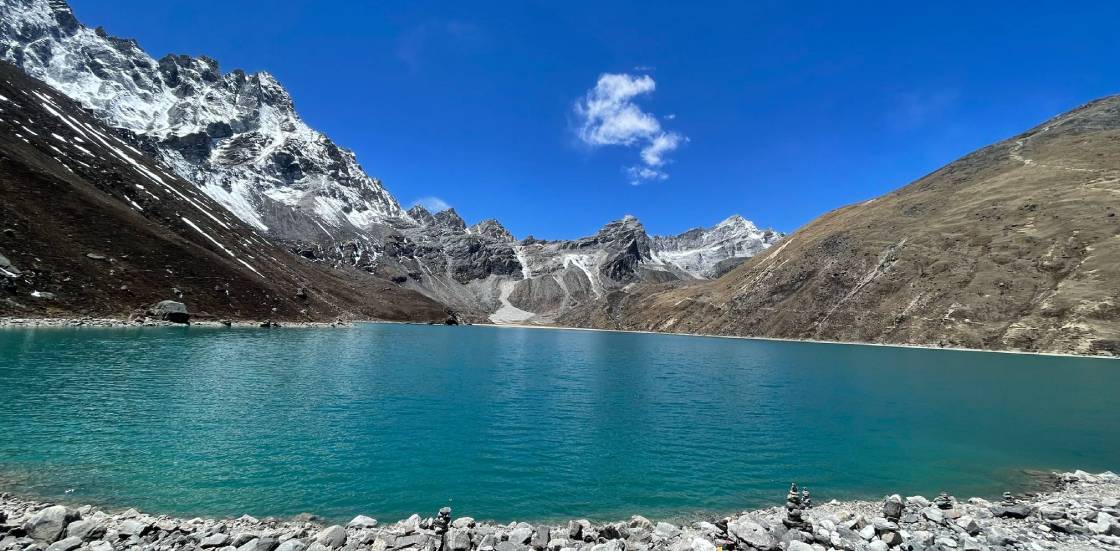
The most exciting part of the hike is when reaching the Gokyo Lakes, a chain of six spectacular glacial lakes situated at an elevation of over 4,700 meters. The third one, Dudh Pokhari, is the most visited and most photographed, where the tiny hamlet of Gokyo (4,790m) is situated. The image of Cho oyu (8,188m) reflected in the crystal blue waters of the lake is a surreal sight. These lakes are holy to Hindus as well as Buddhists, and they add a religious touch to the journey.
For the best view of Mount Everest, a sunrise trekking to Gokyo Ri (5,357m) is certain. It is a challenging hike but offers the most wonderful panorama in the Himalayas with four of the world’s highest peaks – Everest (8,848m), Lhotse (8,516m), Makalu (8,485m), and Cho Oyu (8,188m).
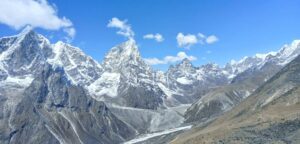
This viewpoint is also where one can see the enormous Ngozumpa Glacier, Nepal’s longest glacier, stretching below like an icy river. The 360-degree panorama of snow-tipped peaks, blue lakes, and glacial valleys makes the ascent to Gokyo Ri one of the greatest rewards of the trek.
After soaking in the scenic beauty, the return journey is the same path again via Machhermo, Dole, and Namche Bazaar, and finally back to Lukla for a return flight to Kathmandu. The easy decline of the trek offers trekkers a chance to reflect on the unforgettable beauty and thrill of the Himalayas. Gokyo Lake Trek is great for tourists looking for less crowd, but equal beauty compared to the Everest Base Camp trek.
It offers a unique blend of grand scenery, Sherpa culture, high-altitude trekking, and pristine glacial lakes. While the trek is challenging due to the high altitude, it is well worth it to those who want an unparalleled Himalayan experience. The serene environment of the Gokyo Lakes, the towering summits that form the rim of the valley, and the excitement of crossing high-altitude terrain make this trek an unforgettable journey to the very heart of the Everest region.
Gokyo Lake Trek is a wonderful experience that leads trekkers to the heart of the Everest region, with a mix of glacial lakes at high altitude, massive Himalayan giants, and remote Sherpa villages. In contrast to the highly populated Everest Base Camp trek, this trek provides a sense of silence and solitude through which trekkers can observe the pristine beauty of Gokyo Valley. The climax of trekking, the six majestic blue Gokyo Lakes, amidst the mighty mountains, is a sight to remember. The ascent to Gokyo Ri (5,357m), one of the best lookout points in the region, gives the trekker a panoramic view of four of the world’s highest peaks—Everest, Lhotse, Makalu, and Cho Oyu.
The most satisfying aspect of the Gokyo Lake Trek is the opportunity to experience Sherpa culture. On the trek, trekkers have the opportunity to pass through villages such as Namche Bazaar, Dole, and Machhermo and mingle with the friendly locals, observe ancient monasteries, and understand the religion and lifestyle of the inhabitants of the Himalayas. The trek also provides a chance to witness the incredible biodiversity of Sagarmatha National Park, and the rare fauna comprises the Himalayan thar, musk deer, and Danphe (the national bird of Nepal).
There is nothing to detract from the trek’s beauty though. The high altitude gain and steep altitude gain require the trekker to be physically fit and able to cope with harsh Himalayan conditions. However, with proper acclimatization and a gradual pace, the trek is a feasible and greatly rewarding experience. The success of reaching Gokyo Lakes and Gokyo Ri is not to be matched, making the effort well worth it. Overall, the Gokyo Lake Trek is the perfect choice for a substitute for the Everest Base Camp trek, offering a peaceful, less-touristy path with more-than-natural beauty and cultural richness.
The combination of pristine glacial lakes, towering mountains, traditional Sherpa villages, and the thrill of high-altitude trekking makes this trek one of the most memorable Himalayan treks. It may be the tranquility of the emerald-blue lakes, the grandeur of the white-capped peaks, or the Sherpa hospitality, every moment of the trek leaves a lasting impression. For nature lovers and adventurers both, Gokyo Lake Trek offers a lifetime experience a poignant journey to the magical Himalayas of Nepal.
Itinerary
We begin the trip with your arrival at the Tribhuvan International Airport. To make things easier, we’ll send one of our staff to pick you up and drop you at the hotel.Overnight at the hotel.
The journey from Kathmandu to Phakding begins with a scenic 30–40 minute flight to Lukla (2,860m), the gateway to the Everest region.
Flights often depart from Ramechhap during peak seasons due to air traffic. From Lukla, the trek to Phakding (2,610m) takes around 3–4 hours, descending gradually through villages like Chheplung and crossing several suspension bridges over the Dudh Koshi River.
The trail is well-defined and offers stunning views of the surrounding hills and peaks. Phakding is a peaceful village by the river, ideal for the first night’s acclimatization.
The trek from Phakding (2,610m) to Namche Bazaar (3,440m) is a challenging yet rewarding day, typically taking 6–7 hours. The trail follows the Dudh Koshi River, crossing several suspension bridges, including the iconic Hillary Bridge.
You’ll pass through beautiful pine forests and small Sherpa villages like Monjo and Jorsalle, where your Sagarmatha National Park permit will be checked.
The final ascent to Namche is steep and demanding, but offers your first glimpses of Mount Everest on a clear day. Namche Bazaar, the vibrant heart of the Khumbu region, welcomes trekkers with its cafés, shops, and stunning mountain views.
An acclimatization day at Namche Bazaar (3,440m) is essential to help your body adjust to the altitude and reduce the risk of altitude sickness. Rather than resting completely, trekkers are encouraged to take a short hike to higher elevations and return to sleep lower — a key acclimatization principle.
A popular day excursion is the hike to the Everest View Hotel (3,880m), which offers breathtaking views of Everest, Lhotse, Ama Dablam, and Thamserku. On the way, you can visit the Syangboche airstrip and the Sherpa Culture Museum. The hike takes 3–4 hours round trip and provides excellent photo opportunities. After returning to Namche, you can explore its bustling market, visit bakeries, or relax at a teahouse while continuing to hydrate and rest.
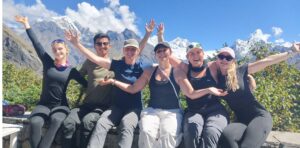
The trek from Namche Bazaar (3,440m) to Dole (4,038m) takes about 5–6 hours and marks the start of the quieter Gokyo Valley route. The trail climbs steadily out of Namche, passing through rhododendron and pine forests with views of Ama Dablam, Thamserku, and Kangtega.
After reaching the village of Kyangjuma, the path branches off from the Everest Base Camp route at Sanasa and ascends steeply towards Mong La (3,975m), a small ridge-top settlement with stunning panoramic views.
From there, the trail descends to Phortse Tenga and then climbs through forests to reach Dole, a small, peaceful village surrounded by alpine terrain. This is a good spot for rest and acclimatization as you gain significant altitude.
The trek from Dole (4,038m) to Machhermo (4,470m) takes around 4–5 hours and continues through the beautiful, high-altitude Gokyo Valley. The trail climbs steadily along the Dudh Koshi River, with breathtaking views of snow-capped peaks like Cho Oyu and Cholatse.
You’ll pass through small settlements such as Lhabarma and Luza, where you can take short breaks. The landscape becomes more barren and rugged as you gain altitude, with fewer trees and more alpine shrubs.
Machhermo is a small, scenic village nestled in a wide valley, known for its dramatic mountain views and proximity to the site of a famous (alleged) yeti sighting. Upon arrival, it’s important to rest, stay hydrated, and allow your body to adjust to the higher elevation.
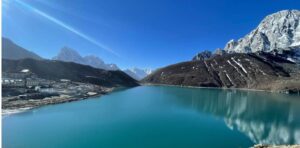
The trek from Machhermo (4,470m) to Gokyo (4,750m) takes around 4–5 hours and offers stunning high-altitude scenery throughout. The trail climbs gradually along the Dudh Koshi valley, with incredible views of Cho Oyu, the sixth-highest mountain in the world.
You’ll pass by chortens, prayer flags, and small stone huts as you make your way up. Along the route, you’ll encounter a series of beautiful turquoise lakes, starting with Longpongo (4,690m) and then Taboche Tsho.
After passing these glacial lakes, you’ll reach the village of Gokyo, situated beside the third and largest lake, Dudh Pokhari. Gokyo is a peaceful and picturesque village surrounded by towering peaks and glaciers, making it a perfect place to rest and acclimatize before exploring further.
An acclimatization day at Gokyo (4,750m) is essential before ascending further and offers a perfect opportunity for breathtaking exploration.
The most popular excursion is the early morning hike to Gokyo Ri (5,357m), a steep 2–3 hour climb that rewards you with panoramic views of four of the world’s highest peaks: Everest, Lhotse, Makalu, and Cho Oyu, along with the vast Ngozumpa Glacier — the longest in the Himalayas.
Alternatively, you can hike north along the valley to the Fifth Gokyo Lake (Ngozumpa Tsho), which takes about 4–5 hours round trip. This quieter route offers close-up views of Cho Oyu and the upper glacier.
After the hike, you return to Gokyo to rest, hydrate, and prepare for the next stage of the trek. This day is not only visually rewarding but crucial for altitude adjustment.
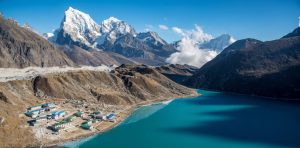
The day begins with an early morning hike to Gokyo Ri (5,357m), one of the most spectacular viewpoints in the Everest region.
The climb is steep and challenging, taking around 2–3 hours, but the effort is rewarded with breathtaking 360° views of Mount Everest, Lhotse, Makalu, Cho Oyu, and the vast Ngozumpa Glacier stretching below. Watching the sunrise over the Himalayas from Gokyo Ri is a truly unforgettable experience.
After descending back to Gokyo for breakfast and some rest, you begin your return trek to Machhermo (4,470m), which takes about 3–4 hours. The trail follows the same scenic route along the Dudh Koshi valley, passing the series of beautiful glacial lakes and small settlements.
It’s a steady descent, and you’ll find it easier on your lungs as you lose altitude. The night at Machhermo offers a more comfortable rest after a high-altitude day.
The trek from Machhermo (4,470m) back to Namche Bazaar (3,440m) is a long but rewarding descent, usually taking about 6–7 hours. The trail retraces the route through alpine forests and Sherpa villages, crossing several suspension bridges over the Dudh Koshi River.
As you descend, the air becomes warmer and vegetation denser, making the walk more comfortable. Arriving in Namche Bazaar, the bustling Sherpa hub, you can enjoy its lively markets, cafés, and stunning mountain views, a perfect place to rest and prepare for the next stage of your trek.
Today you’ll trek from Namche Bazaar back down to Lukla (2,800m), retracing the trail through forests, rivers, and traditional Sherpa villages. The descent is generally easier on the knees but still requires careful footing on uneven paths and suspension bridges.
Along the way, enjoy the beautiful views of the surrounding peaks and the lively local culture. The trek usually takes around 8 to 9 hours, ending with your arrival in Lukla, where you can relax and prepare for your flight back to Kathmandu the next day.
After an early breakfast, you’ll take a scenic flight from Lukla (2,800m) back to Kathmandu (1,300m). The flight offers breathtaking aerial views of the Himalayan peaks and the valleys below, providing a memorable end to your trekking adventure.
Once you arrive in Kathmandu, you’ll be transferred to your hotel where you can relax, freshen up, and celebrate the completion of your incredible journey in the Everest region.
Today marks the end of your unforgettable journey. After breakfast, you will check out from your hotel and be transferred to Tribhuvan International Airport for your onward flight to your next destination.
We hope you take with you wonderful memories of the Himalayas, the vibrant culture, and the incredible experiences you’ve had along the way. Safe travels and we look forward to welcoming you again in the future.
Cost Include
- Pick up from airport and transfer to hotel
- 3-night hotel accommodation in Kathmandu with Breakfast.(Tourist Standard)
- Both way air ticket (KTM-LUKLA-KTM) for the Member & Guide including Airport tax.
- Local Development Fee for Everest region.
- Sagarmatha (Everest) National park fee.
- Fresh Meals on full board ( Breakfast/Lunch/Dinner) with Hot drinks and Tea/ Coffee.
- Basic First Aid Kid
- Trekking Equipment(Sleeping Bag, Down Jacket, Trekking Pole) if required, Need to returned after the trek
- Trekking Duffel Bag and Trekking route Map
- An English Speaking( Govt. Licensed Holder) Local Expert Trekking Guide, Assistant Guide & Porters (as per group size).
- All applicable government taxes/ local charges.
- Staff daily wages, insurance, equipment, domestic airfare, food, and accommodation.
- Welcome or Farewell dinner in a typical Nepali restaurant with Cultural program in Kathmandu.
Cost Exclude
- International airfare.
- Nepal Visa Fees
- Lunch and Dinner during your stay in Kathmandu (except special dinner).
- Personal expenses: phone call, laundry, bar bills, battery recharge, mineral water & hot shower.
- Rescues, repatriation, medicines, medical tests, and hospitalization expenses.
- Tips for Guide and Porters.
- Any additional staff other than specified.
FAQs
Gokyo Lake Trek is a scenic and less-crowded alternative to the classic Everest Base Camp trek in the Everest region of Nepal. This trek leads you to the stunning Gokyo Valley, home to a series of turquoise glacial lakes and surrounded by some of the world’s highest peaks, including Everest, Lhotse, and Cho Oyu.
One of the highlights is climbing Gokyo Ri (5,357 meters) for a breathtaking panoramic view of the Himalayas. The trek also includes crossing remote Sherpa villages, experiencing local culture, and walking alongside the massive Ngozumpa Glacier, the largest in Nepal.
The Gokyo Lake Trek is considered moderately difficult. While it doesn’t involve technical climbing, it does require good physical fitness due to the high altitude, with the highest point being Gokyo Ri at 5,357 meters.
Trekkers walk 5–7 hours a day over varied terrain, including steep ascents and rocky paths. Altitude sickness can be a concern, so proper acclimatization is important. Compared to the Everest Base Camp trek, it’s slightly less crowded but equally rewarding in terms of scenery and adventure.
The best time to do the Gokyo Valley trek is during the spring (March to May) and autumn (September to November) seasons. These months offer clear skies, mild temperatures, and excellent visibility of the mountains and turquoise lakes.
Spring adds colorful rhododendron blooms along the trail, while autumn provides crisp air and stable weather conditions after the monsoon. These periods are ideal for safe trekking and enjoying the stunning Himalayan landscapes at their best.
The Gokyo Lake Trek typically takes about 12 to 14 days to complete. This includes trekking time from Lukla, acclimatization days to adjust to the altitude, and exploring the beautiful Gokyo Lakes and Gokyo Ri. The exact duration can vary depending on the chosen route and pace.
Tea houses on the Gokyo Lake Trek are similar to those on the Everest Base Camp route, offering basic but comfortable accommodation in every major village along the way. Rooms typically have twin beds with shared bathrooms, though a few may offer private facilities at lower elevations.
These tea houses serve a variety of meals, including Nepali dal bhat, soups, pasta, and pancakes, with warm communal dining areas often heated by a stove.
Amenities like hot showers, Wi-Fi, and charging points are available for a fee. While generally more peaceful and less crowded than the EBC route, the facilities are slightly more limited the higher you go, especially in places like Gokyo itself.
For the Gokyo Lake Trek , you’ll need similar trekking gear as for other high-altitude Himalayan routes. Essential items include layered clothing (thermal base layers, fleece, insulated down jacket, and waterproof outer shell), sturdy trekking boots, warm socks, gloves, a hat, and UV-protection sunglasses.
A quality sleeping bag (rated to -10°C or lower), trekking poles, a headlamp, and a daypack (30–40L) are also important. Bring water purification tablets, sunscreen, lip balm, basic first aid supplies, and toiletries. Lightweight, moisture-wicking clothes and gear suited for cold, changing weather conditions are key to staying safe and comfortable.
Yes, travel insurance is highly recommended and often required for the Gokyo Lake Trek, especially since it involves high-altitude trekking above 5,000 meters. Your insurance should cover emergency medical expenses, altitude sickness treatment, and helicopter evacuation, which can be extremely costly without coverage.
Many trekking agencies in Nepal require proof of such insurance before starting the trek. It’s also wise to include coverage for trip cancellations, lost baggage, and delays, given the unpredictable weather and flight conditions in the Himalayas.
Price Per Person
$1412