Classical EBC Trek

Trek Duration
21 days

Best time to go
Sep-Nov, Mar-May

Group Size
1-15 People

Max Trekking Altitude
5,545 meter

Accommodation
Teahouse

Trek Grade
moderate

Area
Everest Region

Hours of Walking
4-9 Hours per day

Start point - End point
Kathmandu
Classical EBC Trek / Jiri to Everest Basecamp trek
Classical EBC Trek is the authentic and off-the-beaten-track experience to one of the world’s most renowned trekking destinations. It starts from Jiri, a town in Nepal’s eastern part, and brings tourists through the most ideal experience of the natural scenery and affluent cultural legacy of the Everest region.
Jiri Trek is a beautiful and thrilling trek with less touristy and more genuine access to Mount Everest base. It is different from the short trek to Lukla in that it starts in the rural town of Jiri, some 190 kilometers east of Kathmandu. Along a highly scenic drive from Jiri to Kathmandu, the trekkers begin the trekking hike on productive green hills, farm plains, and closed forest, gradually climbing up to the very heart of the Khumbu.
The trekking trail also gives the trekkers a glimpse of rural Nepal’s landscape, passing through villages such as Shivalaya, Bhandar, and Namche Bazaar. Here, trekkers also have a chance to meet and communicate with local Sherpas and know about their way of life and culture.It is a trek well sought after by trekkers who do not wish to follow the crowded Lukla route but still wish to have access to Everest Base Camp. The trek features alternating scenery ranging from green rolling hills and terracing agricultural farms to alpine woodland and mountain dry ridges on EBC Classical trek.
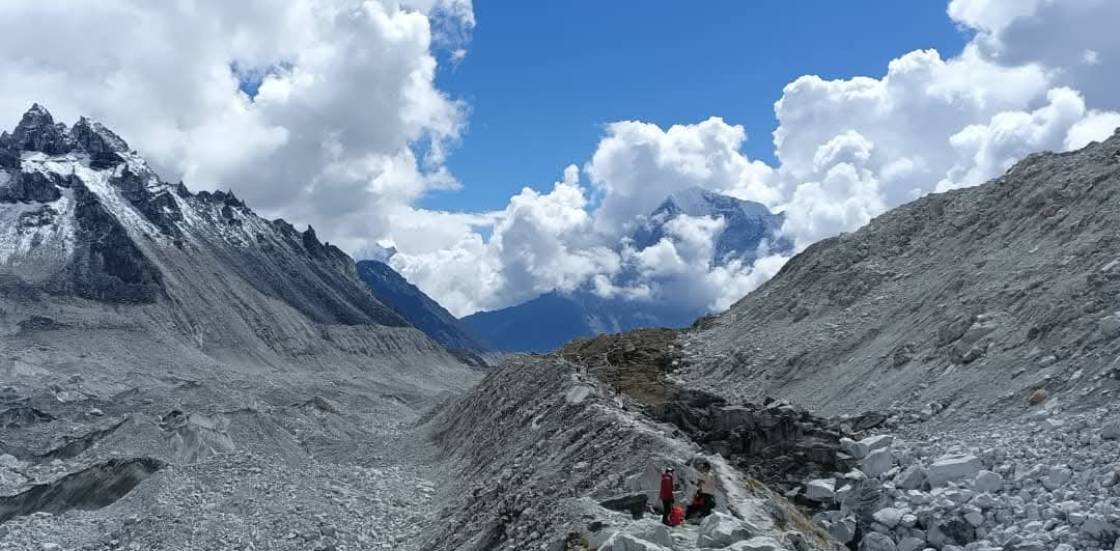
Motorable drive from Jiri to Kathmandu is done first and then later one treks through Sherpa villages and forests. The trek goes progressively higher, with stunning vistas of nearby peaks such as Makalu, Lhotse, and the mighty Everest itself on the Classical EBC Trek. Unlike more used tourist routes, the trek is longer, typically 18-20 days, with superb acclimatization. It is a chance for the trekkers to see the culture of the locals, visit the old monasteries, and witness the vibrant culture of the region.
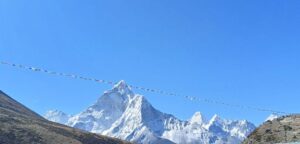
The trek finally stop in the Tengboche Monastery where the trekker gets blessed with a fantastic view of Everest and Ama Dablam which makes the memory of an individual forever. Having finally reached Everest Base Camp, at an altitude of 5,364 meters (17,598 feet), you are greeted by the breathtaking beauty of Mount Everest and the mountains beyond. And having done something truly extraordinary after all this walking for so many days, the sense of having made it here is exhilarating. Classical EBC trek
Classical EBC Trek is suitable for tourists wanting less crowded and more original experience to Everest. It’s a trek where the traveler can discover the Everest region at his/her own pace with great scenery, culture, and Himalayan landscapes. Classical EBC trek
Classical EBC Trek is a unique and worthwhile experience for travelers who want a quiet and more original experience in the Everest region. More challenging and longer than the trek to Lukla, the trek provides tourists with the luxury of experiencing the beauty of Nepal at their own leisure, plenty of time to acclimatize and sample Sherpa culture. While as much a journey as to be able to pay for nothing but awe-inspiring vistas of the world’s highest peak, Mount Everest, the trek also reveals Nepal’s countryside in all its unspoiled richness, from millennium-old monasteries to traditional villages.
Arriving at Everest Base Camp after days of sheer hard work and determination is a heroic accomplishment. For all those who wish to see the Everest region at the least commercialization and in its natural state, the Classical EBC Trek is a challenging trek that will be remembered vividly.
Hello Nepal Trek is always waiting to serve you better services with local guide & porter and We always care about Safety & satisfaction of the guest & worker both. Namaste
Itinerary

Cost Include
- Airport pick up and transfer by private vehicle as per the itinerary
- Welcome & farewell dinner at Kathmandu
- 3 nights Hotel Accommodation in Kathmandu on twin sharing including breakfast
- Kathmandu city tour inclusive of transportation, & professional English Speaking City tour guide
- Land Transport Kathmandu-Jiri
- Accommodation during the trek at Teahouse s/lodges on twin sharing
- Meals (Breakfast, Lunch, and Dinner) with Tea & coffee during the trek
- Safe drinking water during the trek
- Highly experienced (Government licensed holder) local trek leader and necessary Sherpa porters during the trek and there, food, accommodation, salary, equipment and insurance
- Trekking equipment (sleeping bag, down jacket & trekking pole) if require
- Village Development Fee
- Sagarmatha National Park entrance Permit fee
- Group First Aid medical kit
- Free use of Company’s duffel bag & trekking route map
- All applicable Government taxes including 13% VAT
Cost Exclude
- International airfare & applicable visa charge to Nepal
- Any meals (except breakfast, welcome & farewell dinner) in Kathmandu
- Emergency rescue by helicopter
- Medical & travel insurance
- Expenses of personal nature on laundry, phone call, and internet
- Personal clothes & their travel bag
- Bottled drinks (mineral water, and cold drinks & alcoholic drinks), hot shower
- Tips & Gratuities for trekking guide & porter (s)
FAQs
The Classical EBC trek is a classic and historically significant trekking route in Nepal that follows the original path taken by early Everest expeditions before the Lukla airport was built. Starting from the small town of Jiri, about an 8-hour drive from Kathmandu, this route adds several days to the standard EBC trek, offering a more gradual ascent and better acclimatization.
Trekkers pass through traditional villages, lush forests, terraced farmlands, and scenic river valleys, experiencing the rich culture and hospitality of the local people, mainly from the Sherpa, Rai, and Tamang communities. The trail eventually joins the main Everest route at Namche Bazaar and continues on to Everest Base Camp and Kala Patthar.
Though longer and more physically demanding, the Jiri to EBC trek is quieter and more immersive, ideal for those looking to experience the journey to Everest the way early mountaineers did.
Choosing the Classical EBC trek offers a more authentic, off-the-beaten-path experience compared to the standard route starting from Lukla. This longer trek allows for better acclimatization, reducing the risk of altitude sickness, as it gradually ascends through diverse landscapes and traditional villages.
Along the way, trekkers experience the rich cultural heritage of various ethnic groups, especially the Sherpa, Tamang, and Rai people, while enjoying lush forests, terraced fields, and stunning mountain views. The trail is less crowded in the early stages, offering a peaceful and immersive journey.
For those seeking a deeper connection with the region, a greater physical challenge, and a sense of adventure following the footsteps of early Everest climbers, the Jiri to Everest Base Camp trek is a rewarding and memorable choice.
The Classical EBC trek is considered moderately to highly difficult due to its longer duration, greater elevation gain, and continuous ups and downs through rugged terrain. Unlike the standard trek from Lukla, this route begins at a much lower altitude, meaning trekkers must first climb and descend many hills before even reaching Namche Bazaar, the main gateway to Everest.
The trek typically takes around 22 to 24 days, requiring good physical fitness, stamina, and mental determination. While the gradual ascent helps with acclimatization, the extra days of trekking, variable weather, and basic facilities in remote areas can be physically and mentally demanding.
This trek is ideal for experienced trekkers or those looking for a greater challenge and a more traditional Himalayan journey.
The Classical EBC trek usually takes about 22 to 24 days to complete. This longer duration is because the trek starts at a much lower altitude in Jiri and follows the original, more gradual route to Everest Base Camp, allowing for better acclimatization along the way.
The extra days are spent trekking through traditional villages, forests, and mountainous terrain before reaching the popular Everest region trails around Namche Bazaar. This extended timeline gives trekkers more time to adjust to the altitude, making the overall journey safer and more rewarding, especially for those who prefer a slower, more immersive experience.
On the Classical EBC trek, you will reach altitudes as high as 5,364 meters (17,598 feet) at Everest Base Camp itself.
Along the way, key high points include Namche Bazaar at about 3,440 meters (11,286 feet), Tengboche Monastery at around 3,860 meters (12,664 feet), and Kala Patthar, a popular viewpoint near Everest Base Camp, which stands at approximately 5,545 meters (18,192 feet).
Since the trek starts at a much lower elevation in Jiri—around 1,900 meters (6,230 feet)—the journey involves a gradual but steady climb through diverse landscapes, helping trekkers acclimatize as they ascend to these high Himalayan altitudes.
During the Classical EBC trek, you’ll find a variety of simple but hearty foods served in the tea houses along the trail. The staple meal is usually dal bhat — a traditional Nepali dish of steamed rice, lentil soup, and vegetable curry — which provides good energy for trekking. Other common options include noodles, fried rice, momos (Tibetan-style dumplings), soups, and sometimes pasta or eggs.
Fresh vegetables and fruits can be limited in remote areas, so many meals rely on preserved or dried ingredients. Tea houses often serve hot beverages like Nepali milk tea, ginger tea, or butter tea to help warm you up.
It’s a good idea to carry some energy bars or snacks for long trekking days, but overall, the food along the route is nutritious and filling enough to support your energy needs.
Yes, travel insurance is highly recommended—and often essential—for the Classical EBC trek. Since the trek involves trekking at high altitudes (up to over 5,300 meters), in remote mountain areas with limited medical facilities, having insurance that covers high-altitude trekking, emergency medical treatment, and helicopter evacuation is very important.
Accidents, altitude sickness, and unexpected weather conditions can happen, and travel insurance gives you peace of mind and financial protection in case of emergencies. Many trekking agencies in Nepal require proof of travel insurance before allowing you to start the trek.
The best time to do the Classical EBC trek is during the pre-monsoon (spring) and post-monsoon (autumn) seasons, typically between March to May and late September to November. During these periods, the weather is generally clear and stable, offering spectacular views of the Himalayan peaks and pleasant temperatures for trekking.
Spring brings blooming rhododendrons and warmer days, while autumn provides crisp air and vibrant skies. The monsoon season (June to early September) is usually avoided because heavy rains can cause slippery trails, landslides, and limited visibility.
Winter months (December to February) are colder, with the possibility of snow and harsh conditions, making trekking more challenging. Choosing the spring or autumn windows ensures safer and more enjoyable trekking conditions on the longer Jiri route.
Price Per Person
$2832