10 Days Everest Panorama Trek

Trek Duration
10 days

Best time to go
Sep-Nov, Mar-May

Group Size
2-25 People

Max Trekking Altitude
3867m

Accommodation
Teahouse

Trek Grade
moderate

Area
Everest Region

Hours of Walking
4-9 Hours per day

Start point - End point
Kathmandu
The Everest Panorama Trek is one of the most breathtaking and rewarding short treks in the Everest region, offering trekkers a glimpse of the world’s highest peaks without requiring extensive trekking experience or long days of hiking. This trek is a perfect blend of natural beauty, cultural exploration, and adventure, making it an excellent choice for those who wish to witness the majesty of Mount Everest and other towering Himalayan peaks in a relatively short period. Unlike the more demanding Everest Base Camp Trek, which takes around two weeks to complete, the Everest Panorama Trek typically lasts 7 to 10 days, making it ideal for travelers with limited time or those seeking a moderate trekking challenge.
Way to Everest Panorama Trek
The journey begins with a thrilling flight from Kathmandu to Lukla, one of the most adventurous airstrips in the world. Lukla, at an altitude of 2,860 meters, serves as the gateway to the Khumbu region and the Everest trekking routes. From here, trekkers embark on a picturesque hike through charming Sherpa villages, lush rhododendron forests, and deep river valleys. The trek follows the classic Everest Base Camp trail, passing through popular stops like Phakding, Namche Bazaar, Tengboche, and Khumjung. These villages are known for their warm Sherpa hospitality, vibrant Buddhist culture, and stunning mountain vistas.
Major Highlight of Everest Panaroma Trek
A major highlight of the Everest Panorama Trek is Namche Bazaar (3,440 meters), often referred to as the “Gateway to Everest.” This lively town is the commercial and cultural hub of the Everest region, offering trekkers a perfect place to acclimatize while enjoying the stunning views of Everest (8,848.86m), Lhotse (8,516m), Nuptse (7,861m), Ama Dablam (6,812m), and Thamserku (6,608m). Trekkers can explore Namche’s markets, visit the Everest View Hotel, or take a short hike to Syangboche for panoramic mountain views.
Another unforgettable part of the trek is visiting Tengboche Monastery (3,867m), the largest and most significant Buddhist monastery in the region. Set against the backdrop of Ama Dablam, Tengboche offers a spiritual experience like no other.
The monastery is a center for Buddhist learning and religious festivals, such as the famous Mani Rimdu festival, which attracts monks and pilgrims from all over the Himalayas. The peaceful atmosphere, combined with the awe-inspiring mountain scenery, makes this a perfect spot for meditation and reflection.
The Everest Panorama Trek is known for its moderate difficulty level, making it suitable for trekkers of all ages and fitness levels. While the trek involves some steep ascents and high-altitude trekking, it does not go beyond 4,000 meters, significantly reducing the risk of altitude sickness compared to longer treks like Everest Base Camp or Gokyo Lakes. The well-marked trails, comfortable teahouses, and the gradual ascent pattern make this trek accessible for beginners and families looking for a Himalayan adventure.
In addition
In addition to Everest Panorama Trek is natural beauty, the trek provides a deep cultural experience. The Khumbu region is home to the legendary Sherpa people, known for their resilience, mountaineering skills, and rich traditions. Trekkers have the opportunity to interact with locals, learn about their daily lives, and experience traditional Sherpa cuisine. Visits to Buddhist chortens (stupas), prayer wheels, and monasteries offer insight into the deeply rooted Tibetan Buddhist culture that thrives in the Everest region.
Overall, the Everest Panorama Trek is a perfect introduction to the Himalayas, offering stunning views, cultural immersion, and a rewarding trekking experience without the extreme challenges of longer and higher-altitude treks. Whether you are an adventurer seeking a short yet fulfilling Himalayan journey or a nature lover yearning to witness the grandeur of Everest up close, this trek is a truly unforgettable experience.
Itinerary
We begin the trip with your arrival at the Tribhuvan International Airport. To make things easier, we’ll send one of our staff to pick you up and drop you at the hotel.Overnight at the hotel.
On your second day in Kathmandu, you’ll have ample time to rest and attend a trip briefing to prepare for your upcoming trek. Following the briefing, you’ll embark on a 4-5 hour sightseeing tour of some of Kathmandu’s most iconic UNESCO World Heritage sites.
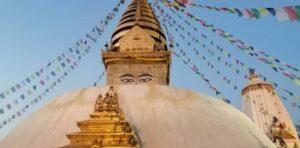
The tour includes visits to Kathmandu Durbar Square, Swayambhunath Temple (Monkey Temple), Boudhanath Stupa, and Pashupatinath Temple, each offering unique cultural and spiritual experiences.
After the tour, you’ll have the remainder of the day to relax at your hotel. Overnight at the hotel, with breakfast included.
The journey begins with a scenic early morning flight from Kathmandu to Lukla (2,800m), a thrilling 30-minute ride offering breathtaking views of the Himalayas. Upon arrival at Lukla, the trek to Phakding (2,652m) begins, taking about 3 to 4 hours.
The trail descends gradually through forests of pine and rhododendron, passing charming Sherpa villages like Chheplung and crossing several suspension bridges over the Dudh Koshi River. Phakding is a peaceful riverside village and an ideal spot to rest and acclimatize on your first night in the Everest region.
The trek from Phakding (2,610 meters) to Namche Bazaar (3,440 meters) is one of the most iconic and challenging sections of the Everest region journey, typically taking 6 to 7 hours.
Leaving Phakding, the trail continues along the Dudh Koshi River, passing through beautiful pine forests and crossing several high suspension bridges, including the famous Hillary Bridge.
The path winds through villages like Monjo and Jorsalle, where trekkers enter the Sagarmatha National Park, a UNESCO World Heritage Site. From Jorsalle, the trail begins a long and steep ascent toward Namche Bazaar. This uphill climb can be physically demanding, especially as altitude begins to take effect. However, the effort is rewarded with the first glimpses of Mount Everest on a clear day.
Namche Bazaar, nestled in a natural amphitheater, is the main trading hub of the Khumbu region and offers comfortable lodges, shops, and cafes, making it an ideal place to rest and acclimatize.
During your acclimatization day in Namche Bazaar (3,440m), you can enjoy a relaxed stroll around the vibrant town, known for its local markets, bakeries, and Sherpa culture. To aid acclimatization, a short hike to the Everest View Hotel (3,880m) is highly recommended.
The uphill walk takes about 2–3 hours round trip and rewards you with stunning panoramic views of Mount Everest, Lhotse, Ama Dablam, and other surrounding peaks. It’s a great way to adjust to the altitude while experiencing some of the region’s most iconic scenery.
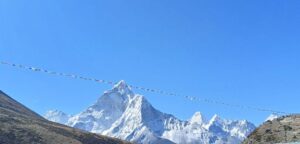
The trek from Namche Bazaar (3,440m) to Tengboche (3,867m) takes around 6 to 7 hours and is one of the most scenic sections of the Everest Base Camp route.
The trail begins with a relatively easy walk along the ridge with panoramic views of Everest, Lhotse, and Ama Dablam, before descending to the Dudh Koshi River at Phunki Tenga.
After crossing the river, a steep uphill climb through pine and rhododendron forests leads you to the spiritual heart of the Khumbu region—Tengboche Monastery, the largest in the area. The monastery offers a serene atmosphere and stunning mountain views, making it a memorable overnight stop.
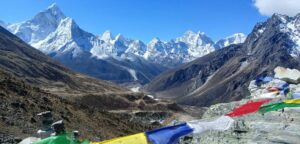
The trek from Tengboche (3,867m) back to Namche Bazaar (3,440m) takes around 5 to 6 hours and follows the same route down through lush rhododendron and pine forests.
After a steep descent to the Dudh Koshi River at Phunki Tenga, the trail gradually climbs back up toward the ridge, offering final glimpses of majestic peaks like Ama Dablam and Everest.
As you approach Namche, the trail becomes easier, and you’ll re-enter the lively Sherpa town where you can relax, enjoy a warm meal, and reflect on your trekking experience in the Everest region.
The trek from Namche Bazaar (3,440m) to Lukla (2,840m) takes approximately 8 to 9 hours, making it one of the longest walking days of the trek. The trail descends steeply at first, passing through forests, suspension bridges, and traditional villages such as Monjo and Phakding.
Though mostly downhill, the trek includes some uphill sections toward the end, especially as you near Lukla. Despite the long day, it’s a rewarding final walk through the Dudh Koshi Valley, filled with beautiful scenery and a chance to revisit the villages you passed at the beginning.
Once in Lukla, you can relax and celebrate the completion of your Himalayan journey.
The flight from Lukla to Kathmandu takes around 35 minutes and offers a thrilling end to your trekking adventure. Departing from the famous Tenzing-Hillary Airport, the flight provides stunning aerial views of the Himalayas, rolling hills, and valleys as you descend into the Kathmandu Valley.
Weather conditions can affect flight schedules, so early morning departures are common to avoid afternoon wind and cloud buildup. Upon landing in Kathmandu, you’ll be transferred to your hotel to rest, explore, or enjoy a final celebration after completing your trek.
On your final departure day, you will be transferred to Tribhuvan International Airport in Kathmandu in time for your flight. Your guide or driver will ensure you arrive at least 3 hours before your international departure, allowing for check-in and security procedures.
As you leave Nepal, you’ll carry unforgettable memories of Himalayan landscapes, Sherpa hospitality, and your trekking adventure. Wishing you a safe journey and hoping to welcome you back for another adventure in the future!
Cost Include
- International and Domestic airport transfers Pick up and Drop
- KTM-LUKLA-KTM flight ticket
- 3-Nights hotel accommodation in double rooms with breakfast
- Accommodation while trekking in the best mountain lodges
- Full board meals (breakfast with tea/coffee, lunch, dinner) during the trek
- All trekking permits (National Park Permit, Entrance fee and TIMS)
- Porter service for members personal baggage
- Experienced and professional trekking guides
- Insurance, wages, and allowances for guides and porters
- Welcome Dinner with Hello Nepal treks team in Kathmandu
- Hello Nepal treks Duffle bags for all trekking maps
- Certificate of Achievement on successful completion of the trek
- A comprehensive First Aid Medical Kit
Cost Exclude
- International airfare and Nepal visa fee
- Personal travel, medical and rescue insurance
- Additional hotel stays in case of early arrival and late departure
- Lunch and dinner (except welcome & farewell dinner) in Kathmandu
- Internet, alcoholic beverages, mineral water, hot shower
- Tips for guides and porters
- Any other expenses which are not mentioned in our Price Includes section.
FAQs
The Everest Panorama Trek typically lasts 7 to 10 days, depending on your starting point and pace. It’s a shorter alternative to the full Everest Base Camp trek, designed for those who want stunning Himalayan views, including Mount Everest, without going to extreme altitudes.
The Everest Panorama Trek usually reaches up to Tengboche, which offers incredible mountain scenery and cultural highlights like the famous Tengboche Monastery.
The Everest Panorama Trek is considered a moderate trek, suitable for beginners with a good fitness level. It doesn’t go as high or as far as the full Everest Base Camp trek, with the highest point being Tengboche at around 3,867 meters.
While the trails involve uphill and downhill walking, the shorter duration and lower altitude make it less physically demanding and reduce the risk of altitude sickness, making it a great choice for those seeking a Himalayan experience without intense strain.
Altitude sickness is less of a risk on the Everest Panorama Trek compared to higher-altitude treks, but it’s still possible since the trek reaches elevations around 3,867 meters at Tengboche. Some trekkers may feel mild symptoms like headache, fatigue, or shortness of breath.
Taking time to acclimatize properly, staying hydrated, and ascending gradually helps minimize the risk. Though severe altitude sickness is rare on this route, it’s important to be aware and prepared.
The best time to do the Everest Panorama Trek is during the spring (March to May) and autumn (September to November) seasons. These months offer clear skies, stable weather, and the best mountain views, including a good chance to see Everest.
Spring brings blooming rhododendrons and colorful landscapes, while autumn offers crisp air and excellent visibility after the monsoon.
Winter (December to February) is possible but colder, and summer (June to August) sees heavy rain and cloud cover, making trekking less enjoyable.
Yes, travel insurance is highly recommended for the Everest Panorama Trek. While it’s not legally required, having insurance that covers emergency medical expenses, helicopter evacuation, and high-altitude trekking is essential for safety.
The trek reaches altitudes where medical assistance can be difficult to access, so proper coverage for unforeseen events like illness, injury, or trip cancellations is important. Many trekking agencies also require proof of travel insurance before starting the trek.
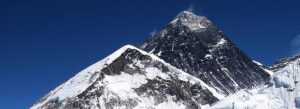
Yes, you can see Mount Everest on the Everest Panorama Trek. While the trek doesn’t go all the way to Everest Base Camp, it offers stunning views of the mountain, especially from key points like Tengboche and the surrounding ridges.
You’ll also get to enjoy views of other iconic peaks, such as Lhotse, Ama Dablam, and Nuptse, making it a great option for those wanting to experience the Everest region without the full trek to Base Camp.
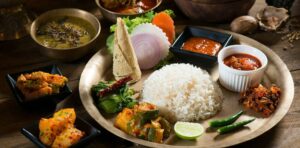
On the Everest Panorama Trek, you can expect to enjoy a variety of simple, hearty, and nourishing foods that help sustain your energy on the trail.
The staple meal is dal bhat, a traditional Nepali dish of rice, lentils, vegetables, and sometimes meat, which is often served with pickles and soup. Other popular options include momos (steamed or fried dumplings), noodles, fried rice, and soups like vegetable or chicken broth. For breakfast, you might find porridge, pancakes, or eggs.
Hot drinks such as tea, coffee, and garlic soup are commonly available and especially comforting at higher altitudes. While menus become more limited in remote areas, the food is generally fresh, filling, and designed to keep trekkers energized throughout their journey.
Tea houses on the Everest Panorama Trek are generally simple, comfortable lodges run by local families, offering basic accommodation and meals along the trail. Rooms are typically twin-sharing with wooden beds, foam mattresses, and blankets, though it’s advisable to bring a sleeping bag for extra warmth.
In villages like Namche Bazaar, some tea houses are more developed, offering private bathrooms, hot showers, and even Wi-Fi for an additional cost.
Dining rooms are communal and heated by wood or yak dung stoves, creating a cozy atmosphere where trekkers gather to eat and socialize. Meals are freshly prepared, with options like dal bhat, noodles, momos, and hot drinks.
While amenities become more limited at higher altitudes, the warm hospitality and scenic settings make the tea house experience an integral part of the trek.
Price Per Person
$1255