4 Days Thimphu Punakha Tour

Tour Duration
4 days

Best time to go
Sep-Nov, Mar-May

Group Size
2-25 People

Max Altitude
3100m

Accommodation
Tea Houses

Tour Grade
moderate

Area
Bhutan

Hours of Walking
2-3 hrs

Start point - End point
Kathamandu
About 4 DaysThimphu Punakha Tour
Thimphu Punakha Tour journey that is an enchanted adventure to the heart of the Himalayas, where history comes alive amidst awe-inspiring landscapes and vibrant culture. The tour moves through two of Bhutan’s most mythic cities Thimphu, the tranquil capital, and Punakha, the former-royal capital with an equanimous balance of spiritual heritage, natural beauty, and genial Bhutanese hospitality.
Thimphu Punakha Tour typically begins in Thimphu, Bhutan’s administrative and cultural capital. Contrary to most capitals, Thimphu is a charming small town with an easy-going lifestyle and no congestion. The city is nestled in a stunning valley amidst forested hills and mountains, which offer breathtaking scenery and serene atmosphere. A visit here is an excellent introduction to Bhutanese life as you are surrounded by local traditions, architecture, and spirituality.
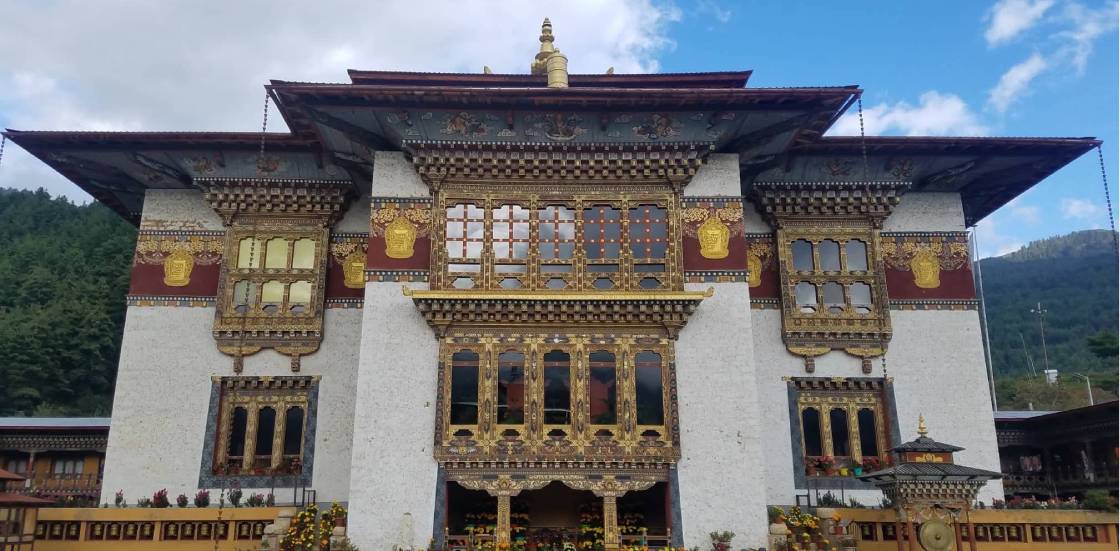
Without a doubt, the most spectacular of Thimphu’s monuments is the Buddha Dordenma, a gigantic golden statue of Buddha Shakyamuni, which sits perched on a hillside overlooking the valley. Standing in excess of 50 meters high, this statue not only is a representation of peace and happiness but also provides panoramic views of the city and mountains in the surrounding area. A little more distant is the Tashichho Dzong, a monastery-fortress and Bhutan’s seat of government as well as the king’s office. Its white walls, red roofs, and intricately carved woodwork are a testament to the beauty of Bhutanese traditional architecture.
Thimphu has some other intriguing cultural sights besides these. The National Memorial Chorten is a place of prayer and reflection, where locals are frequently seen twirling prayer wheels and praying. The Textile Museum and the Folk Heritage Museum expose the history, traditions, and art of Bhutan. For all art lovers, the School of Arts and Crafts demonstrates how meticulous the craftsmanship of Bhutanese artisans is while maintaining age-old skills. The colorful Thimphu Market is the place to shop for handicrafts, souvenirs, and sample local snacks. Thimphu Punakha Tour
After the discovery of Thimphu, the trip continues to Punakha, about a three-hour journey away, via some of Bhutan’s most stunning vistas. The trip Thimphu Punakha Tour itself is the prize, driving through green valleys, pine forests, and along the stunning Dochula Pass at 3,100 meters above sea level. From the pass, on a good day, there are stunning views of the Himalayan mountain chain, with white-tipped mountains merging into the horizon. The pass is also renowned for containing 108 memorial stupas (chortens) erected by the Queen Mother in honor of Bhutanese soldiers who died in a 2003 military operation.
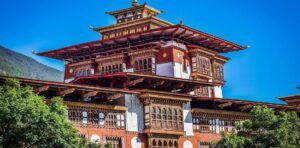
Punakha, the old winter capital of Bhutan, is famous for its stunning Punakha Dzong, which is more popularly known as the “Palace of Great Happiness.” The fortress, one of the best and most important in Bhutan, is located at the confluence of the Pho Chhu and Mo Chhu rivers. Whitewashed walls, golden roofs, and carved wooden decorations of the dzong provide a postcard-perfect view, particularly when the surrounding jacaranda trees around this time in spring erupt in purple blossom. Not only is the dzong a religious hub where festivals are celebrated and monks reside, but it also houses sacred relics of Bhutan’s spiritual guides. Thimphu Punakha Tour
In Punakha, you can also visit the Chimi Lhakhang, or the “Fertility Temple.” Pilgrims and travelers come to pray for fertility and blessings of children, so it is a thriving, culturally rich destination where you can see local rituals and customs in action. Nearby, Punakha Suspension Bridge is one of Bhutan’s tallest and longest, with stunning views of the valley and river below—a thrill for travelers.
Nature lovers will appreciate being able to hike the valleys surrounding Punakha, paddy fields, and riverbank paths. Here, the climate is warmer and temperate compared to Thimphu, and it has lush greenery and a certain kind of atmosphere. It’s an ideal area for simple hikes, bird watching, and photography.
Throughout the tour, you’ll have the chance to enjoy authentic Bhutanese cuisine, which features hearty dishes like ema datshi (chilies and cheese), red rice, buckwheat pancakes, and momo (dumplings). Bhutanese hospitality is warm and genuine, and sharing meals with locals or fellow travelers adds to the cultural immersion.
Thimphu Punakha Tour is ideal for those who want to experience Bhutan’s history and culture without venturing too far into the wilderness. This tour offers an easy pace with plenty of opportunities to engage with locals, see picturesque buildings, and enjoy peaceful natural surroundings. Whether going to Bhutan for the first time or revisiting the nation, this tour provides a rich combination of experiences that stay with you long after leaving.
In essence, a Thimphu Punakha Tour is not sightseeing in the classical sense—it’s an immersion in a world where tradition seamlessly interlaces with modernity, spirituality and nature shape day-to-day life, and every instant is an invitation to introspection and wonder. From gargantuan Buddha statues and ancient dzongs to peaceful villages and flower-filled valleys, this Bhutan cultural heartland journey reveals the authentic charm of this mythical Himalayan kingdom.
Itinerary
You’ll begin your Bhutan adventure by landing at the beautiful Paro Airport, surrounded by stunning Himalayan mountains. After a warm welcome from your guide, you’ll take a scenic drive of about 1.5 to 2 hours to Thimphu, the peaceful capital city.
Along the way, enjoy views of lush valleys, traditional villages, and fluttering prayer flags. Once in Thimphu, you can visit highlights like the giant Buddha Dordenma statue and the impressive Tashichho Dzong, before settling into your hotel and soaking in the calm, unique atmosphere of Bhutan’s vibrant capital.
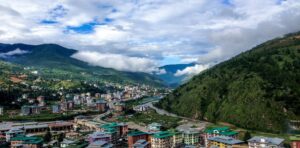
On your day of Thimphu sightseeing, you’ll explore the city’s rich culture and history. Visit the National Memorial Chorten, a spiritual landmark where locals pray and spin prayer wheels.
Discover Bhutanese traditions at the Folk Heritage Museum and Textile Museum, then see local artisans at work at the School of Arts and Crafts. You can also stroll through the lively crafts bazaar to find beautiful handmade souvenirs.
This day gives you a perfect blend of Bhutan’s spirituality, art, and everyday life in the peaceful capital.
On the journey from Thimphu to Punakha, you’ll drive through the stunning Dochula Pass, perched at over 3,100 meters. Here, you can take in breathtaking panoramic views of the snow-capped Himalayan peaks on a clear day and visit the 108 beautiful memorial chortens built in honor of Bhutanese soldiers.
Continuing down the lush valleys, you’ll arrive in Punakha, home to the magnificent Punakha Dzong, one of Bhutan’s most iconic fortress-monasteries. Alongside this, you can explore the peaceful Chimi Lhakhang, known as the Fertility Temple, and cross the impressive Punakha Suspension Bridge, all surrounded by scenic river valleys and vibrant nature.
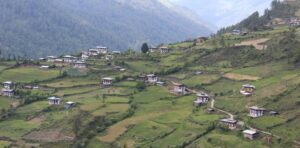
On the final day, you’ll leave Punakha and enjoy a scenic drive back to Paro, winding through beautiful valleys and charming villages.
Along the way, you might stop to visit Kyichu Lhakhang, one of Bhutan’s oldest and most sacred temples, or explore Paro town before heading to the airport.
This journey offers a last chance to soak in Bhutan’s peaceful landscapes and rich culture before your departure.
Cost Include
- All airport pick –up and drop
- Bhutan Tourist Tariff Royalty & Visa fees.
- Private transport while sightseeing
- Local English speaking guide/tour leader.
- Experienced driver.
- Accommodation in Bhutan tourist standard government approved hotels & guesthouses.
- All meals in Bhutan
- All entrance fees and permits.
Cost Exclude
- International airfare
- Travel insurance
- Star hotel in Bhutan
- All personal expenses such as bars, beverages, laundry, telephone
- Tips for guide and Driver
- Which is not mention on include Colom
FAQs
The Thimphu Punakha Tour is a popular travel itinerary in Bhutan that takes you through two of the country’s most beautiful and culturally significant cities.Starting in Thimphu, Bhutan’s serene capital, you explore vibrant markets, ancient monasteries, and modern Bhutanese life set against stunning mountain backdrops.
Then, you travel to Punakha, the former royal capital known for its impressive fortress, Punakha Dzong, and lush river valleys. Along the way, you pass through scenic spots like Dochula Pass, famous for panoramic Himalayan views and memorial chortens.
This tour offers a perfect blend of Bhutan’s rich history, spirituality, and natural beauty, making it ideal for travelers wanting an authentic glimpse of Bhutanese culture and landscapes.
You should choose the Thimphu Punakha Tour because it offers a perfect introduction to Bhutan’s rich culture, stunning landscapes, and peaceful way of life all in a manageable, comfortable itinerary.
This tour covers the vibrant capital city with its unique blend of tradition and modernity, plus the beautiful Punakha Valley, home to some of Bhutan’s most impressive architecture and natural scenery.
The journey through Dochula Pass adds breathtaking Himalayan views, making the trip visually unforgettable. It’s ideal for travelers who want to experience Bhutan’s spirituality, history, and natural beauty without the challenges of high-altitude trekking, making it accessible and rewarding for most visitors.
The best time to do the Thimphu Punakha Tour is during the spring (March to May) and autumn (September to November) seasons. In spring, the valleys burst into colorful blooms with rhododendrons and other flowers, while the weather is mild and clear—perfect for sightseeing and enjoying the natural beauty.
Autumn offers crisp, cool air and clear skies, giving stunning views of the Himalayas and comfortable trekking conditions. These seasons also coincide with many local festivals, allowing you to experience Bhutan’s vibrant culture at its best. Avoiding the monsoon months (June to August) is wise, as heavy rains can disrupt travel and cloud mountain views.
Yes, a Bhutan tour is generally more expensive compared to other destinations in Asia. This is because Bhutan follows a “High Value, Low Impact” tourism policy to protect its culture and environment. Travelers are required to pay a Sustainable Development Fee (SDF) — currently USD $100 per person per night (as of 2025) — in addition to accommodation, meals, guides, and transport costs. However, the price includes many things: a licensed guide, private vehicle and driver, accommodation, meals, and entrance fees to monuments.
So while the upfront cost may seem high, it’s a well-organized, all-inclusive experience with few extra expenses during the trip. For many visitors, the unique culture, peaceful atmosphere, and pristine nature make the cost well worth it.
While travel insurance is no longer mandatory for visa processing, the Department of Tourism strongly recommends that visitors consider obtaining travel insurance as a precautionary measure. This is to ensure they have sufficient coverage in case of any unlikely emergencies associated with international travel .
Therefore, while you are not required to have travel insurance for your Bhutan tour, securing comprehensive travel insurance is advisable to protect yourself against unexpected situations during your visit.
During a Thimphu–Punakha tour, you can expect comfortable, clean, and culturally rich accommodations that reflect Bhutanese tradition while offering essential modern amenities. In Thimphu, hotels range from mid-range 3-star to boutique 4-star properties, often featuring traditional woodwork, colorful Bhutanese décor, private bathrooms, Wi-Fi, and in some cases, spa or wellness services.
In Punakha, the accommodations are more nature-oriented, with charming lodges and guesthouses often located near rivers, rice fields, or forests. These stays are usually peaceful and cozy, offering a warm, welcoming atmosphere, home-cooked meals, and beautiful natural views.
While luxury options are available in both cities, most travelers enjoy the authentic feel and hospitality of Bhutan’s locally owned hotels and lodges.
During a Thimphu–Punakha tour, you’ll enjoy a variety of traditional Bhutanese cuisine that’s hearty, flavorful, and often spicy.
The most iconic dish is Ema Datshi, a stew made of chili peppers and local cheese—it’s the national dish and a must-try. You’ll also find dishes like Phaksha Paa (pork with radish and chili), Shakam Paa (dried beef), red rice, and momo (steamed dumplings with meat or vegetable fillings). Meals are usually served buffet-style in hotels and restaurants, with a mix of local dishes and mild options to suit international tastes.
You can expect rice, vegetables, lentils, chicken, and sometimes noodles, along with local condiments like chili paste. In both Thimphu and Punakha, you’ll also find some restaurants offering Indian, Chinese, and continental food, especially in hotels catering to tourists. And don’t miss out on Suja, the traditional butter tea, or a warm cup of Bhutanese herbal tea after your meal.
For a Thimphu–Punakha tour, it’s best to pack layered and comfortable clothing suitable for Bhutan’s varying weather. Thimphu can be cool, especially in the mornings and evenings, so bring a light fleece or jacket, and a warmer layer if you’re traveling in spring or autumn.
Punakha is lower in altitude and generally warmer, so light, breathable clothing is ideal during the day. Comfortable walking shoes are a must, as you’ll be exploring monasteries, dzongs, and scenic spots. Don’t forget a rain jacket or umbrella, sunglasses, sunscreen, and a hat for sun protection.
When visiting temples and religious sites, modest clothing—like long pants and covered shoulders—is required. A small backpack for day trips and a reusable water bottle will also come in handy.
Price Per Person
$1213