

Tour Duration
4 days

Best time to go
Sep-Nov, Mar-May

Group Size
2-25 People

Max Altitude
3120m

Accommodation
Tea Houses

Tour Grade
easy

Area
Bhutan

Hours of Walking
4-5 Hours per day

Start point - End point
Kathamandu
Overview 3 Night 4 Days Bhutan Tour
3 Night 4 Days Bhutan Tour is a discovery of a nation where old traditions, spiritual heritage, and pristine natural surroundings form a part of life. Surrounded by India and China in the Himalayas to the east, Bhutan remains one of the most unique and intriguing vacation spots on the globe. Also known as the “Land of the Thunder Dragon,” Bhutan offers tourists a peaceful retreat that’s full of culture, stunning mountain views, and peace that can’t be replicated elsewhere.
From the minute you arrive there, Bhutan is unlike anything. It’s the only country on the planet that doesn’t quantify success in gross domestic product but instead Gross National Happiness. All this philosophy is to be seen in all things, from the friendly smiles of the locals to the country’s conservative tourism policies, so that its environment and culture remain unspoiled. A trip to Bhutan gives you the chance to move at your own pace, breathe deeply, and live life in a way that feels totally authentic.
3 Night 4 Days Bhutan Tour begins in Paro, the destination of Bhutan’s one international airport. The valley is heaven on earth, surrounded by mountains and dotted with farmhouses that are characteristically Bhutanese. Your first exposure to Bhutanese architecture and religion is from a visit to Rinpung Dzong, a sturdy fortress-monastery.
In the vicinity, Kyichu Lhakhang, an ancient temple of Bhutan, provides a serene and devotional environment. Any trip to Paro is incomplete without trekking to the mythic Tiger’s Nest Monastery (Taktsang), defiantly situated on a cliff face. The trek is arduous but extremely rewarding with vistas that continue to linger in mind long after the trek ends.
A brief car journey from Paro takes one to Thimphu, the capital of Bhutan. Though a capital city, Thimphu feels more like a charming hill town, where traditional culture mixes with modern conveniences. You can pause here and view the gargantuan Buddha Dordenma statue looming over the city, stroll about the National Memorial Chorten, or take in local handicrafts at the Folk Heritage Museum and the School of Arts and Crafts. Thimphu also provides a glimpse into Bhutan’s evolving identity, as cafes, shops, and markets are wedged between monasteries and government offices.
Deeper still into the country, towns like Punakha, Wangdue, and Bumthang reveal more of Bhutan’s diversity. In Punakha, you can explore the beautiful Punakha Dzong, where the country’s most important royal ceremonies take place. Surrounded by rivers and rice fields, it’s one of Bhutan’s most scenic spots. Every region has its own tales, festivals, and scenery, giving new experiences at every turn.
Bhutanese food is straightforward yet delicious, frequently revolving around red rice, chili, and cheese. Don’t leave without having ema datshi, the national dish consisting of chili peppers and cheese. For nature lovers, Bhutan’s mountain paths, forests, and high passes provide superb trekking and birdwatching.
3 Night 4 Days Bhutan Tour is not really about sightseeing but living differently. With its focus on harmony, happiness, and environmental conservation, Bhutan leaves all those who visit her with an impression. Whether you hike to monasteries, talk to monks, or just appreciate the peace of a waving prayer flag, Bhutan touches your heart in a gentle, indelible way.
Itinerary
Your adventure Bhutan Tour begins with a scenic flight into Paro International Airport, surrounded by towering peaks and lush valleys. As you descend, you’re already greeted by the breathtaking beauty that defines Bhutan. Upon arrival, a friendly local guide will welcome you and drive you to Thimphu, Bhutan’s charming capital, just a 1.5-hour ride away.
On the way, you’ll pass traditional villages and beautiful mountain landscapes. Once in Thimphu, you’ll visit the Buddha Dordenma, an enormous golden statue sitting atop a hill overlooking the city.
The views are spectacular, and the calm atmosphere sets the tone for your Bhutan experience. Later, explore the Tashichho Dzong, a historic fortress that serves as the seat of Bhutan’s government and monastic body.
You’ll also visit the Memorial Chorten, built in honor of Bhutan’s third king, and stroll through the local market to get a taste of everyday Bhutanese life. Overnight in Thimphu.
After a relaxed breakfast, you’ll leave Thimphu and return to Paro, a town known for its rich culture and stunning natural surroundings. En route, you might stop at Tamchog Lhakhang, a 15th-century temple built by a legendary iron bridge builder.
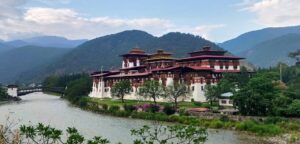
Once in Paro, your first visit will be to Rinpung Dzong, a majestic fortress perched above the river. Its ancient halls and painted walls give you a deep sense of Bhutan’s spiritual and artistic heritage.
Next, you’ll walk across the traditional cantilever bridge and explore Paro town, where you can browse local handicrafts or sip a cup of butter tea. A highlight of the afternoon is visiting Kyichu Lhakhang, one of Bhutan’s oldest temples, believed to have been built in the 7th century. Its peaceful garden and timeless design make it a serene spot to reflect. Overnight in Paro.
Bhutan Tour This day is often the highlight for many visitors. After an early breakfast, you’ll set off on a hike to Taktsang Monastery, famously known as the Tiger’s Nest. It’s a steep 2- to 3-hour climb through pine forests, but the reward is incredible. Clinging to a cliff 900 meters above the Paro Valley, the monastery is one of Bhutan’s most sacred and visually striking sites.
As the legend goes, Guru Rinpoche flew to this site on the back of a tigress to meditate and subdue evil spirits. Today, it stands as a powerful symbol of faith and endurance. You’ll spend time exploring the monastery and soaking in the views before heading back down. After the hike, many travelers choose to unwind with a traditional Bhutanese hot stone bath, known for its relaxing and healing properties. Overnight in Paro.
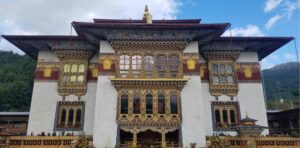
Your short journey in Bhutan comes to an end today. Depending on your flight time, you might have a little time in the morning to relax or take a short walk around Paro before being transferred to the airport.
As you board your flight and glance one last time at the mountains, you’ll leave with a sense of peace, reflection, and a deep appreciation for Bhutan’s simplicity and beauty.
Cost Include
- Airport transfer and drop ( Paro)
- All meals (Breakfast, Lunch, and Dinner)
- Normal hotel in Bhutan (twin sharing)
- Tourism development fee
- English speaking local guide
- Private transportation
- Sightseeing and museum entrance fees
- Festival surcharge and royalty to the government
Cost Exclude
- Kathmandu- Paro- Kathmandu flight tickets
- Visa fee to Bhutan
- All personal expenses including beverages
- Extra cost arising due to the reasons beyond our control such as flight cancellation, natural calamities, etc.
- Star hotel in Bhutan
- Which is not mention at cost include colom
FAQs
A Bhutan tour is a travel experience that takes you to the beautiful and culturally rich Himalayan kingdom of Bhutan. Known as the “Land of the Thunder Dragon,” Bhutan is famous for its stunning mountain landscapes, ancient monasteries, vibrant traditions, and strong focus on preserving its natural environment and cultural heritage.
During a Bhutan tour, travelers explore historic dzongs (fortress-monasteries), hike to iconic sites like the Tiger’s Nest Monastery, visit traditional villages, and experience Bhutanese customs and festivals.
The tour offers a unique blend of spirituality, nature, and authentic cultural immersion, making it an unforgettable journey for those seeking peace, adventure, and insight into one of the world’s most carefully preserved countries.
A typical Bhutan tour usually lasts anywhere from 4 to 10 days, depending on the places you want to visit and the experiences you want to have. Shorter trips, like 3 to 4 days, focus on key highlights such as Paro, Thimphu, and the Tiger’s Nest Monastery.
Longer tours allow you to explore more remote regions like Punakha, Bumthang, and Phobjikha Valley, giving you deeper insight into Bhutan’s culture, nature, and festivals. Most travelers find that a minimum of 3 to 4 days is ideal to comfortably see the main attractions without rushing.
Yes, a Bhutan tour is generally considered more expensive than many other destinations in Asia. This is mainly because Bhutan has a government-mandated minimum daily tariff for tourists, which covers accommodation, meals, a licensed guide, transportation, and entry fees.
This fee helps preserve the country’s culture and environment by limiting the number of visitors and ensuring responsible tourism. While the cost might seem high—usually starting around $265 to $450 per day per person—it includes most expenses, so there are few hidden costs.
Many travelers find the price worth it because of Bhutan’s unique experiences, stunning landscapes, and well-organized tours. So, yes, Bhutan tours are on the pricier side, but they offer excellent value for those seeking a once-in-a-lifetime cultural and natural adventure.
During a Bhutan tour, you’ll get to enjoy a variety of traditional Bhutanese dishes that are flavorful, hearty, and often centered around local ingredients.
The staple food is red rice, which has a nutty taste and is served with almost every meal. One of the most famous dishes you should definitely try is ema datshi, Bhutan’s national dish made from spicy chili peppers cooked with cheese — it’s deliciously spicy and creamy.
Other common foods include phaksha paa (pork cooked with red chili and radish), shakam paa (dried beef with chilies), and various steamed dumplings called momos, often filled with vegetables or meat. Soups and noodle dishes are also popular, especially in colder regions.
Meals tend to be simple but very satisfying, designed to give you energy for trekking or exploring. Tea is an important part of Bhutanese hospitality, so expect to be offered butter tea, a salty tea made with butter and milk, or sweet milk tea during your tour. Overall, Bhutanese cuisine is a unique mix of spicy, savory, and comforting flavors that beautifully reflect the country’s culture and environment.
During a Bhutan tour, the types of hotels you stay in can vary depending on your budget and the regions you visit, but generally, you can expect clean, comfortable, and well-maintained accommodations that blend modern amenities with traditional Bhutanese style.
In major towns like Thimphu and Paro, you’ll find 3- to 5-star hotels and resorts that offer cozy rooms, hot showers, Wi-Fi, and sometimes beautiful mountain views. These hotels often feature Bhutanese décor, with wooden carvings, colorful fabrics, and local artwork, giving you an authentic feel while ensuring comfort. In smaller towns and more remote areas, accommodations tend to be simple guesthouses or lodges, which are clean and comfortable but with fewer luxury features.
These places focus on hospitality and usually include traditional meals. Bathrooms may be shared or private, and hot water can sometimes be limited, especially at higher altitudes.
Price Per Person
$1199