Lhasa Tour

Tour Duration
11 days

Best time to go
Sep-Nov, Mar-May

Group Size
2-25 People

Max Altitude
4300m

Accommodation
Tea Houses

Tour Grade
easy

Area
Tibet

Hours of Walking
2-3 hrs

Start point - End point
Kathmandu
About Lhasa Tour
Lhasa Tour Exploring the Spiritual Heart of Tibet, Lhasa Tour with Hello Nepal Treks is one of the best experience in the life. Tibet’s spiritual capital is entering a realm where ancient traditions, peaceful monasteries and breathtaking landscapes are intertwined. As a travel agency, Hello Nepal Trek makes this Lhasa Tour journey more than a travel experience; it becomes a spiritual and cultural adventure that enriches your travels.
The Lhasa Tour adventure usually begins in Kathmandu, Nepal’s busy capital city, where travelers experience Himalayan hospitality. After a short orientation and preparation of documents, the overland journey begins with a beautiful drive into the Nepal-Tibet border at Kerung. This slow ascent allows your body to adjust to the elevation and gives you a peek at the snow capped Himalayas.
As soon as we cross into Tibet, the landscape becomes vast. Wide plateaus stretch for thousands of miles with towering peaks and ancient settlements tucked away in the rock faces. The drive from Kerung to Tingri, or Lhatse, is a serene ride with endless untouched views. This wide pocket of Tibet feels like another world, a land stuck in time, yet full of spiritual energy. Hello Nepal Trek takes great care of travelers providing comfortable facilities and knowledgeable guides.
Discovering the Spiritual Heart of Tibet with Hello Nepal Trek A tour to Lhasa, Tibet’s spiritual capital, is like stepping into a world where ancient traditions, peaceful monasteries, and majestic landscapes blend in perfect harmony. With Hello Nepal Trek, the journey becomes more than just sightseeing it turns into a deeply enriching cultural and spiritual experience.
Crossing into Tibet, the terrain shifts dramatically. Wide plateaus stretch into the horizon, flanked by towering peaks and ancient settlements. The drive from Kerung to Tingri or Lhatse is a quiet one, offering endless views of untouched nature. This remote part of Tibet feels like another planet — a land frozen in time, yet alive with spiritual energy.
Hello Nepal Trek ensures travelers are well cared for with comfortable accommodations and experienced guides. They explain the significance of each stop, from sacred lakes to ancient temples, turning every sight into a meaningful story. On the way to Shigatse, the second-largest city in Tibet, the group visits Tashilhunpo Monastery, seat of the Panchen Lama. Its massive golden-roofed halls and chanting monks leave a powerful impression.
From Shigatse, the journey continues to Gyantse, another cultural gem. Here, the Palcho Monastery and Kumbum Stupa showcase Tibetan art, architecture, and religious devotion at its finest. The stupa, with its tiered design and 100,000 images of Buddha, stands as a symbol of deep spiritual craftsmanship.
Then comes the crown jewel: Lhasa. After several days on the road, entering the city feels both surreal and rewarding. The air is thinner, the light crisper, and prayer flags flutter in the wind above whitewashed buildings. Potala Palace, rising majestically above the city, is perhaps Lhasa’s most iconic landmark. Once the winter residence of the Dalai Lama, its red and white structure dominates the skyline and whispers stories of Tibet’s storied past.
A guided tour through the palace reveals a treasure trove of history. Chapel after chapel reveals golden Buddha statues, ancient scriptures, and elaborate murals. One can easily spend hours here, soaking in the depth of Tibetan Buddhist culture. Just as moving is the Jokhang Temple, considered the holiest site in Tibet. Pilgrims from all over the region prostrate themselves on the stones outside, some having walked for weeks to reach the site.
The Barkhor Street that circles Jokhang is a sensory overload. Spices, incense, prayer beads, and yak wool garments are sold from colorful stalls, while the scent of butter lamps and juniper smoke hangs in the air. Joining the pilgrims in a clockwise walk around the temple feels almost meditative — a moment of unity among diversity. Lhasa Tour
Another highlight arranged by Hello Nepal Trek is a visit to the Sera and Drepung Monasteries in Lhasa Tour, where you can witness monk debates. These animated, philosophical exchanges — complete with hand claps and dramatic gestures — are a unique expression of Tibetan learning. They also give insight into how Tibetan Buddhism has been preserved through centuries.
Every night in Lhasa, the group returns to a cozy hotel to rest, reflect, and prepare for the next day’s exploration. Hello Nepal Trek carefully balances activity and rest, especially crucial at high altitudes. Their support is consistent, professional, and heartfelt, which is why travelers feel safe and welcomed throughout the journey.
But the memories linger. Whether it’s the smile of a local monk, the soft flutter of prayer flags, or the stillness of Yamdrok Lake, each moment on the Lhasa tour with Hello Nepal Treks leaves an imprint. It’s not just about reaching a destination; it’s about what you carry home in your heart.
What makes this tour special is not just the places visited, but the way Hello Nepal Treks presents them. With deep respect for Tibetan culture and attention to detail, they craft an experience that feels personal and transformative. Travelers don’t just see Tibet they feel it, breathe it, and connect with it on a deeper level.
For anyone yearning to understand the spiritual soul of Asia, a Lhasa tour with Hello Nepal Treks is a journey worth taking. It’s challenging, beautiful, eye-opening, and above all unforgettable.
Itinerary
Upon arrival at the airport in Kathmandu, you will be greeted by our representative and assisted with your transfer to the hotel.
After check-in, you can take some time to rest and recover from your journey. The remainder of the day is free for you to relax or explore the local area at your leisure.
Today is designated for visa and permit applications required for your upcoming travel. Our team will assist you in completing the necessary paperwork and submitting applications for travel permits and visas (such as the Tibet Travel Permit or other regional entry documents).
The process may take a few hours, after which you’ll have free time to relax or explore the local area.
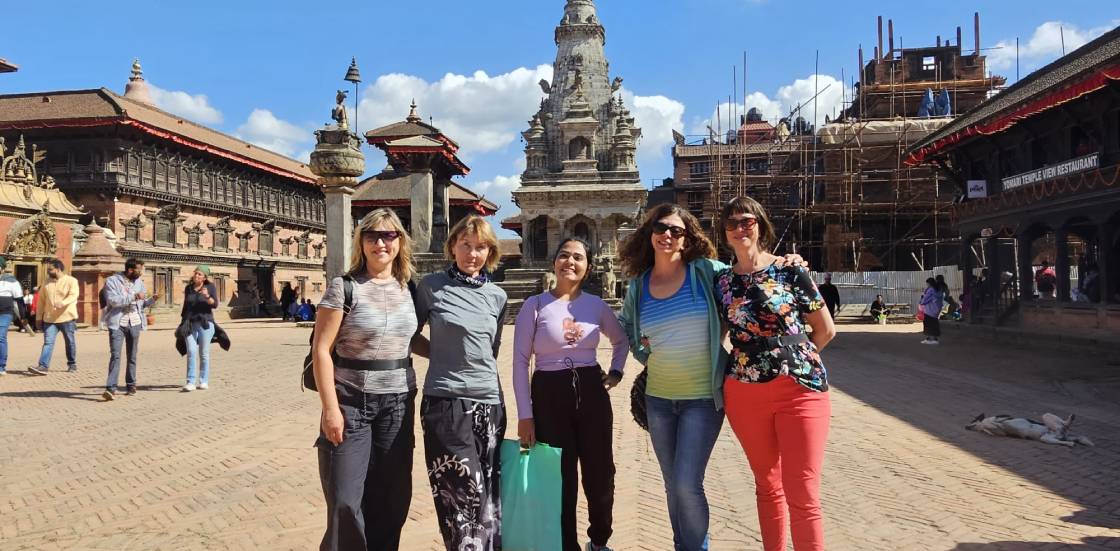
Explore the vibrant city of Kathmandu on a guided tour that takes you through its rich cultural and historical landmarks. Visit iconic sites such as Kathmandu Durbar Square, a UNESCO World Heritage Site featuring ancient palaces and temples.
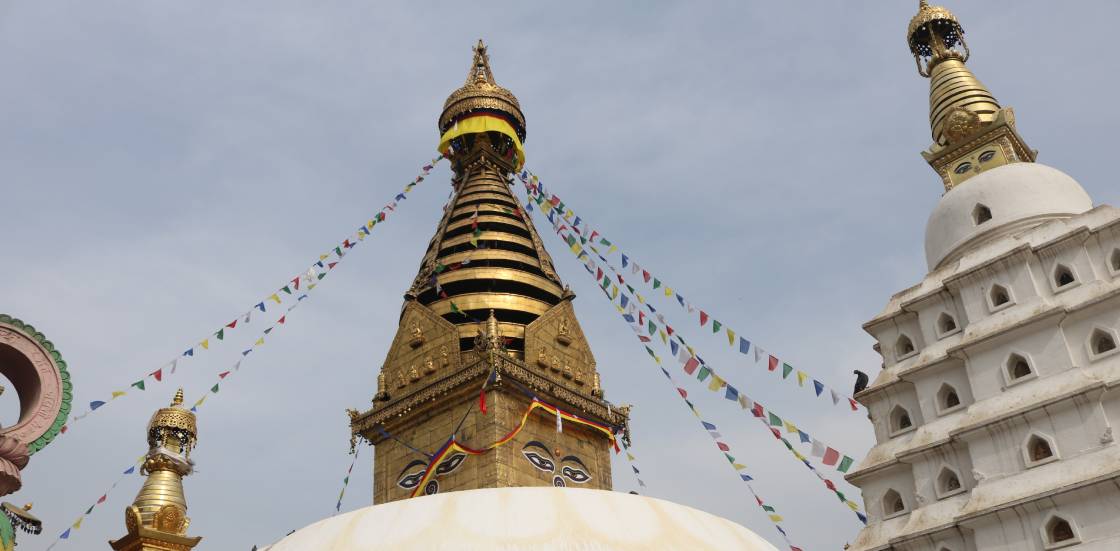
the sacred Swayambhunath Stupa (Monkey Temple) with panoramic views of the valley the bustling and spiritual Boudhanath Stupa and the revered Pashupatinath Temple, one of the most significant Hindu temples dedicated to Lord Shiva. This tour offers a deep dive into the heritage and spirituality that define Kathmandu.
The journey from Kathmandu to Kerung (2,700 meters) is a scenic drive that takes you through stunning mountain landscapes and charming rural villages.
Along the way, you’ll experience the gradual change in altitude and glimpse the unique border town atmosphere of Kerung, an important gateway between Nepal and Tibet.
Travel from Kerung to Tingri or Lhatse, ascending to an altitude of approximately 4,300 meters. This route offers breathtaking views of the Himalayan foothills and a chance to experience the high-altitude Tibetan plateau landscape as you approach the gateway to Everest.
Drive from Tingri or Lhatse down to Shigatse, located at an altitude of 3,900 meters. Along the way, enjoy stunning views of the Tibetan plateau and the distant Himalayan peaks. Shigatse, Tibet’s second-largest city, offers rich cultural heritage and traditional Tibetan architecture.
Travel from Shigatse to Lhasa via Gyantse, descending gradually to 3,650 meters above sea level. En route, visit Gyantse’s historic sites, including the famous Pelkor Chode Monastery and the impressive Kumbum Stupa. Continue the journey to Lhasa, the spiritual heart of Tibet, surrounded by breathtaking mountain scenery.
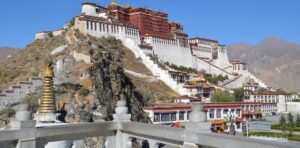
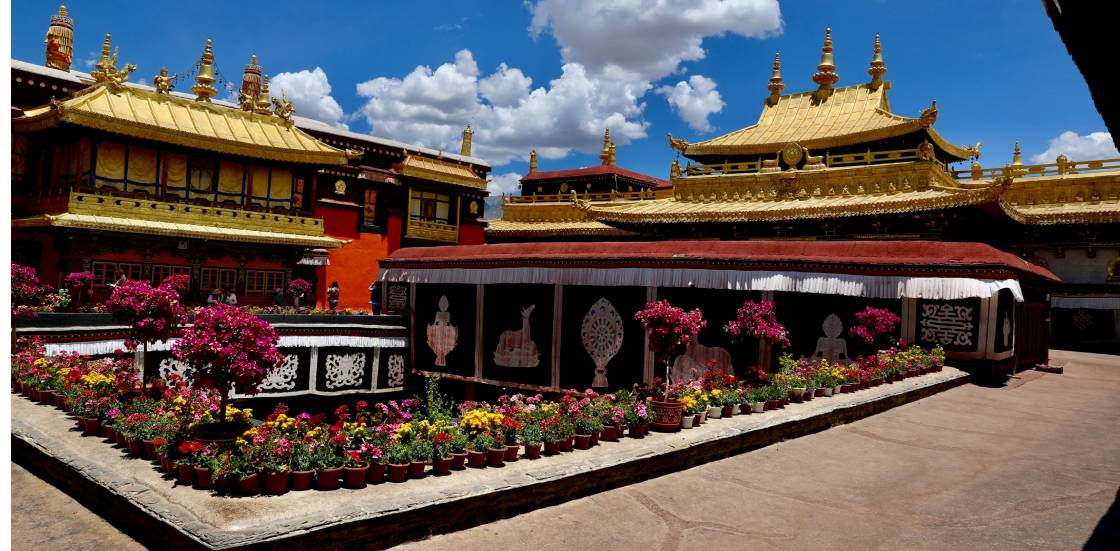
Explore the spiritual and cultural treasures of Lhasa with visits to the iconic Potala Palace and Jokhang Temple. The Potala Palace, once the winter residence of the Dalai Lama, stands majestically atop Marpo Ri hill and showcases exquisite Tibetan architecture, sacred artifacts, and stunning panoramic views of the city.
Jokhang Temple, considered the holiest temple in Tibet, is a vibrant pilgrimage site where devotees gather to worship, making it a living center of Tibetan Buddhism and culture.
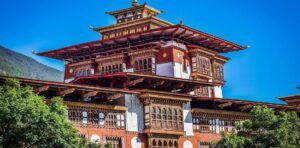
Visit two of Lhasa’s most renowned monasteries, Drepung and Sera, both integral to Tibetan Buddhism. Drepung Monastery, once the largest monastery in the world, offers impressive architecture and tranquil surroundings.
At Sera Monastery, witness the lively monks’ debating sessions, a unique and fascinating tradition that brings Tibetan monastic life to vivid life. Together, these sites provide deep insight into Tibetan religious culture and history.
After completing your time in Lhasa, transfer to the airport for your scenic flight back to Kathmandu. Enjoy breathtaking aerial views of the Himalayas as you fly from the “Roof of the World” to Nepal’s vibrant capital. Upon arrival in Kathmandu, you will be met and transferred to your hotel for rest and relaxation.
After your memorable journey, you will be transferred to the airport for your final departure. We hope you enjoyed your trip and wish you a safe and pleasant onward journey. Thank you for traveling with us
Cost Include
- Pick up from airport and drop to hotel
- Welcome or Farewell Dinner
- 1 day city tour with English speaking guide
- Monument fee for Kathmandu city tour
- 3 night’s accommodation in Kathmandu on twin share basis with breakfast
- Visa fee for Tibet
- Accommodation in Lhasa tour sharing basic
- All Vegetarian Meals while on Mount Kailash tour
- English Speaking Nepali Tour Leader and Tibetian Guide
- Permit Fee for Tibet
- Flight ticket Lhasa to Kathmandu
- Ground transfers in Lhasa using car/ jeep/ bus depends with group size
- Sherpa staff (trekking guides, porters, cook, helper etc.)
- Sleeping bag
- Company Down Jacket
Cost Exclude
- Nepal entry fee
- Airfares from your country to Kathmandu to your country
- All beverages, photography charges, web usage, and Telephone Calls
- Extra nights in Tibetan lodges (except mentioned in itinerary)
- Extra nights in Kathmandu for early arrival (must arrive three days early for TIBET VISA formalities)
- Travel Insurance of Client
- The extra cost in the event of landslide for hiring additional transportation and porters
- All Lunches while in Kathmandu and dinners except mentioned in the itinerary
- Emergency evacuation costs (cost for rental of Land Cruiser) (medical and rescue insurance is recommended).
- Any additional meals in Kathmandu except mentioned in the itinerary
- Staff and Driver Tips
- Which is not mention on cost included list
FAQs
A Lhasa tour is a journey to the historic and spiritual heart of Tibet, offering travelers a unique opportunity to explore its rich cultural heritage and breathtaking Himalayan landscapes.
During the tour, visitors typically explore iconic landmarks such as the majestic Potala Palace, the sacred Jokhang Temple, and the renowned Drepung and Sera Monasteries. These sites provide deep insight into Tibetan Buddhism and local traditions.
A Lhasa tour not only showcases stunning architecture and ancient history but also immerses travelers in the vibrant Tibetan way of life, making it a memorable and enriching travel experience.
The best time to visit Lhasa is during the spring (April to June) and autumn (September to October) seasons. During these months, the weather is mild, skies are generally clear, and the temperatures are comfortable, making it ideal for sightseeing and outdoor activities.
Spring brings blooming flowers and fresh landscapes, while autumn offers crisp air and vibrant festivals. Avoid the winter months (November to February) due to cold temperatures and the summer monsoon season (July to August), which can bring heavy rain and occasional travel disruptions.
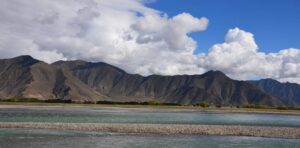
When visiting Lhasa, you’ll be traveling to an altitude of about 3,650 meters (12,000 feet) above sea level. Many of the surrounding areas and nearby Tibetan towns, like Tingri and Lhatse, are even higher—ranging from around 4,000 to 4,300 meters (13,000 to 14,100 feet).
Traveling to these high altitudes requires some acclimatization to avoid altitude sickness, so it’s important to take it slow, stay hydrated, and listen to your body as you adjust to the thinner air.
Yes, travel insurance is highly recommended for a Lhasa tour (and any international trip).
Medical coverage:
High-altitude travel can sometimes cause health issues like altitude sickness, and medical facilities in remote areas might be limited. Insurance can cover emergency treatment and evacuation if needed.
Trip cancellations or delays:
Weather or political situations can disrupt travel plans, and insurance helps protect your investment.
Lost or delayed baggage:
Insurance can reimburse you if your belongings are lost or delayed.
Peace of mind:
Knowing you’re protected lets you enjoy your trip without worry.
A typical Lhasa tour usually takes between three to seven days, depending on the depth of exploration and the sites you wish to visit. Shorter tours of three to four days generally focus on the city’s main attractions, such as the Potala Palace, Jokhang Temple, and the major monasteries like Drepung and Sera.
Longer tours, lasting five to seven days or more, allow travelers to explore additional nearby destinations, enjoy better acclimatization to the high altitude, and experience the rich Tibetan culture more fully. Travel time to Lhasa itself depends on your mode of transportation, with flights being the quickest option and train journeys offering a scenic but longer route.
For a Lhasa tour, the best hotel choice depends on your preferences and budget, but here are some tips:
Mid-range to upscale hotels in Lhasa offer comfortable rooms, good amenities, and convenient locations near main attractions like the Potala Palace or Barkhor Street. These hotels often provide heating, which is important due to the cool climate, and sometimes offer oxygen facilities for high-altitude comfort.
Boutique and heritage hotels provide a more authentic Tibetan ambiance, blending traditional architecture with modern comforts.
Budget hotels and guesthouses are available for travelers seeking basic accommodations, but be prepared for simpler facilities and less English spoken.
If you want a hassle-free and comfortable stay, especially after long travel or high-altitude trekking, choosing a hotel with good reviews for cleanliness, service, and altitude support is recommended.
During a Lhasa tour, you’ll have the chance to enjoy a variety of Tibetan and regional cuisines that reflect the local culture and high-altitude environment. Traditional Tibetan dishes often include:
Tsampa (roasted barley flour), a staple food.
Momos (Tibetan dumplings), usually filled with meat or vegetables.
Thukpa, a hearty noodle soup.
Butter tea, a salty and buttery tea unique to the region.
Meat dishes like yak or mutton, often served with rice or noodles.
Most hotels and restaurants in Lhasa also offer a range of Chinese and international dishes to suit different tastes. Due to the altitude, it’s best to eat lightly and stay hydrated. If you have dietary preferences or restrictions, many places can accommodate them, but it’s a good idea to let your guide know in advance.
When packing for a Lhasa tour, it’s important to bring layered clothing to adapt to the region’s variable climate. Days can be warm and sunny, but temperatures often drop sharply in the mornings, evenings, and at higher altitudes. Lightweight, breathable clothes for daytime, combined with warm sweaters or fleece jackets, are ideal.
A good insulated jacket, a hat, gloves, and a scarf will help protect you from the cold, especially early morning or late evening. Comfortable walking shoes are a must, along with sunglasses and sunscreen to shield against strong UV rays at high altitude. Don’t forget to bring a sturdy raincoat or windbreaker in case of sudden weather changes.
Price Per Person
on request