Nar-Phu Valley Trek

Trek Duration
11 days

Best time to go
Sep-Nov, Mar-May

Group Size
2-25 People

Max Trekking Altitude
5320m

Accommodation
Teahouse

Trek Grade
moderate

Area
Annapurna Region

Hours of Walking
5-9 Hours per day

Start point - End point
Kathmandu
One of the best Restricted Area trek-Nar-Phu Valley Trek
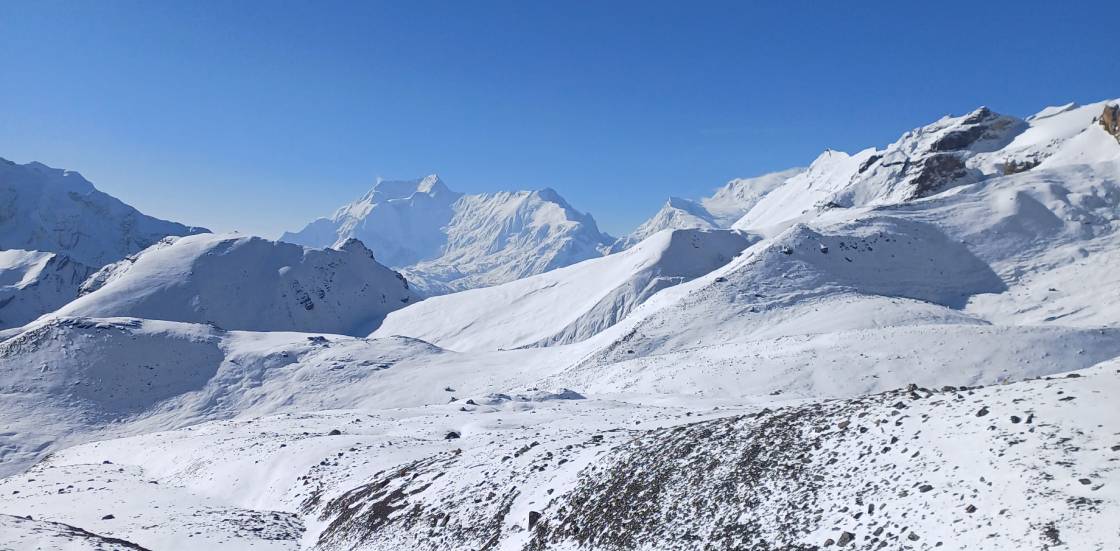
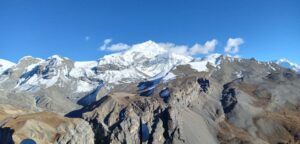
The Nar-Phu Valley Trek is a hidden gem in the Annapurna region, offering a rare blend of raw Himalayan wilderness and untouched Tibetan culture. Tucked away in a remote corner of northwestern Nepal, this trek takes adventurers off the beaten path into the restricted valleys of Nar and Phu, which only opened to trekkers in the early 2000s. The journey begins in the lush lower Annapurna trails and gradually climbs into rugged, high-altitude terrain dotted with ancient Buddhist monasteries, yak pastures, and stone-built villages that have preserved centuries-old traditions. Surrounded by dramatic cliffs, deep gorges, and towering peaks like Kangaru, Himlung, and Annapurna II, the landscape is as humbling as it is spectacular.
Crossing the challenging Kang La Pass (5,306m) is a major highlight, offering jaw-dropping views and a true sense of Himalayan adventure. Ideal for experienced trekkers looking for solitude, culture, and high-mountain beauty, the Nar Phu Valley Trek delivers an unforgettable and truly authentic trekking experience in Nepal.
The Nar-Phu Valley Trek is a remarkable journey through one of the most remote and culturally rich regions of Nepal. Nestled in the rain shadow of the Annapurna and Manaslu ranges, the trek takes you into the hidden valleys of Nar and Phu—areas that remained closed to outsiders until 2002. This trek is ideal for those seeking something beyond the well-trodden trails of the Annapurna Circuit.
The adventure begins in the subtropical forests and rice fields of the lower Annapurna region and gradually ascends into a high-altitude world of rock, ice, and ancient Tibetan culture. As you enter the restricted area, you’ll notice a dramatic shift in the landscape and lifestyle. Narrow gorges open up into wide, windswept valleys surrounded by snowcapped peaks and rugged cliffs. The villages of Nar and Phu are steeped in Tibetan Buddhist traditions, with colorful prayer flags, centuries-old monasteries, and residents who still follow traditional ways of life.
The Nar-Phu Valley One of the trek’s highlights is visiting Phu village, a fascinating stone-built settlement where you can witness daily life unchanged for generations. Here, you’ll have the chance to interact with locals, visit the impressive Tashi Lhakhang Monastery , and observe traditional practices like weaving and yak herding. After exploring Phu, the trail continues to Nar, a slightly larger village with more fertile surroundings and equally rich cultural experiences. Between the villages, you’ll cross high suspension bridges, traverse arid mountain trails, and pass chortens and mani walls that reflect the region’s deep spiritual significance.
A major challenge and reward of the trek is crossing the Kang La Pass at 5,306 meters. This high-altitude crossing demands good physical fitness and acclimatization but offers unforgettable panoramic views of the Annapurna massif, including Annapurna II, Gangapurna, and Tilicho Peak. From there, the trail descends and reconnects with the popular Annapurna Circuit, giving you a taste of both the remote and the classic Himalayan trekking experiences.
The Nar-Phu Valley Trek typically takes about 13 to 17 days, depending on your pace and chosen itinerary. A special permit is required since the area is restricted, and trekkers must be accompanied by a registered guide. The best times to trek are in spring (March to May) and autumn (September to November), when the weather is stable and mountain views are clear.
Nar-Phu Valley Trek its raw beauty, cultural depth, and sense of isolation, the Nar Phu Valley Trek is perfect for experienced trekkers seeking a unique and less crowded alternative to Nepal’s more famous routes. It’s a journey that offers not just stunning landscapes, but also a rare window into a way of life preserved in the folds of the Himalayas. for more details www.hellonepaltreks.com
Itinerary
Cost Include
- Airport pick-up and drop service in a private vehicle
- Welcome dinner and farewell dinner.
- Twin-sharing accommodation in Kathmandu at a tourist standard hotel along with breakfast
- Accommodation during the trekking in a teahouse/Lodge and a tent wherever
- required All three meals on the trek (breakfast, lunch, dinner) and tea/coffee (3 times a day)
- All domestic transportation used for trek purposes
- Government certified English speaking trekking guide
- The entire cost of the staff members involved in the trek (their salary, insurance, equipment, food, and accommodation)
- Porters (one porter for every two trekkers) and his entire expenses (salary, food, accommodation
- equipment, and insurance)
- Charges of all necessary documentation and permits related to the trek
- Down jackets and sleeping bags (upon request), should be returned to the company after completion of the trek.
- Company’s duffel bag (upon request for the trek purpose only), and a company’s t-shirt as a souvenir.
- Trekking route map
- First Aid Kit (carried by a trekking guide)
- The arrangement of helicopter rescue service (trekker’s travel insurance must cover this expense)
- All applicable federal and local taxes.
Cost Exclude
- Nepal visa and International flight fare.
- Dinner and Lunch in Kathmandu besides welcome and farewell dinner.
- Expenses for your clothing and personal gear
- Your equipment of a personal nature; and other expenses such as mineral water, soft beverages, laundry, hot drinking water on the trek, bar bills, showers, internet, battery chargers
- Your travel insurance which covers helicopter evacuation as well as medical expenses and trip cancellation
- Tipping to the guide, porter, and drivers
- Any other costs not itemized in the ‘Cost Includes’ are your expenses.
FAQs
The Nar-Phu Valley Trek is a remote and culturally rich trekking route in the Annapurna region of Nepal that takes you into the hidden valleys of Nar and Phu, close to the Tibetan border.
It’s ideal for trekkers looking for an off-the-beaten-path experience, combining high mountain landscapes, ancient Tibetan-influenced culture, and dramatic Himalayan scenery.
The Nar-Phu Valley Trek typically requires around 10 to 12 days to complete. This includes time for travel to the trailhead, trekking through the remote Nar and Phu villages, proper acclimatization, and crossing the high-altitude Kang La Pass (5,320m).
The duration can vary slightly depending on your trekking pace and whether you combine the route with parts of the Annapurna Circuit. While experienced trekkers might complete it in less time, allowing at least 10 days ensures a safer and more enjoyable experience.
The Nar-Phu Valley Trek is considered a moderate to challenging trek due to its high altitude, remote location, and rugged terrain. Trekkers must ascend as high as 5,320 meters at Kang La Pass, which requires good physical fitness and proper acclimatization.
The Nar-Phu Valley Trek trail includes steep climbs, narrow paths, and long walking days, often in isolated areas with limited access to medical facilities or modern comforts. While no technical climbing skills are needed, previous trekking experience—especially at high altitudes—is highly recommended. The Nar-Phu Valley Trek is best suited for adventurous trekkers seeking a less-traveled and culturally rich Himalayan experience.
The best time to do the Nar-Phu Valley Trek is during spring (March to May) and autumn (September to November).
These seasons offer the most stable weather, clear skies, and excellent visibility of the mountains. In spring, the trail is especially beautiful with blooming rhododendrons and moderate temperatures, while autumn provides crisp air and stunning views after the monsoon.
Winter (December to February) can be extremely cold with snow blocking the high passes, and the monsoon season (June to August) brings heavy rain and slippery trails, making trekking more difficult and risky.
Teahouses along the Nar-Phu Valley Trek are available but basic and limited, especially compared to more popular routes like the Annapurna or Everest regions. You’ll find simple accommodation in villages like Meta, Kyang, Phu, and Nar, often run by local families. Rooms are typically twin-share with shared bathrooms, and heating is minimal—just a common dining area with a wood stove.
Food is mostly traditional Nepali (like dal bhat), with some simple Tibetan and basic Western dishes, depending on the location. Since supplies are carried in by mule or porter, food variety and availability decrease the higher you go.
Yes, travel insurance is essential for the Nar-Phu Valley Trek. Since this is a remote, high-altitude trek with challenging terrain and limited medical facilities, having insurance that covers emergency medical care and helicopter evacuation (up to at least 6,000 meters) is highly recommended—and often required by trekking agencies.
Price Per Person
$1399