Shivapuri National Park Day Hike

Tour Duration
1 day

Best time to go
Sep-Nov, Mar-May

Group Size
1-15 People

Max Altitude
2732m

Accommodation
Teahouse

Tour Grade
easy

Area
Nepal

Hours of Walking
4-7 hrs per day

Start point - End point
Kathmandu
Summery of Shivapuri National Park Day Hike
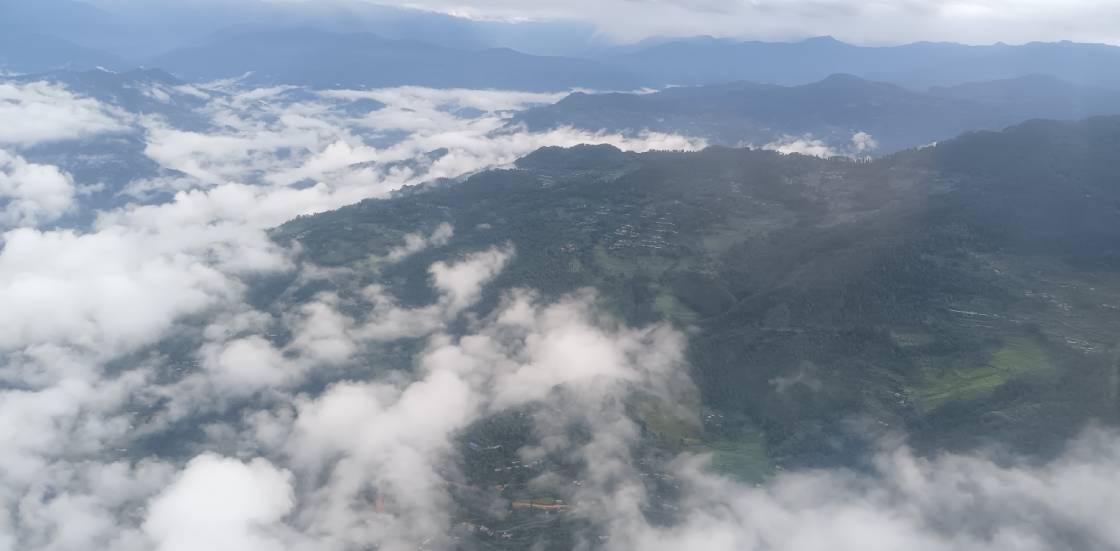
Shivapuri National Park Day Hike is a popular hiking route lying to the north of Kathmandu, Nepal. Shivapuri Nagarjun National Park includes the trail and offers a mix of nature’s splendor, diverse wildlife, and culture exposure. Shivapuri National Park Day Hike is among the top nature hike surrounding Kathmandu, offering great Himalayan views, green forests, and cultural sites. It takes you through Shivapuri Nagarjun National Park, nature lover’s and wildlife enthusiast’s paradise. The hike is easy and perfect for one who wishes to spend the entire day away from the congestion of city life.
The Shivapuri National Park Day Hike is one of the most rewarding short hikes in the Kathmandu Valley’s vicinity, with a perfect mix of spiritual and natural beauty, diverse wildlife, spiritualism, and stunning views of the mountains. Placed inside the Shivapuri Nagarjun National Park, the hike exposes people to tree-covered territories, serene monasteries, and hilltop vistas, and is an ideal getaway for nature lovers and trekkers alike who want a respite from the crowded city life. With its moderate inclination and stunning scenery, the trek is ideal for beginners, families, and experienced trekkers.
The Shivapuri National Park Day Hike journey begins with a rapid drive from Kathmandu to the grounds of Budhanilkantha Temple, the entrance to Shivapuri Nagarjun National Park. Budhanilkantha is home to the famous sleeping Vishnu statue, a sacred Hindu temple where Lord Vishnu reclines on a serpent-shaped pool. This sacred landmark infuses the hike with spirituality, and what was once just an exercise for the body becomes something more. From there, the trekkers are given an entry permit before trekking in the preserved Shivapuri National Park, which is 159 square kilometers large and famous for the variety of species and its unspoiled forests.
As the trekkers ascend, they are enveloped by dense oak, rhododendron, and pine forests that provide a peaceful and shaded route. The park is home to over 300 species of birds, deer, leopards, wild boars, and even Himalayan black bears, so it is paradise for nature enthusiasts and bird spotters. The much-worn route is mostly stone-paved and has gradual incline upwards and some steep sections in between, providing both challenge and excitement.
One of the highlights of the Shivapuri National Park Day Hike is a tour to the Nagi Gompa Monastery, a peaceful Buddhist monastery located on the hill with a vast view over Kathmandu Valley. It is an important meditation center for Buddhist nuns and monks who devote their entire lives to spirituality and enlightenment. Visitors typically break here to unwind and relax, absorb the peaceful atmosphere, and socialize with the local monks, listening to Buddhist teachings and doctrines. The Panoramic view of Nagi Gompa is an early treat for hikers in the form of a great vista of the valley below and distant snow-capped Himalayas.
Steepening the ascent even more, the trail winds through more interior sections of the forest before arriving at Shivapuri Peak, the trek’s summit at 2,732 meters (8,963 feet). The summit is one of the best viewpoints in the Kathmandu valley and offers fine views of Langtang, Ganesh Himal, and Dorje Lakpa, and on clear days even some of the remotest ranges of Annapurna and Manaslu. The clear mountain air, invigorating wind, and stunning Himalayan landscapes are well worth the difficulty of the climb.
Shivapuri Peak is also a pilgrimage site in Hinduism as it is reported to be the meditation retreat of Shiva, the great deity after whom the mountain has been named. Additionally, the trek passes through the source of the Bagmati River, Nepal’s holiest river, and is therefore full of religious significance. Locals are of the view that water from here is sacred and is therefore a pilgrimage site as well.
Itinerary
The Shivapuri National Park Day Hike is a refreshing and moderately easy trek just north of Kathmandu, perfect for a day trip. It takes you through beautiful forests, peaceful Buddhist monasteries like Nagi Gompa, and leads up to Shivapuri Peak, where you get stunning panoramic views of the Kathmandu Valley and surrounding Himalayan ranges.
Along the way, you might spot diverse wildlife and birds in the rich natural environment. The trail is well-marked and suitable for most fitness levels, making it a great option to experience nature and culture close to the city. The best time to go is during spring or autumn when the weather is clear and pleasant.
Cost Include
- Private car from Kathmandu Budhanilkantha to Kathmandu
- An experience tour guide
- One lunch
- Entrance fee for Shivapuri National Park
Cost Exclude
- Breakfast in Kathmandu
- Extra food during the hiking
- Extra activities in Shivapuri National Park
- Tips for guide and driver
FAQs
Shivapuri National Park is famous for its rich biodiversity, including over 177 species of birds and various wildlife like leopards, deer, and monkeys.
It’s also well-known for its lush forests, scenic hiking trails, and cultural sites such as the peaceful Nagi Gompa monastery and the sacred Bagdwar spring, the source of the Bagmati River. The park offers stunning panoramic views of Kathmandu Valley and the Himalayan mountains, making it a popular spot for nature lovers, birdwatchers, and trekkers.
The entry fees for Shivapuri Nagarjun National Park are as follows:
Nepali citizens: NPR 100 per person per entry
SAARC nationals: NPR 600 per person per entry
Other foreigners: NPR 1,000 per person per entry
Shivapuri Nagarjun National Park hike spans across three districts in Nepal: Kathmandu, Nuwakot, and Sindhupalchowk. Established in 2002, it covers an area of 159 km² and serves as a vital green space on the northern edge of the Kathmandu Valley. The park is named after Shivapuri Peak, which rises to 2,732 meters above sea level, and it includes the Nagarjun Forest Reserve.
This protected area is crucial for biodiversity conservation and provides a natural retreat for both locals and visitors.
The best time to visit and hike in Shivapuri National Park is during the spring (March to May) and autumn (September to November) seasons.
During these months, the weather is mild and stable, skies are clear, and the natural beauty of the park from blooming rhododendrons in spring to crisp, colorful landscapes in autumn is at its peak. Avoid the monsoon season (June to August) due to heavy rain and slippery trails, and winter (December to February) can be quite cold, especially at higher elevations.
Price Per Person
$155