Yala Peak Climbing

Tour Duration
13 Days

Best time to go
Sep-Nov, Mar-May

Group Size
2-25 People

Max Altitude
5,732m

Accommodation
Teahouse

Tour Grade
moderate

Area
Langtang

Hours of Walking
5-9 Hours per day

Start point - End point
Kathmandu
Yala Peak Climbing: A Friendly First Step into the Himalayas
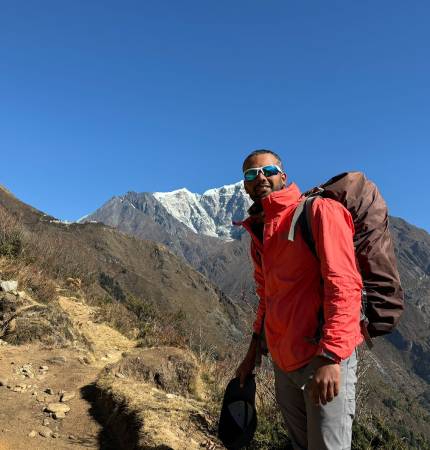
Yala Peak Climbing (5,732m / 18,806 ft) is one of Nepal’s most accessible and rewarding trekking peaks, located in the Langtang region, near the border with Tibet. This climb is perfect for adventurers looking to experience high-altitude mountaineering without technical climbing skills, making it an ideal peak for beginners and experienced trekkers alike. Unlike many of Nepal’s more challenging peaks, Yala Peak does not require extensive mountaineering experience, making it a popular choice for those looking to summit their first Himalayan peak while also enjoying the breathtaking scenery of the Langtang Valley.
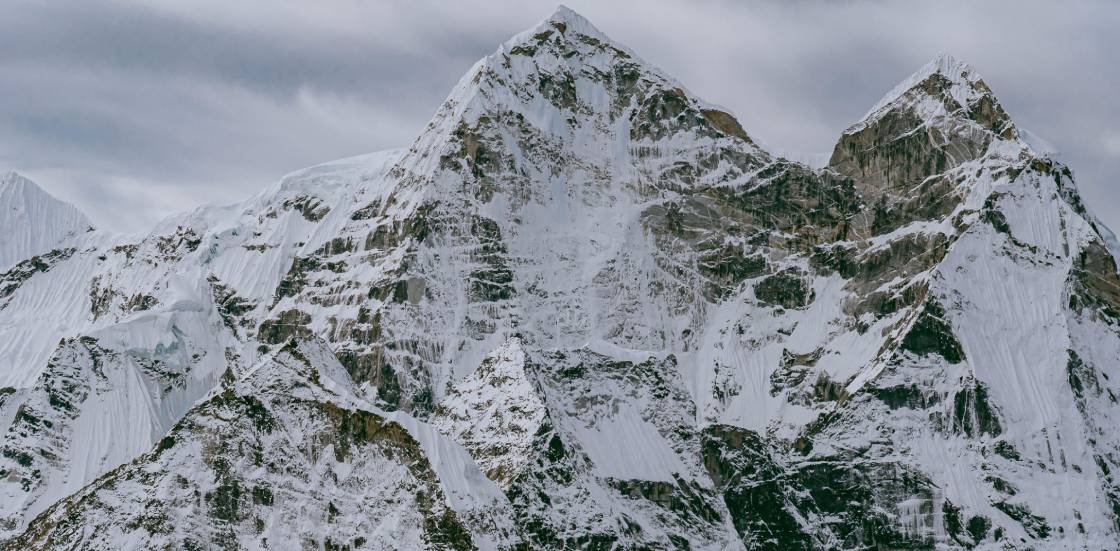
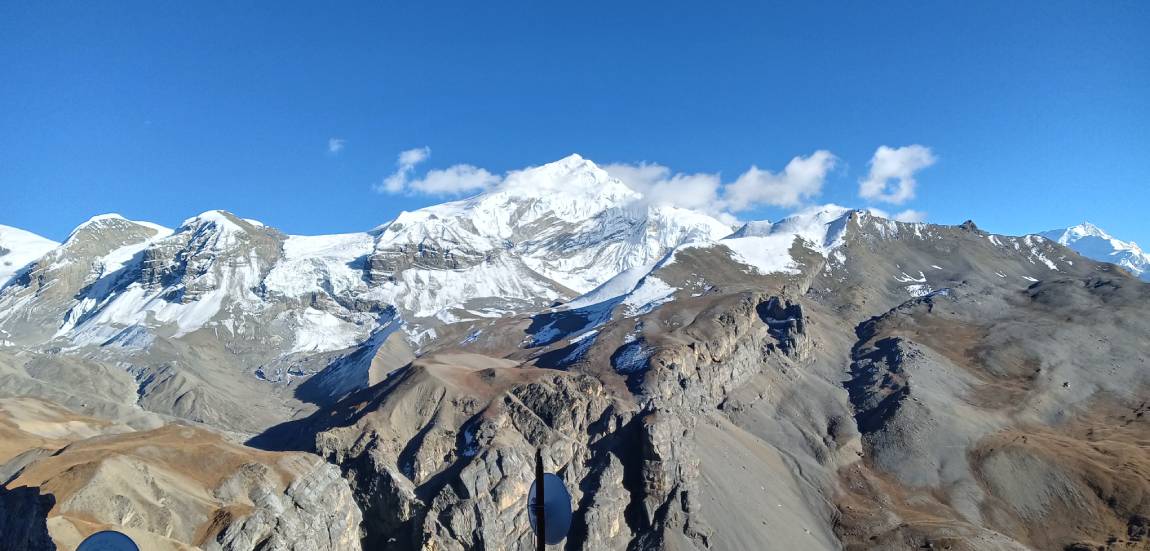
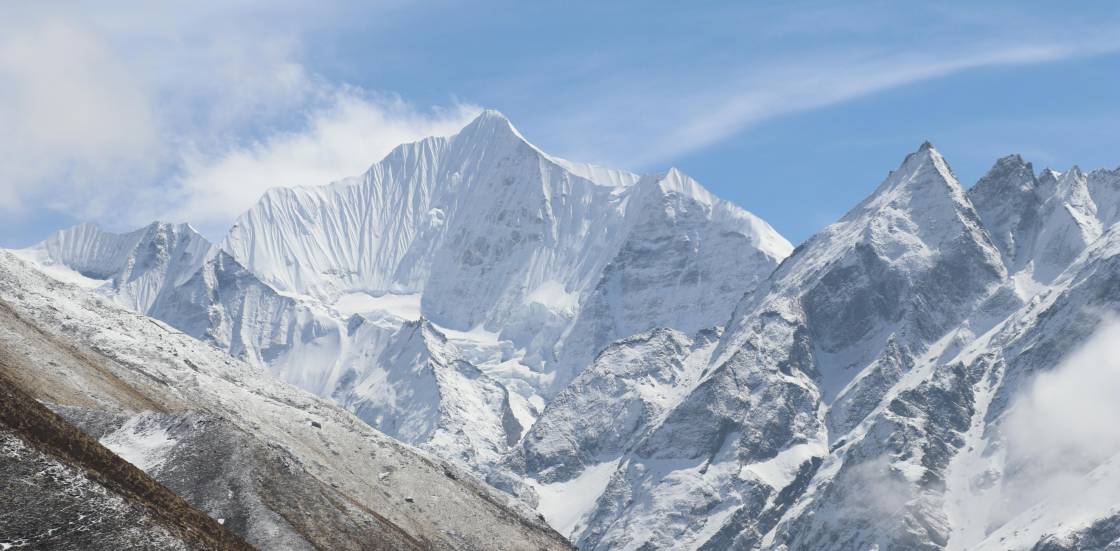
Situated in the Langtang National Park, Yala Peak offers spectacular panoramic views of some of the world’s highest mountains, including Langtang Lirung (7,227m), Dorje Lakpa (6,966m), Shishapangma (8,027m, the only 8,000m peak entirely in Tibet), Gangchempo, and Naya Kanga. The journey to the summit takes climbers through dense forests, high alpine meadows, traditional Tamang villages, and glacial moraines, providing a diverse and immersive trekking experience.
The adventure begins in Kathmandu, where climbers prepare for the expedition by checking their gear, obtaining permits, and meeting their guides and team members. From Kathmandu, a 7-8hours drive takes the team to Syabrubesi (1,550m), the gateway to the Langtang Valley trek. This scenic drive follows winding mountain roads, passing through rivers, terraced fields, and small settlements, offering a glimpse into rural Nepalese life.
From Syabrubesi, the trek officially begins with a gradual ascent through lush rhododendron and bamboo forests, home to wildlife such as red pandas, Himalayan black bears, and langurs. The trail follows the Langtang River, crossing suspension bridges and climbing steadily toward Lama Hotel (2,480m). The next stop is Langtang Village (3,430m), a traditional Tamang settlement that was heavily impacted by the 2015 earthquake but has since been rebuilt. Here, trekkers can experience local culture, Buddhist traditions, and warm hospitality before continuing further into the valley.
The trail then leads to Kyanjin Gompa (3,870m), the spiritual and cultural heart of the Langtang region. This monastery village is surrounded by glaciers and towering peaks, making it an ideal place for acclimatization. Trekkers usually spend a day here exploring nearby viewpoints such as Tserko Ri (5,000m), which provides a fantastic panoramic view of the entire Langtang range. During acclimatization, climbers also check their climbing gear, receive basic training from guides, and prepare for the summit push.
From Kyanjin Gompa, the journey continues toward Yala Peak Base Camp (4,600m), a remote and peaceful high-altitude campsite. The trek to base camp is relatively short but challenging due to the thin air and rocky terrain. Upon reaching the base camp, climbers set up their tents, rest, and make final preparations for the summit.
Summit day begins before dawn, typically around 2:00 AM, to take advantage of stable weather conditions. The climb from base camp to the summit involves a mix of rocky terrain and glacier walking, requiring the use of crampons, ice axes, and ropes. However, unlike more technical peaks, Yala Peak does not require advanced mountaineering skills, making it suitable for beginners with basic climbing knowledge.
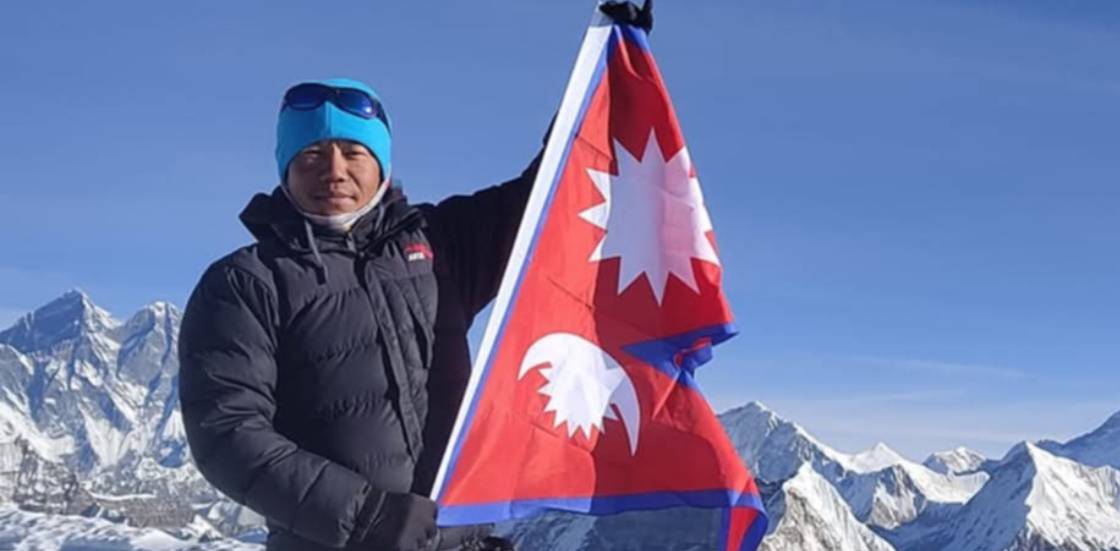
As climbers ascend, the sunrise paints the snow-covered peaks in shades of gold and pink, creating a breathtaking spectacle. The final push to the summit is steep and physically demanding, but reaching the top is an exhilarating and rewarding experience. From the summit of Yala Peak, climbers are greeted with unobstructed views of the Himalayas, including the massive face of Shishapangma (8,027m), Tibet’s highest peak, along with Langtang Lirung, Dorje Lakpa, and several other towering summits.
After celebrating at the top and taking in the stunning scenery, climbers carefully descend back to base camp and then Kyanjin Gompa, where they rest before beginning the return trek to Syabrubesi and eventually Kathmandu.
Challenges and Preparation for Yala Peak Climbing
While Yala Peak is considered a non-technical climbing peak, it still presents several challenges that climbers should prepare for:
High Altitude: Since the summit is at 5,732m, proper acclimatization is crucial to avoid altitude sickness. Spending extra days at Kyanjin Gompa and drinking plenty of fluids helps the body adjust.
Cold and Unpredictable Weather: The mountain weather can change rapidly, bringing strong winds and freezing temperatures, especially during the summit push. Layered clothing and proper gear are essential.
Physical Fitness: The trek and climb require good endurance, strength, and stamina. Prior preparation, including hiking, cardio workouts, and strength training, will improve overall performance.
Glacier and Snow Climbing: While Yala Peak does not require technical climbing experience, climbers must be familiar with crampons, harnesses, and ice axes. Basic training is usually provided by guides at base camp.
The best seasons to climb Yala Peak are Spring (March to May) and Autumn (September to November). During these months, the weather is stable, visibility is clear, and temperatures are moderate, making the climb safer and more enjoyable. Winter climbing (December to February) is possible but extremely cold, while monsoon season (June to August) is not recommended due to heavy rainfall and slippery trails.
Yala Peak Climbing is a once-in-a-lifetime adventure that combines the thrill of high-altitude mountaineering with the beauty of the Langtang Valley. Whether you are a first-time climber or an experienced trekker looking for a less technical Himalayan summit, Yala Peak provides an accessible, rewarding, and breathtaking experience. The journey through pristine forests, alpine meadows, glacial landscapes, and spiritual monasteries makes the expedition as fulfilling as the summit itself. With proper preparation, the right mindset, and an experienced guide, standing on the summit of Yala Peak will be an unforgettable achievement and a gateway to future mountaineering adventures in the Himalayas.
Itinerary
We begin the trip with your arrival at the Tribhuvan International Airport. To make things easier, we’ll send one of our staff to pick you up and drop you at the hotel. Overnight at the hotel.
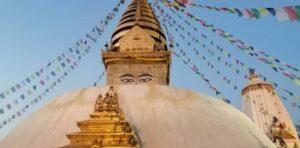
Kathmandu sightseeing and Yala Peak climbing permit preparation are typically included in the first couple of days of the itinerary. While in Kathmandu, climbers often visit UNESCO World Heritage Sites such as Swayambhunath (Monkey Temple), Boudhanath Stupa, Pashupatinath Temple, and the historic Durbar Squares, offering a rich cultural experience before the trek.
At the same time, permits are arranged through a trekking agency or guide service. For Yala Peak climbing, you need the Langtang National Park Entry Permit and the TIMS (Trekkers’ Information Management System) card. The sightseeing gives you time to acclimatize and relax, while your guides handle the necessary paperwork and logistics for the climb.
The drive from Kathmandu to Syabrubesi (1,462m) by local bus typically takes around 7 to 9 hours, depending on road and traffic conditions. Buses depart early in the morning from Machhapokhari Bus Park in Kathmandu and follow the scenic Pasang Lhamu Highway, passing through towns like Trishuli Bazaar and Dhunche before reaching Syabrubesi.
The journey offers beautiful views of hills and rivers but involves winding and sometimes bumpy mountain roads. Local buses are basic and often crowded, so it’s advisable to book tickets early and prepare for a rustic travel experience. For a faster and more comfortable option, shared jeeps are also available.
The trek from Syabrubesi (1,460m) to Lama Hotel (2,460m) is the first major trekking day on the way to Yala Peak and usually takes about 6 to 7 hours.
The trail begins with a gradual ascent along the Langtang Khola (river), crossing several suspension bridges and passing through dense forests of oak, rhododendron, and bamboo. You’ll likely spot monkeys and local wildlife along the way.
The path includes both gentle and steep climbs, with occasional stone stair sections and small villages or tea stops like Dovan and Pairo Thaplo. The day ends at Lama Hotel, a quiet settlement with several basic tea houses nestled in the forested gorge. The elevation gain is significant, so a steady pace is important to aid acclimatization.
The Langtang Valley Trek from Lama Hotel (2,500m) to Langtang Village (3,307m) takes about 6–7 hours and involves a steady ascent through beautiful alpine forests and open mountain landscapes. Along the way, you’ll pass through small villages and yak pastures, enjoying panoramic views of the Langtang Himal range.
The trail is well-marked but can be steep in sections. Langtang Village is a picturesque settlement known for its friendly locals and stunning backdrop of snow-capped peaks, making it an ideal spot to rest and acclimatize before continuing deeper into the region.
The trek from Langtang Village (3,450m) to Kyanjin Gompa (3,870m) is a moderate 2 to 3-hour hike that involves a steady uphill climb through beautiful alpine landscapes. Along the way, you’ll pass small yak pastures and traditional Tibetan-style houses.
Kyanjin Gompa is a charming village known for its Buddhist monastery, cheese factory, and stunning views of the surrounding peaks, making it a great spot to rest and explore before continuing toward Yala Base Camp.
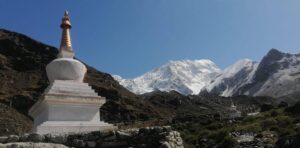
The acclimatization day at Kyanjin Gompa is typically spent hiking to Tsergo Ri, a nearby peak at around 4,984 meters. This day hike helps your body adjust to the higher altitude while offering breathtaking panoramic views of the Langtang range, including glaciers, rugged peaks, and deep valleys.
The trek is moderately challenging but rewarding, providing a chance to explore the stunning landscape and return to Kyanjin Gompa to rest and recover before continuing your climb.
The trek from Kyanjin Gompa (3,870m) to Yala Peak Base Camp (4,600m) is a challenging but scenic 4 to 5-hour hike. The trail climbs steadily through rocky terrain and alpine meadows, offering stunning views of surrounding glaciers and towering peaks.
Base Camp serves as the final stop before the summit attempt, where climbers rest, acclimatize, and prepare for the early morning climb to the peak.
The ascent from Yala Peak Base Camp (4,600m) to the summit (around 5,500m) is an early morning climb that typically takes 6 to 8 hours round trip.
The route involves glacier travel and some technical sections requiring crampons and ice axes, offering spectacular views from the top. After reaching the summit and enjoying the panoramic scenery, climbers carefully descend back to Base Camp before trekking down to Kyanjin Gompa (3,870m) for rest. It’s a long but incredibly rewarding day, combining physical challenge with breathtaking Himalayan vistas.
The Langtang Valley Trek back from Kyanjin Gompa (3,870m) to Lama Hotel (2,500m) takes about 7–8 hours and is a long descent through the beautiful Langtang Valley.
The trail passes through lush forests, charming villages, and scenic river crossings, offering plenty of opportunities to enjoy the natural surroundings one last time. Descending can be tough on the knees, so take your time and rest when needed. Lama Hotel provides a comfortable place to relax after this full day of trekking.
The trek from Lama Hotel (2,500m) back to Syabrubesi (1,462m) takes about 6–7 hours and mostly involves a gradual descent through beautiful forests and traditional villages. The trail follows mountain streams and crosses several suspension bridges, offering peaceful views of the Langtang region’s lush landscape.
As you descend, the vegetation becomes denser and the air warmer, making the walk more comfortable. Syabrubesi is a lively village that serves as the gateway to the Langtang trek, with various guesthouses and restaurants where you can rest and celebrate the completion of your journey.
The return journey from Syabrubesi to Kathmandu by deluxe bus offers a comfortable and scenic ride, typically taking 7–8 hours.
Deluxe buses depart from Machhapokhari Bus Park in Kathmandu, following the Pasang Lhamu Highway through Trishuli Bazaar and Dhunche. The route covers approximately 120 km, passing through picturesque landscapes and traditional villages.
After arriving back in Kathmandu, you will be transferred to Tribhuvan International Airport for your onward journey. The airport is located about 6 kilometers from the city center, and the transfer usually takes around 30 to 45 minutes by car, depending on traffic.
Your driver or guide will ensure a timely drop-off for your flight check-in and departure. It’s a convenient and comfortable way to conclude your trip, giving you time to reflect on your adventure before heading home or to your next destination.
Cost Include
- Arrival day Pickup from Kathmandu International Airport.
- Highlight Kathmandu city tour (guide and car with driver only)
- 3 nights’ accommodation in Kathmandu including breakfast at Tourist stander hotel.
- Public bus ticket to Syabrubensi (trip start point) from Kathmandu.
- All necessary permits for the Langtang region trek
- tea house accommodation during the trekking
- 1-night tent accommodation at the Yala Peak Base Camp
- Breakfast, Lunch, and Dinner during the trekking and climbing period.
- One professional trekking guide from Kathmandu to Kathmandu
- One climbing guide from Kyanjing Gompa to Kyanjing Gompa including climbing Guide equipment.
- Porter to carry your luggage during the trek (normally 1 porter between 2 persons)
- All necessary equipment for camping at the Yala Peak Base Camp
- Climbing Rope, Ice screws, Snow bars
- Personal climbing Gear per person such as Crampons, Harness, Ice Axe, Screw gate, Karabiners
- Insurance for Guide, and Porters
- Public bus ticket from Sybrubensi to Kathmandu
- Farewell dinner at Kathmandu before you departed from Nepal
- Related taxes and service charges
- An airport transfer service for your departure date and time
Cost Exclude
- Personal equipment for climbing
- Travel & medical insurance (personal)
- Emergency Rescue evacuation
- Monuments entrance fees during the city tour
- Lunch and Dinner during your Kathmandu stay (Except the special Dinner)
- Nepal multiple Visa.
- Extra bottled drinks (mineral, any cold drinks, and alcoholic drinks) not specified
- Personal shopping
- Tips for guide and porter
FAQs
Yala Peak climbing is considered a relatively easy and non-technical climb, making it ideal for beginner mountaineers. Located in the Langtang region of Nepal, it stands at 5,732 meters (18,806 feet) and typically requires only basic mountaineering skills.
However, climbers should still be prepared for high altitude, cold temperatures, and moderate physical exertion. Proper acclimatization and a good fitness level are essential.
The best time for Yala Peak climbing is during the spring (March to May) and autumn (late September to November) seasons.
These months offer the most stable weather conditions, clear skies, and excellent visibility of the surrounding Himalayan peaks. In spring, the trails come alive with blooming rhododendrons and mild temperatures, making the climb more scenic and comfortable.
Autumn, on the other hand, provides crisp, dry air and stunning mountain views after the monsoon rains have cleared the atmosphere. Both seasons have relatively low chances of snowfall or heavy rain, ensuring safer climbing conditions.
Climbing Yala Peak during the monsoon (June to August) or winter (December to February) is not recommended due to risks such as slippery trails, poor visibility, and extreme cold. Therefore, planning your ascent in either spring or autumn will give you the best chance for a successful and enjoyable climb.
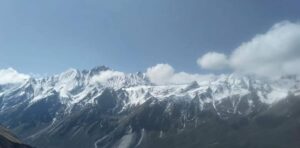
Yala Peak climbing typically takes around 10 to 14 days, depending on the chosen itinerary and acclimatization needs. The journey begins with a drive from Kathmandu to Syabrubesi, followed by several days of trekking through the Langtang Valley for acclimatization before reaching Yala Base Camp.
The summit climb itself is usually done in a single day from base camp, with an early morning start. The overall duration includes trekking, acclimatization, and return.
During the Yala Peak trek, accommodation is mostly in local tea houses that offer basic but comfortable lodging with shared rooms and common dining areas. These tea houses serve a variety of meals, including traditional Nepali dishes like dal bhat (lentil soup with rice), as well as noodles, soups, pancakes, and tea.
As you get closer to base camp, facilities become more basic, and during the actual climb, meals are usually prepared by the expedition crew, often consisting of high-energy foods suitable for high altitude. Overall, food is simple but sufficient to sustain energy for trekking and climbing.
For Yala Peak climbing and trekking, you should bring layered clothing suitable for both warm days and freezing nights. Essential items include a moisture-wicking base layer, an insulating mid-layer (like fleece or down), and a waterproof, windproof outer shell.
You’ll also need a warm down jacket, thermal underwear, trekking pants, gloves, a wool hat, and UV-protective sunglasses. For the summit day, crampons, a climbing harness, and insulated boots are necessary. Don’t forget quick-dry trekking shirts, a buff or scarf, and extra socks. Dressing in layers is key to adapting to changing mountain weather.
For Yala Peak climbing, it’s important to carry a basic personal medical kit along with altitude-related medications. Essential medicines include those for altitude sickness (such as Diamox), pain relievers (like ibuprofen or paracetamol), antibiotics for stomach or respiratory infections, anti-diarrheal tablets, rehydration salts, and medication for colds or coughs.
You should also bring blister care (like moleskin or band-aids), antiseptic cream, and any personal prescription medications. Consulting a doctor before the trip is recommended to ensure you’re prepared for high-altitude conditions.
Yes, travel insurance is essential for Yala Peak climbing. It should cover high-altitude trekking and climbing (up to at least 6,000 meters), as well as emergency evacuation by helicopter, medical expenses, trip cancellations, and lost or stolen belongings.
Since Yala Peak involves remote mountain terrain and altitude risks, having comprehensive insurance ensures safety and financial protection in case of accidents or health issues during the expedition.
Price Per Person
on request