Everest Base Camp with Gokyo Chola

Trek Duration
15 days

Best time to go
Mar, April, May, September, October, November

Group Size
2-20

Max Trekking Altitude
5545 M

Accommodation
Tea Houses

Trek Grade
strenuous

Area
Everest Region

Hours of Walking
5-10 hrs

Start point - End point
Kathamndu
Overview of Everest Base Camp with Gokyo Chola
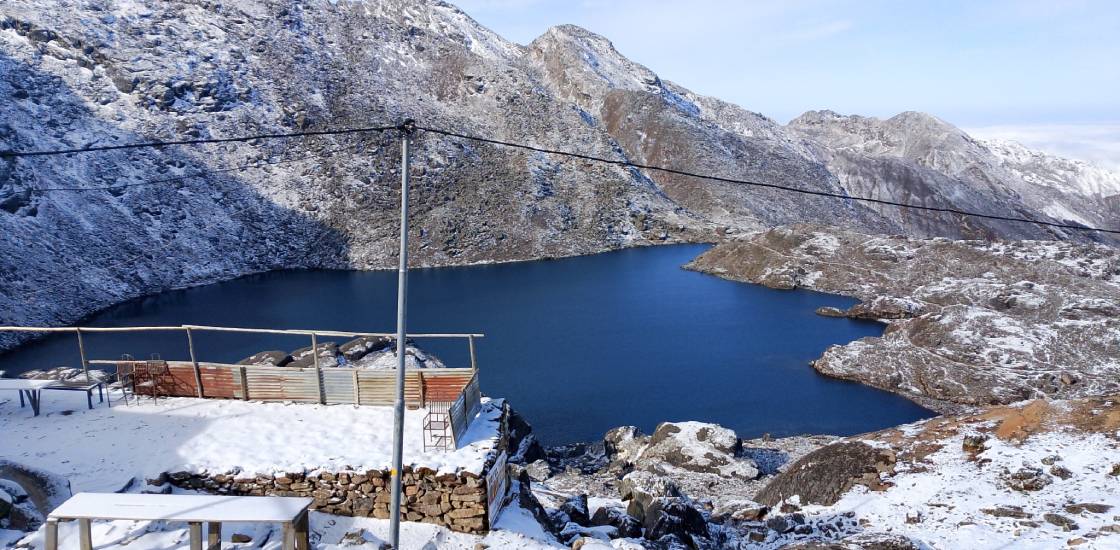
Everest Base Camp With Gokyo Chola is a strenuous and exhilarating trek that involves some of the most beautiful scenery in the Everest range. The trek is an extension of the classic trek to Everest Base Camp with an added twist by incorporating a route to Lake Gokyo, one of the most stunning high-altitude lakes of the Himalaya range.
The pièce de resistance of this Everest Base Camp with Gokyo Chola is the Chola Pass-the high-altitude mountain pass between the Everest and Gokyo valleys-with unperilled vistas of snow peaks, glaciers, and turquoise lakes. This longer journey is ideal for seasoned trekkers who desire a longer and more thrilling adventure as it not only takes you to the base of the world’s tallest peak but also allows you to witness the serene Gokyo lakes and rocky terrain of the Khumbu region.
Everest Base Camp with Gokyo Chola is a 15-day trek that offers an unparalleled and exciting experience, combining the grandeur of the Everest region with the serene beauty of Gokyo Lakes and the adventure spice of the Chola Pass crossing. It is a more difficult trek than the regular Everest Base Camp trek due to the high-altitude passes and technicality of the Chola Pass. The hike begins by flying in the morning to Lukla and then the standard trek to Namche Bazaar, Tengboche, and Everest Base Camp. www.hellonepaltreks.com
It then branches off into the Gokyo Valley. Climbing up to Gokyo Lakes is maybe one of the most breathtaking views, with open landscapes across towards Cho Oyu and Makalu, and hopefully to appreciate the view of the turquoise lakes. When you reach Gokyo, the Everest Base Camp with Gokyo Chola crosses the arduous Chola Pass, 5,420 meters (17,782 feet) high above sea level, and descends to the Everest Base Camp. The trek follows along isolated Sherpa villages, and you experience the rich cultural heritage of its inhabitants, like the famous Tengboche Monastery and the warm welcome of the Sherpas.
Along the way, you have the privilege of witnessing breathtaking views, including rhododendron forests, glacial lakes, and white peaks. Trekking is tiresome, requiring high fitness and levels of acclimatization to prevent altitude sickness but rewarded with some of the most spectacular sights on earth, so a challenging and memorable experience. The Everest Base Camp with Gokyo Chola is an adventure that imparts valuable lessons in perseverance, patience, and humility.
As the trekkers pass through physical challenges of climbing great heights, walking through difficult passes, and enduring extreme weather, they are instilled with patience and perseverance. The trek also enhances an awe for nature’s unrestrained beauty and power and for the resilience and simplicity of Sherpa life, which has learned to adapt itself in harmony with the mountains.
Apart from achieving success through reaching Everest Base Camp, the trip itself is a reminder that there is no such success in conquering the physical summits, but the process, the challenges conquered, and the sense of belonging that comes from the world around them. The trek is also an opportunity for self-improvement, self-knowledge, and a feeling of accomplishment far beyond the destination they are moving to.
The Everest Base Camp with Gokyo Chola is not so much about reaching the end point but experiencing the magnitude of nature, pushing your body to its limit, and immersing yourself in the culture of the Sherpa community. Each step you take is a lesson in itself on the mountains as well as yourself, and the trek thus becomes one such experience that lingers within you long after you are back.
Everest Base Camp with Gokyo Chola is an adventure that is life itself, with each step revealing a new view, a new challenge, and an unbreakable connection to the Himalayas. From the time your flight to Kathmandu arrives at the tiny Lukla airport, your journey begins, and so begins Nepal’s mountain beauty.
The trek leads you trekking along thick pine and rhododendron forests, beside colorful prayer flags fluttering in the breeze, and over suspension bridges that bounce above raging rivers. The trek begins slowly with easy days, as you trek through the Sherpa towns of Phakding and Namche Bazaar. Terrain here gets rough and thin air becomes thinner to condition you for the trials to come.
The view changes as you ascend to higher elevation
You pass through Tengboche, where the awe-inspiring view of Everest, Lhotse, and Ama Dablam slice high on the skyline. The splendor of snow-covered mountains all around is breathtaking, but the view point is when you come to the Gokyo Lakes. The vivid turquoise-colored waters of the lakes, ringed by enormous mountains, leave the trekkers speechless. The climb to the Gokyo Ri, which offers a panoramic view of Everest, Lhotse, Makalu, and Cho Oyu, is an unforgettable experience that rewards your effort with breathtaking vistas.
Everest Base Camp with Gokyo Chola is The real test of the trek begins with the crossing of the Chola Pass, a demanding and thrilling high-altitude pass at 5,420 meters (17,782 feet). The trek across the pass involves traversing rocky, icy, and snowy terrain and is typically done with the assistance of guides and porters in an attempt to have the journey become safer.
The wind nips and you are exhausted by the high altitude when going up towards the pass, but the view at the top is worth it. The majesty of the Himalayas spreads out before you, with Everest, Nuptse, and Makalu towering like stationary giants, their peaks reaching for the skies.
On the way down from the pass, you walk towards the Everest Base Camp, where there’s a euphoria of having finally arrived in this fabled destination. Having stood at the base of the world’s tallest mountain, you can’t but feel a sense of victory.
The final phase of the Everest Base Camp with Gokyo Chola offers a descent route back out of the valley, through monasteries and villages, where the Sherpa people greet you with their hospitality and generosity. Their simple but affluent way of life adds that little bit of additional spiritual dimension to the trek as they remind you of the ancient culture and traditions which have lasted for thousands of years in this remote nation.
Itinerary
Upon your arrival at Tribhuvan International Airport in Kathmandu, a representative from our team will be there to greet you just outside the arrival terminal. You’ll be warmly welcomed and assisted with your luggage before being transferred to your hotel in the city.
After check-in, you can relax and recover from your journey or take a short walk to explore the vibrant streets of Thamel, a popular tourist area filled with shops, cafes, and local culture. A short briefing about your upcoming trek will be arranged either on the same day or the next morning, depending on your arrival time.
Today, you’ll enjoy a guided Kathmandu Heritage Tour, exploring the city’s rich cultural and historical treasures.
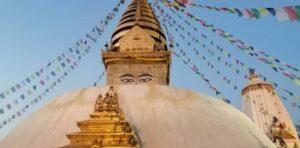
The tour includes visits to several UNESCO World Heritage Sites such as the Swayambhunath Stupa (Monkey Temple), the sacred Pashupatinath Temple, the massive Boudhanath Stupa, and the historic Kathmandu Durbar Square. Each site offers a deep insight into Nepal’s spiritual traditions, architecture, and daily life.
In the afternoon, you’ll return to your hotel for a detailed trek briefing by your guide. This is a great time to ask questions, check your gear, and make final preparations before heading into the mountains. If needed, you’ll have time to rent or purchase any last-minute trekking essentials in Thamel.
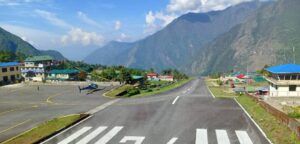
After a scenic and often thrilling flight from Kathmandu, you’ll land at Lukla Airport (2,880 meters) — one of the world’s highest and most dramatic airstrips. From there, the trek begins with a relatively gentle descent through alpine forests and traditional Sherpa villages.
The trail follows the Dudh Koshi River, crossing suspension bridges and passing through small settlements such as Chheplung and Ghat.
The trek to Phakding (2,610 meters) takes approximately 3 hours, making it a comfortable and gradual start to help with acclimatization. Phakding is a charming village with lodges and teahouses where trekkers usually spend their first night in the mountains.
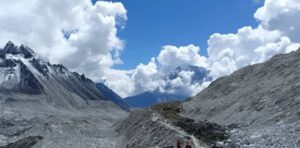
The trek from Phakding (2,610 meters) to Namche Bazaar (3,440 meters) is one of the most iconic and challenging sections of the Everest region journey, typically taking 6 to 7 hours.Leaving Phakding, the trail continues along the Dudh Koshi River, passing through beautiful pine forests and crossing several high suspension bridges, including the famous Hillary Bridge.
The path winds through villages like Monjo and Jorsalle, where trekkers enter the Sagarmatha National Park, a UNESCO World Heritage Site. From Jorsalle, the trail begins a long and steep ascent toward Namche Bazaar.
This uphill climb can be physically demanding, especially as altitude begins to take effect. However, the effort is rewarded with the first glimpses of Mount Everest on a clear day.
Namche Bazaar, nestled in a natural amphitheater, is the main trading hub of the Khumbu region and offers comfortable lodges, shops, and cafes, making it an ideal place to rest and acclimatize.
Today is an important acclimatization day in Namche Bazaar to help your body adjust to the increasing altitude. Rather than complete rest, you’ll take a short yet rewarding hike to the famous Hotel Everest View (3,880m), one of the highest-altitude hotels in the world. The trail offers breathtaking views of Mount Everest, Ama Dablam, Lhotse, and other majestic peaks.
The gradual climb takes about 3–4 hours and passes through the beautiful village of Khumjung, where you can also visit a local monastery that houses a legendaryyeti scalp.
After enjoying tea or lunch at the hotel’s scenic terrace, you’ll descend back to Namche for the night. This hike not only provides stunning Himalayan panoramas but also plays a key role in altitude adaptation for the days ahead.
The trek from Namche Bazaar (3,440 meters) to Deboche (3,820 meters) takes approximately 5 to 6 hours and offers a blend of cultural and natural highlights.
After leaving Namche, the trail gradually ascends along a scenic ridge with stunning views of Mount Everest, Lhotse, Ama Dablam, and other Himalayan giants.
The path passes through Kyangjuma and descends to the Dudh Koshi River, crossing it via a suspension bridge near Phunki Tenga, where trekkers often stop for a break. From there, a steep uphill climb leads to the famous Tengboche Monastery, one of the most significant spiritual centers in the Khumbu region.
After visiting the monastery and enjoying the panoramic mountain views, the trail descends slightly through a rhododendron forest to reach the quiet village of Deboche, a peaceful alternative to the busier Tengboche for overnight stays.
Today, you’ll trek from Deboche to Dingboche (4,410m), gradually gaining altitude as you move deeper into the heart of the Khumbu region. The trail descends slightly through forested areas before crossing the Imja Khola River via a suspension bridge.
You’ll pass through Pangboche, one of the oldest Sherpa villages in the area, with an optional stop at the ancient Pangboche Monastery. From here, the landscape begins to open up, with fewer trees and more expansive alpine views. The trail steadily climbs through yak pastures and stone-walled fields before reaching Dingboche, a scenic village nestled beneath towering peaks like Ama Dablam, Lhotse, and Island Peak.
The trek takes around 5 to 6 hours and is a key step in acclimatization. Dingboche is also known for its dramatic mountain backdrop and tranquil atmosphere, making it a perfect place to rest and adjust to the higher elevation.
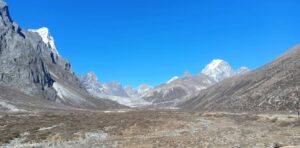
An exploration day in Dingboche (4,410 meters) is an important part of the Everest Base Camp trek, allowing trekkers to acclimatize to the high altitude while enjoying the breathtaking surroundings.
Instead of gaining significant elevation, trekkers typically use this day to take a short hike, such as the climb to Nangkartshang Hill (around 5,100 meters), which offers stunning panoramic views of towering peaks like Makalu, Lhotse, Ama Dablam, and Island Peak. The hike helps the body adapt to the thinner air and builds stamina for the higher sections of the trek.
After returning to Dingboche, the rest of the day can be spent resting, hydrating, and exploring the quiet village, which is surrounded by stone-walled fields and dramatic mountain landscapes. This acclimatization day plays a vital role in ensuring a safer and more successful journey toward Everest Base Camp.
The trek from Dingboche (4,410 meters) to Lobuche (4,910 meters) takes around 4 to 5 hours and involves a steady gain in altitude as you move deeper into the high Himalayas. The trail begins with a gentle ascent through a wide glacial valley, offering expansive views of peaks like Ama Dablam, Cholatse, and Taboche.
After a gradual climb, the route reaches Dughla (Thukla), where many trekkers stop for a rest before tackling the steep and challenging climb to the Thukla Pass. At the top, you’ll find a series of memorials honoring climbers who have lost their lives on Everest.
From here, the trail continues more gently, following the edge of the Khumbu Glacier and weaving through rugged alpine terrain until you reach the small settlement of Lobuche. Surrounded by snow-capped peaks, Lobuche offers basic teahouses and marks the final overnight stop before heading to Gorakshep and Everest Base Camp.
The trek from Lobuche (4,910 meters) to Gorakshep (5,164 meters), followed by a hike to Everest Base Camp (5,364 meters) and back, is one of the most rewarding and demanding days of the journey, taking approximately 8 to 9 hours in total.
Leaving Lobuche, the trail gradually ascends along the lateral moraine of the Khumbu Glacier, with stunning views of icy ridges and towering peaks. After about 3 hours of trekking through rocky and glacial terrain, you reach Gorakshep, the highest settlement on the trek and the final lodging point before Base Camp.
After a short break and a light meal, the journey continues toward Everest Base Camp (5,364 meters). The trail winds through rugged, icy paths and glacial debris, offering breathtaking views of Khumbu Icefall, Pumori, and the surrounding mountains.
Reaching Base Camp is a truly emotional and exhilarating experience, as you stand at the foot of the world’s highest mountain. Since there’s no lodging at Base Camp, trekkers return to Gorakshep for the night, completing a challenging but unforgettable day in the heart of the Himalayas.
The day begins with an early morning hike up to Kalapathhar (5,545 meters), the highest point of the trek, offering breathtaking sunrise views of Mount Everest, Nuptse, and surrounding peaks.
After taking in the panoramic scenery, the trail descends back to Gorakshep for breakfast before continuing on a quieter route toward Dzongla (4,800 meters). The trek to Dzongla takes about 6 to 7 hours in total, passing through rocky terrain and glacial valleys with stunning views along the way.
The trek from Dzongla (4,800 meters) to Dragnag (4,700 meters) via the challenging Cho-La Pass (5,420 meters) takes around 8 to 9 hours and is one of the most demanding days of the trek.
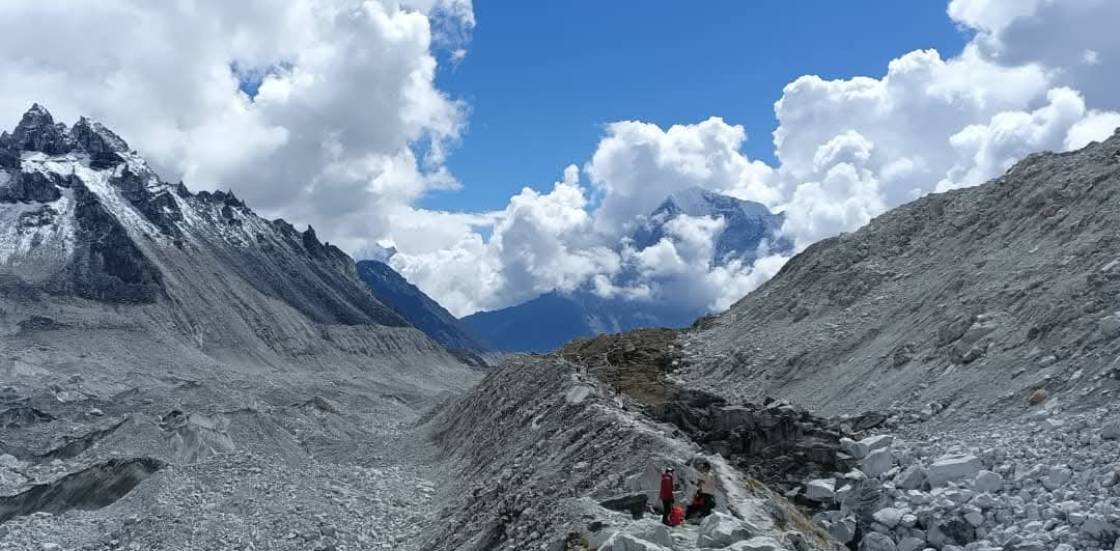
The day starts early with a steep ascent over rocky terrain and glacial ice to reach the top of the pass, where you’re rewarded with dramatic views of Ama Dablam, Cholatse, and surrounding peaks.
The descent from the pass is steep and can be slippery, especially if there’s snow or ice. The trail then winds through glacial moraines and rugged landscapes before arriving at the small settlement of Dragnag, where trekkers rest after this physically intense and rewarding day.
The trek from Dragnag (4,700 meters) to Gokyo (4,790 meters) takes about 3 to 4 hours and offers a more relaxed day compared to the challenging Cho-La Pass crossing.
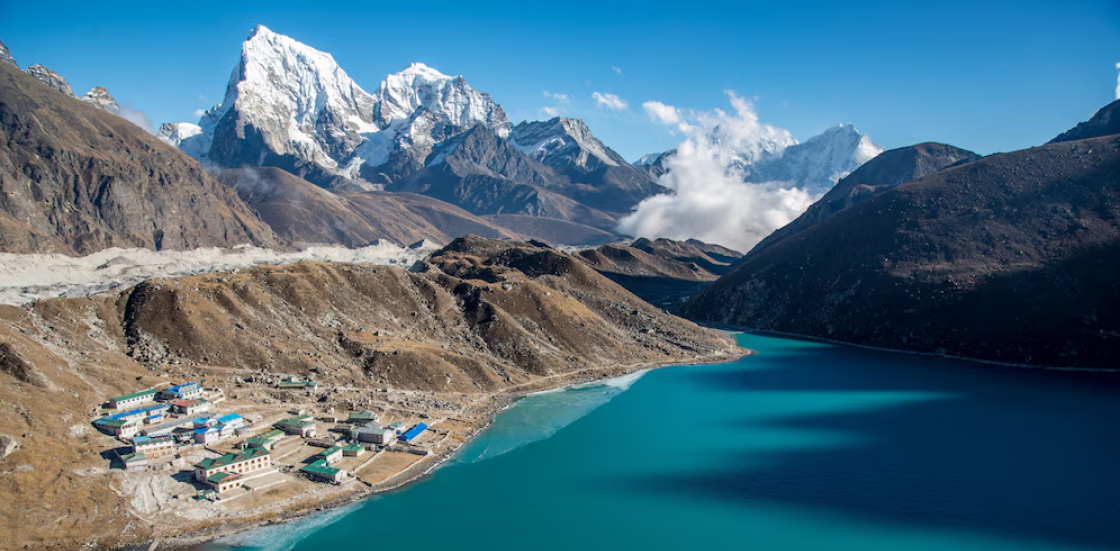
The trail gently ascends through alpine meadows and alongside pristine glacial lakes, providing stunning views of the surrounding peaks like Cho Oyu and the turquoise waters of the Gokyo Lakes.
Gokyo is a peaceful village famous for its beautiful lake system and panoramic mountain vistas, making it a perfect spot to rest and explore before continuing your trek.
The trek from Gokyo (4,790 meters) to Dole (4,200 meters) typically takes about 5 to 6 hours and involves descending from the higher altitude of Gokyo through beautiful valleys dotted with traditional Sherpa villages.
The trail winds down gently at first, passing through rhododendron forests and terraced fields, before reaching Dole, a quiet village nestled amidst stunning Himalayan scenery.
This descent helps with acclimatization while offering peaceful surroundings and spectacular views of nearby peaks, making Dole a great place to rest before continuing the trek.
The trek from Dole (4,200 meters) back down to Namche Bazaar (3,440 meters) typically takes around 5 to 6 hours and involves a steady descent through lush forests and traditional Sherpa villages.
As you descend, the air becomes warmer and the landscape greener, offering a refreshing change from the higher alpine terrain.
The trail passes through small settlements like Phakding and follows the Dudh Koshi River, crossing several suspension bridges along the way. Arriving back in Namche Bazaar, trekkers can enjoy the bustling market town’s shops, cafes, and vibrant Sherpa culture, making it a comfortable place to rest after the day’s journey.
Today you’ll trek from Namche Bazaar back down to Lukla (2,800m), retracing the trail through forests, rivers, and traditional Sherpa villages. The descent is generally easier on the knees but still requires careful footing on uneven paths and suspension bridges.
Along the way, enjoy the beautiful views of the surrounding peaks and the lively local culture. The trek usually takes around 8 to 9 hours, ending with your arrival in Lukla, where you can relax and prepare for your flight back to Kathmandu the next day.
After an early breakfast, you’ll take a scenic flight from Lukla (2,800m) back to Kathmandu (1,300m).
The flight offers breathtaking aerial views of the Himalayan peaks and the valleys below, providing a memorable end to your trekking adventure. Once you arrive in Kathmandu, you’ll be transferred to your hotel where you can relax, freshen up, and celebrate the completion of your incredible journey in the Everest region.
Today marks the end of your unforgettable journey. After breakfast, you will check out from your hotel and be transferred to Tribhuvan International Airport for your onward flight to your next destination.
We hope you take with you wonderful memories of the Himalayas, the vibrant culture, and the incredible experiences you’ve had along the way. Safe travels and we look forward to welcoming you again in the future.
Cost Include
- Airport pick up & drop by a private vehicle
- 3 nights hotel accommodation in Kathmandu with breakfast
- City guided tour by private vehicle
- Meal on full board (Breakfast+ lunch + Dinner/tea, coffee)
- Fresh fruits every night (during the trek) after dinner
- Accommodation (lodge) during the trek
- A local government licensed English speaking trekking guide
- Necessary number of porters for carrying luggage during the trek
- Food, accommodation, salary, insurance, equipment, medicine for our trekking crew
- welcome or Farewell dinner at Kathmandu
- Sagarmatha National Park permit
- Trekking equipment (sleeping bag, down jacket & trekking pole) if require
- Flight fare Kathmandu – Lukla – Kathmandu including domestic airport tax
- Surface transfer to/ from Kathmandu- hotel before and after the trek
- All our government taxes and service charge
Cost Exclude
- Guest’s international flight & airport departure tax
- Nepal entry visa
- Lunch and dinner (except welcome or farewell dinner) in Kathmandu
- Guest’s travel & medical insurance.
- Guest’s personal expenses such as alcoholic drinks, cold drinks, laundry, etc.
- Guest’s personal trekking Equipment.
- Tips for trekking staff
- Any other expenses which are not mentioned in our Price Includes section
FAQs
The Everest Base Camp with Gokyo Lake trek is a popular and scenic route that combines the classic trek to Everest Base Camp (EBC) with a detour to the beautiful Gokyo Lakes, located in the Gokyo Valley.
This trek offers trekkers stunning views of Mount Everest, Lhotse, Makalu, and Cho Oyu, along with the crystal-clear Gokyo Lakes and the towering peaks surrounding them. The itinerary usually takes around 14 to 18 days, allowing trekkers to explore the Everest region, visit key landmarks like Tengboche Monastery, and enjoy panoramic views from Gokyo Ri, a viewpoint above the lakes.
The trek is slightly more challenging than the EBC trek alone due to the added distance and higher altitudes, but it provides a unique and less crowded experience in the Everest region.
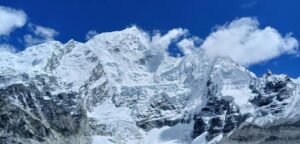
The Everest Base Camp with Gokyo Lake trek is moderately difficult, requiring good physical fitness and stamina. The trek involves longer days, higher altitudes, and more challenging terrain compared to the standard Everest Base Camp trek.
The highest point on the trek is Gokyo Ri at 5,357 meters, which increases the risk of altitude sickness. The trek also includes some steep ascents and descents, particularly in the Gokyo Valley.
While it’s more demanding than the classic EBC trek, it’s achievable for trekkers with previous trekking experience or those in good shape, especially with proper acclimatization and preparation.
The Everest Base Camp with Gokyo Lake trek typically takes around 14 to 18 days, depending on the specific itinerary and pace. This includes time for acclimatization, rest days, and exploration of key landmarks like Tengboche, Gokyo Lakes, and Gokyo Ri.
The trek is longer than the standard Everest Base Camp trek due to the additional detour to Gokyo, which adds to both the distance and elevation. Proper acclimatization days are essential to minimize the risk of altitude sickness.
The Everest Base Camp with Gokyo Lake trek offers some of the most breathtaking highlights in the Himalayas. You’ll experience stunning views of Mount Everest, Lhotse, Makalu, and Cho Oyu, especially from vantage points like Gokyo Ri and Kala Patthar.
The trek takes you to the beautiful Gokyo Lakes, a series of shimmering glacial lakes nestled in the mountains, and the summit of Gokyo Ri provides panoramic views of the surrounding peaks.
You’ll also visit the famous Tengboche Monastery and pass through traditional Sherpa villages like Namche Bazaar and Dingboche, offering a rich cultural experience. Reaching Everest Base Camp itself is the ultimate highlight, standing at the foot of the world’s highest mountain while enjoying the serene and less-crowded paths of the Gokyo Valley.
The best time to do the Everest Base Camp with Gokyo Lake trek is during the spring (March to May) and autumn (September to November). These seasons offer the most stable weather, clear skies, and optimal visibility for mountain views.
Spring brings warmer temperatures and blooming rhododendrons, while autumn offers crisp air and fewer chances of rain, providing ideal trekking conditions. Winter and summer (monsoon) are less favorable due to extreme cold or heavy rainfall, which can make the trail more challenging and affect visibility.
Yes, crossing the Cho La Pass is considered difficult and challenging, especially for trekkers who are not accustomed to high-altitude trekking. Located at 5,420 meters (17,782 feet), the pass is a major highlight on the Everest Base Camp with Gokyo Lake trek.
The difficulty stems from the steep ascent, slippery and rocky terrain, and the potential for extreme weather conditions, especially in winter and early spring. The pass can be treacherous, with ice and snow, which can make the trail slippery.
Proper acclimatization, fitness, and careful planning are essential for safely crossing Cho La Pass. It’s also advisable to be prepared for long trekking days and to take extra care when navigating the pass, especially during colder months.
Yes, you will need two main permits for the Everest Base Camp with Gokyo Lake trek. First, you’ll need the Sagarmatha National Park Permit, which grants access to the national park where Everest Base Camp and Gokyo Lake are located. This permit costs about NPR 3,000 (around USD 23) for foreigners.
Second, you’ll need the Khumbu Pasang Lhamu Rural Municipality Permit, which is required for trekking in the Khumbu region, and costs about NPR 3,000 (around USD 23).
These permits can usually be arranged through a trekking agency, or you can obtain them in Kathmandu or at entry points like Lukla or Monjo. Be sure to carry both permits throughout the trek, as they’ll be checked at various checkpoints along the way.
Yes, Wi-Fi and charging facilities are available during the Everest Base Camp with Gokyo Lake trek, but there are some important considerations. In lower-altitude areas like Namche Bazaar and Lukla, you’ll find good Wi-Fi and charging services, though they are often paid, with fees ranging from NPR 200 to 500 (about USD 2–5).
As you ascend to higher elevations, especially past Tengboche and beyond, Wi-Fi becomes slower and more expensive, and charging services can be unreliable, sometimes powered by solar panels or generators.
Expect to pay NPR 500 to 1,000 (USD 5–10) per device for charging at higher altitudes. It’s recommended to bring a power bank to ensure you have enough charge, especially for longer stretches without charging opportunities.
Yes, travel insurance is highly recommended—and often required—for the Everest Base Camp with Gokyo Lake trek. This trek takes you to high altitudes, which increases the risk of altitude sickness, injury, or other medical emergencies.
Comprehensive travel insurance should cover medical evacuation, emergency medical treatment, and trip cancellations, along with coverage for lost or delayed luggage. Many trekking companies require proof of insurance before allowing you to join the trek.
Make sure the policy also includes coverage for activities like trekking at high altitudes and the possibility of evacuation by helicopter if necessary.
For the Everest Base Camp with Gokyo Lake trek, you’ll need gear suited for high-altitude, cold-weather trekking. Essential clothing includes moisture-wicking base layers, an insulating fleece or down jacket, and a waterproof outer shell.
You’ll also need sturdy, well-broken-in trekking boots, warm gloves, thermal socks, a hat, and a buff or scarf for wind protection. A good quality sleeping bag rated to -10°C or lower is important, along with a backpack for daily use and a duffel bag if you’re using a porter.
Other key items include trekking poles, a headlamp, a power bank, water purification tablets, a first aid kit with altitude medication, sunscreen, and personal hygiene items. Packing light while being prepared for changing weather and rugged terrain is essential for a safe and comfortable trek.
Price Per Person
$1982